

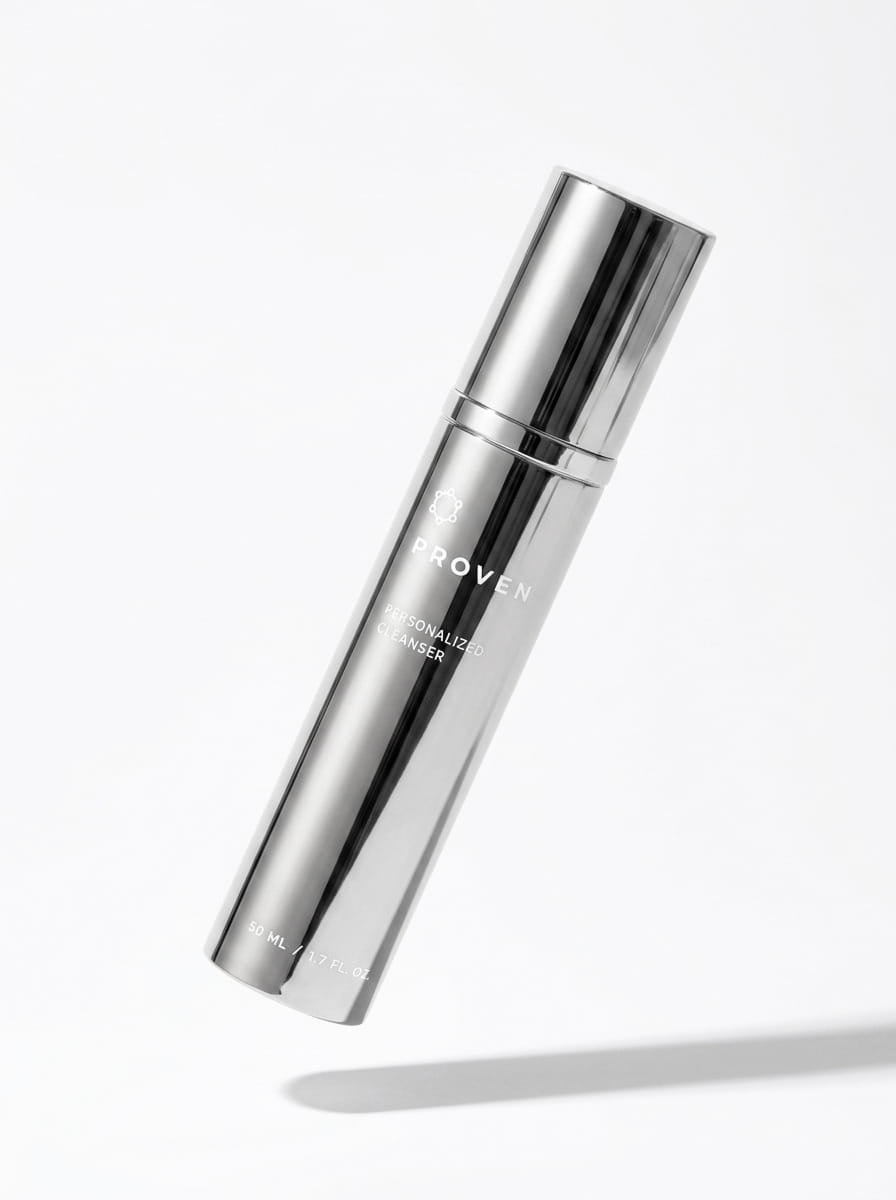
Personalized Cleanser
A gentle wash with exfoliating and toning properties — calibrated to your skin.
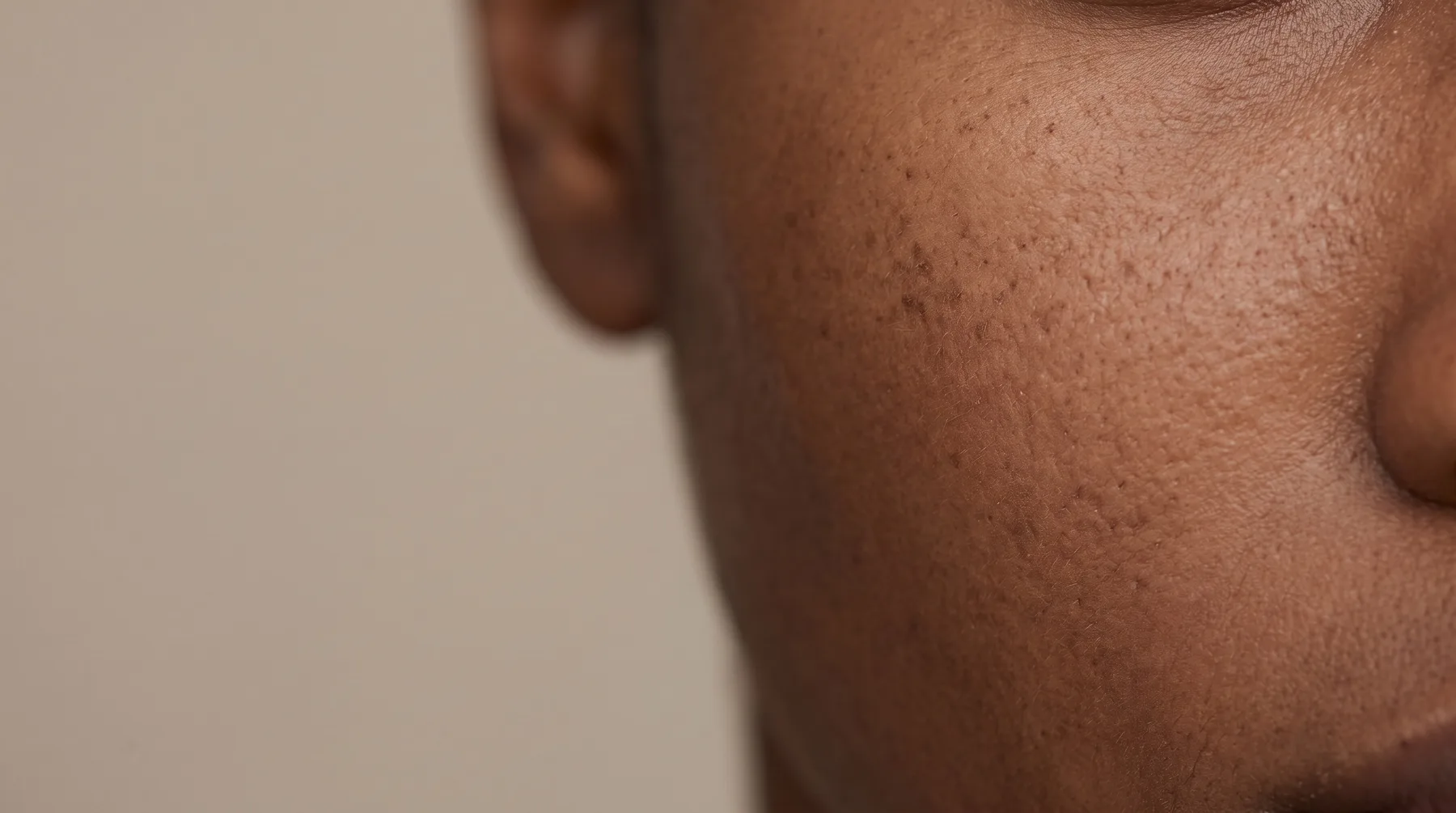
Uneven skin tone? Science may have a solution. Read on to learn all about how to get rid of hyperpigmentation.
Most people will see the dark circles under someone’s eyes, also known as periorbital hyperpigmentation, and think that person is really tired and needs some more sleep. While this can be one possible cause, there are actually many reasons that dark circles can appear under your eyes, including allergies and the natural aging process. These dark circles may appear to look purple, blue, dark brown, or black, depending on skin color.
Although they are rarely a cause for concern, many people wish to reduce their appearance for cosmetic reasons. In some cases, these dark circles found under the eyes can indicate a need for a lifestyle change, such as improved sleep habits and a healthier diet.
Periorbital hyperpigmentation is scientifically known by many names, including periocular hyperpigmentation, periorbital melanosis, infraorbital darkening, infraorbital discoloration, and idiopathic cutaneous hyperchromia.
The most commonly used description, and easiest way to think about it, is that it refers to the dark circles sometimes found under a person’s eyes. This is a very common condition that is encountered in dermatology and while it’s not indicative of a serious illness, it can influence emotional well being and quality of life. This isn’t much data regarding the incidence and prevalence of these dark circles, but there have been a few studies done.
One such study based in India, found that periorbital hyperpigmentation was most prevalent in the age group of 16 to 25 years old (47.5%), more prevalent in women (81%) than men, and the majority affected were housewives (45.5%).
The dark circles that can be found under the lower eyelids are fairly common in men and women. Often accompanied by bags, these dark circles can make a person appear older than they really are. To make matters worse, they can often be pretty difficult to get rid of as well. Although anyone can be affected, periorbital hyperpigmentation is most common in people who:
Here are some common causes:
Fatigue is often the most commonly blamed and logical explanation for the condition, but there are a number of factors that can contribute to these dark circles. In most cases, they are not a cause for concern and will not require medical attention. The area under the eyes can appear darker due to constricted blood vessels or from the thinning of skin around the eyes.
Oversleeping, extreme fatigue, or simply staying up for a few hours past your regular bedtime can all cause dark circles to form under your eyes. Sleep deprivation can result in your skin becoming dull and pale, which allows for dark tissues and blood vessels beneath your skin to start to show.
A lack of sleep may also result in fluid to build up underneath your eyes, making them appear puffy. As a result, the dark circles that you are seeing may actually just be shadows cast by your puffy eyelids instead.
Natural aging is another common cause for dark circles to form underneath your eyes. As you get older, your skin will naturally become thinner. You will also lose the fat and collagen that’s required to maintain your skin’s elasticity and ability to rebound. As this occurs over time, the dark blood vessels located beneath your skin will start to become more visible causing the area below your eyes to darken.
Staring at your television, phone, or computer screen for long periods of time can create a significant strain on your eyes. This straining can cause the blood vessels around your eyes to enlarge. As a result, the skin surrounding your eyes will appear to darken.
Having an allergic reaction and eye dryness can both trigger dark circles. In the event of an allergic reaction, your body will release histamines as a response to the harmful bacteria. Other than causing uncomfortable symptoms such as itchiness, redness, and puffy eyes, these histamines will also cause your blood vessels to dilate and become more visible underneath your skin. Allergies will also increase your urge to rub and scratch the itchy skin located around your eyes. Doing this will worsen your symptoms, and may result in inflammation, swelling, and broken blood vessels. Each of these will contribute to darkening the skin beneath your eyes.
When your body is not receiving the proper amount of water, the skin beneath your eyes will begin to look dull and your eyes will start to look sunken. This is due, in part, to their close proximity to the cheekbones and their place in your eye sockets.
Overexposing your skin to the harsh effects of the sun can cause your body to produce an excess of melanin, the pigment that provides your skin with color, in order to protect itself. Too much sun, particularly for your eyes, can cause the pigmentation of the skin surrounding them to darken.
Family history is also an important factor in developing dark circles under your eyes. It can be an inherited trait that is seen as early as childhood, and may worsen with age, or even possibly disappear altogether. Predispositions to other medical conditions, such as thyroid disease, may also contribute to dark circles forming beneath your eyes.
Some of the other common causes for dark circles under the eyes include:
Home remedies can help lessen the intensity of this type of hyperpigmentation.
While this one may seem obvious, it’s important to make sure that you are getting enough quality sleep each night. Raising your head up on extra pillows may also help to reduce both the dark circles around your eyes and swelling.
Applying cucumber slices to your eyes may help to soothe them and reduce swelling. The high water and vitamin C content of a cucumber may help to both nourish and moisturize the skin. Cucumbers also contain silica, which is essential for healthy tissue.
Applying a cold compress to your eyes can help to constrict blood vessels and reduce the appearance of dark circles. Simply wrap a few ice cubes in a clean washcloth and apply it to your eyes. You could also dampen a washcloth with cold water and apply it to the skin under your eyes for around 20 minutes and achieve the same effect.
Tea bags contain caffeine, which can stimulate blood circulation around your eyes. Soak two black or green tea bags in hot water for about five minutes. Let them chill in the refrigerator for around 15 to 20 minutes. Once they are cold, apply them to your closed eyes for 10 to 20 minutes. After you remove them be sure to rinse your eyes with cool water. The coolness of the bags may also help constrict blood vessels for a brighter appearance.
Having poor circulation around the eyes can cause the appearance of dark circles. Gentle massages around the eye area with a facial can help to improve the circulation there and reduce the appearance of these dark circles.
While makeup and cosmetics will not cure dark circles, they can help to camouflage them a bit better. Concealers can cover the dark marks so that they blend in with your normal skin color. However, make sure that you are using proper care. Some products can cause your symptoms to worsen or could possibly trigger an allergic reaction, so be aware of what ingredients you have in your makeup.
Periorbital hyperpigmentation is the scientific name for the darkening of the skin underneath your eyes. While natural aging and genetics are primary contributors, there are other factors that could be causing them as well. Avoiding these factors, and preventing these circles from forming, is the best treatment possible.
While dark circles forming under your eyes may be frustrating and impact your self esteem a little, they are luckily not the sign of a serious medical condition. Furthermore, there are plenty of effective treatments available to help get rid of them. Changing your lifestyle a little bit, using some of the home remedy techniques, and remembering to maintain a good daily skincare routine that uses PROVEN ingredients, will all help to tackle dark circles under your eyes.
Created with a personalized, evidence-based approach, PROVEN Skincare tailors our products just for you and your unique skin. We provide you with a personalized formula, thanks to our easy three-minute Skin Genome Quiz that gives us just the info we need to be able to tackle your specific skin concerns.
This formula helps find the best combination to create the perfect cleanser, moisturizer, and night cream for you based on heritage, lifestyle, environment, and skincare history. Backed by millions of customer reviews, thousands of ingredient assessments, and scientific paper analyses, PROVEN has developed a personalized product perfectly designed for your skincare needs.
Concerns, lifestyle, climate, and sleep — all covered in your formula.
Updates with your skin, life, and seasons. Every reorder.
Independent clinical study — brighter, more radiant skin.
By Stanford scientists. 28M data points behind every formula.
100K+ personalized formulas served. 30-day money-back guarantee.
A cleanser, day moisturizer, and night cream — calibrated to your skin from the 3-step Skin Genome Quiz.
A gentle wash with exfoliating and toning properties — calibrated to your skin.
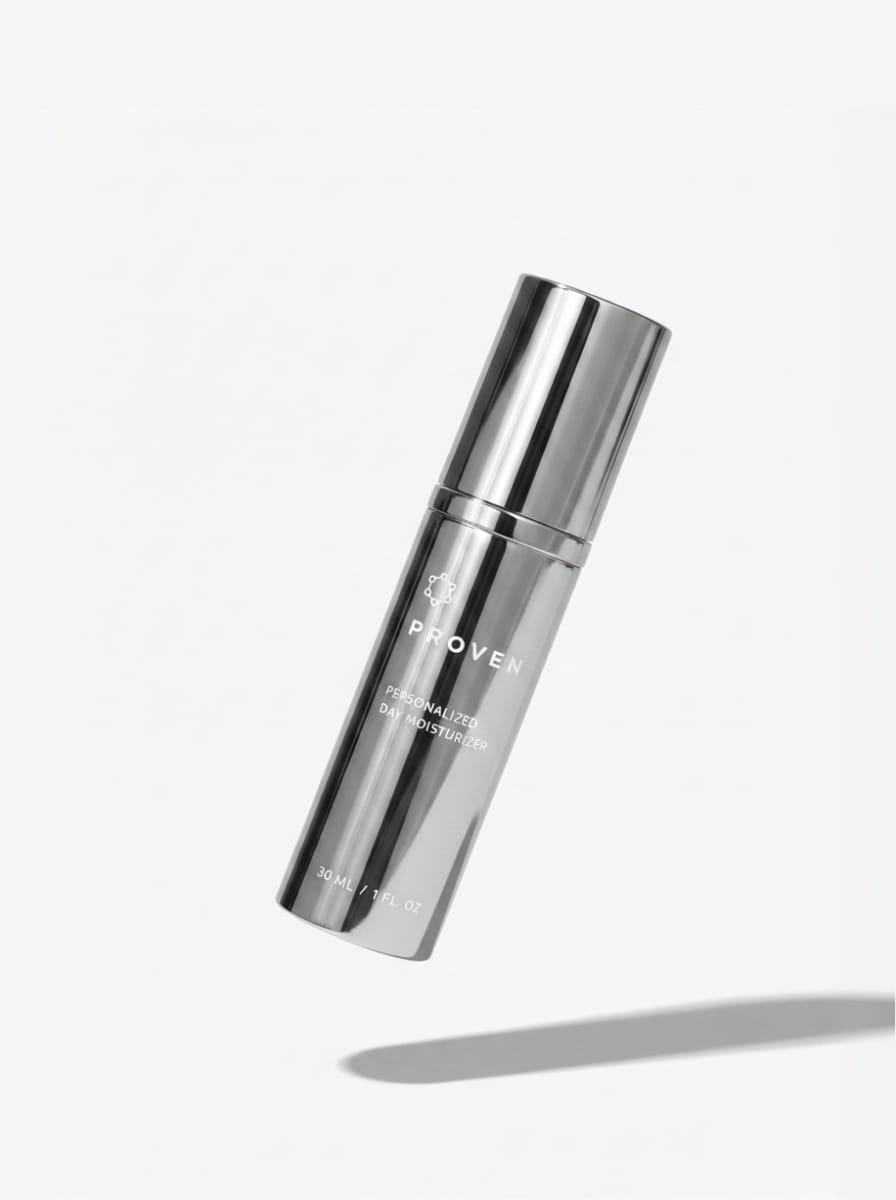
Lightweight daytime hydration — formulated for your skin.
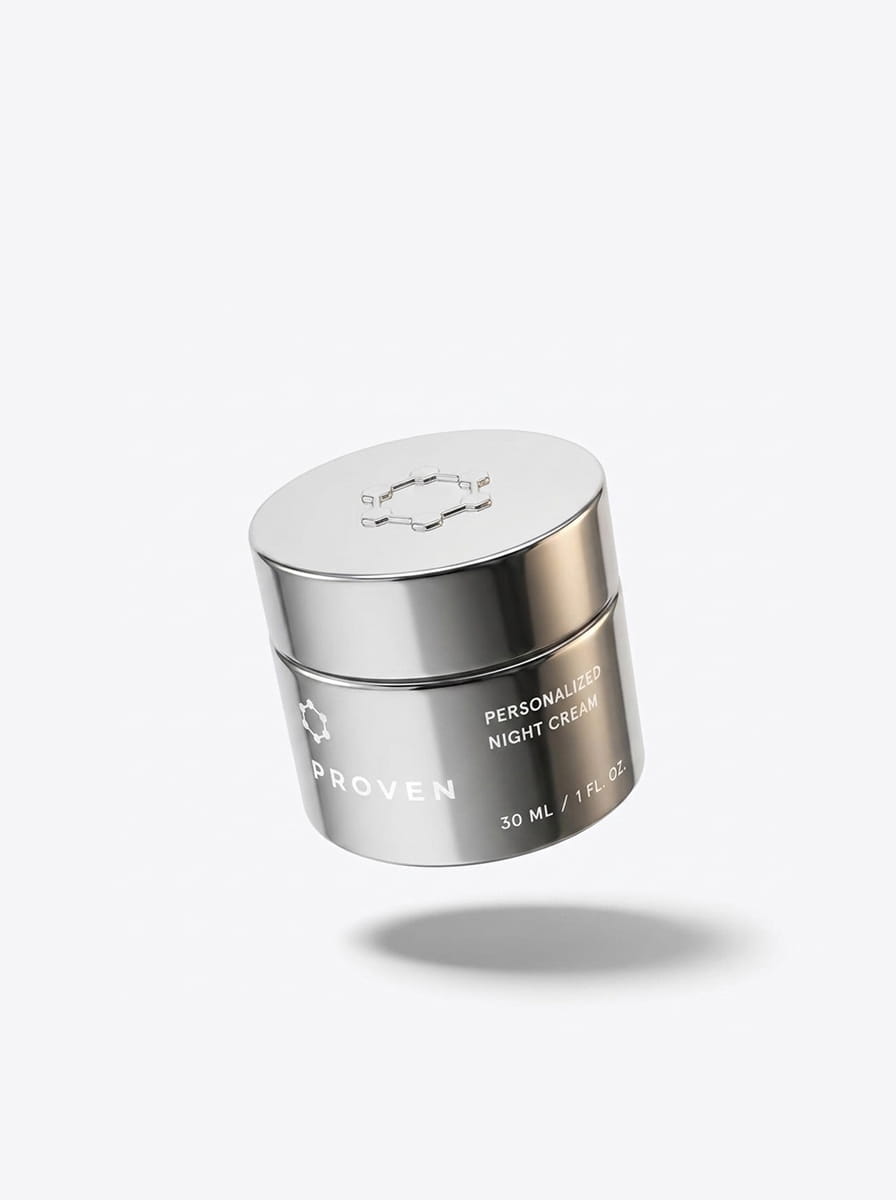
Overnight repair with the active ingredients your skin needs most.
Your formula handles the tone around your eyes with care. A few daily habits protect this fragile area while it works, and the routine begins with the quiz.
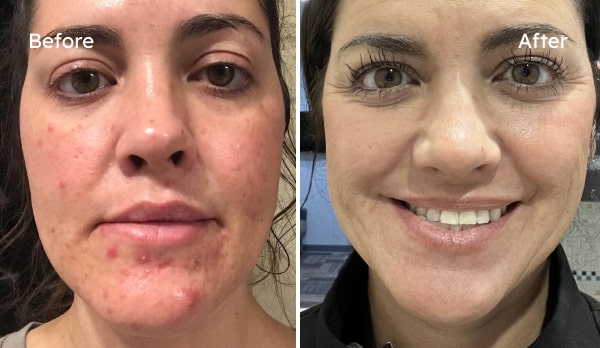
“It’s so clear and I can go without makeup and it looks amazing. I used to be so ashamed to walk around with no makeup, had terrible acne! This has been a game changer for me!”
Persistent inflammatory acne + barrier disruption = gentle sebum balance + barrier rebuild system.