

Keeps your skin healthy even if you spend a lot of time in the sun. The sun's heat dries out areas of unprotected skin and ultraviolet (UV) radiation can cause burning and photoaging.
INGREDIENT
Shea Butter for Skin
Used in cosmetics for centuries, shea butter is an excellent emollient andmoisturizer for both the scalp and skin. Studies indicate that shea butter has anti-inflammatory and water-binding properties, which help soothe irritation and soften skin.
- 4.7 ★50,000+ reviews
- Clinically proven28-day independent study
- MIT AI IdolTechnology of the year
- 2 U.S. patentsPersonalization first
What is shea butter?
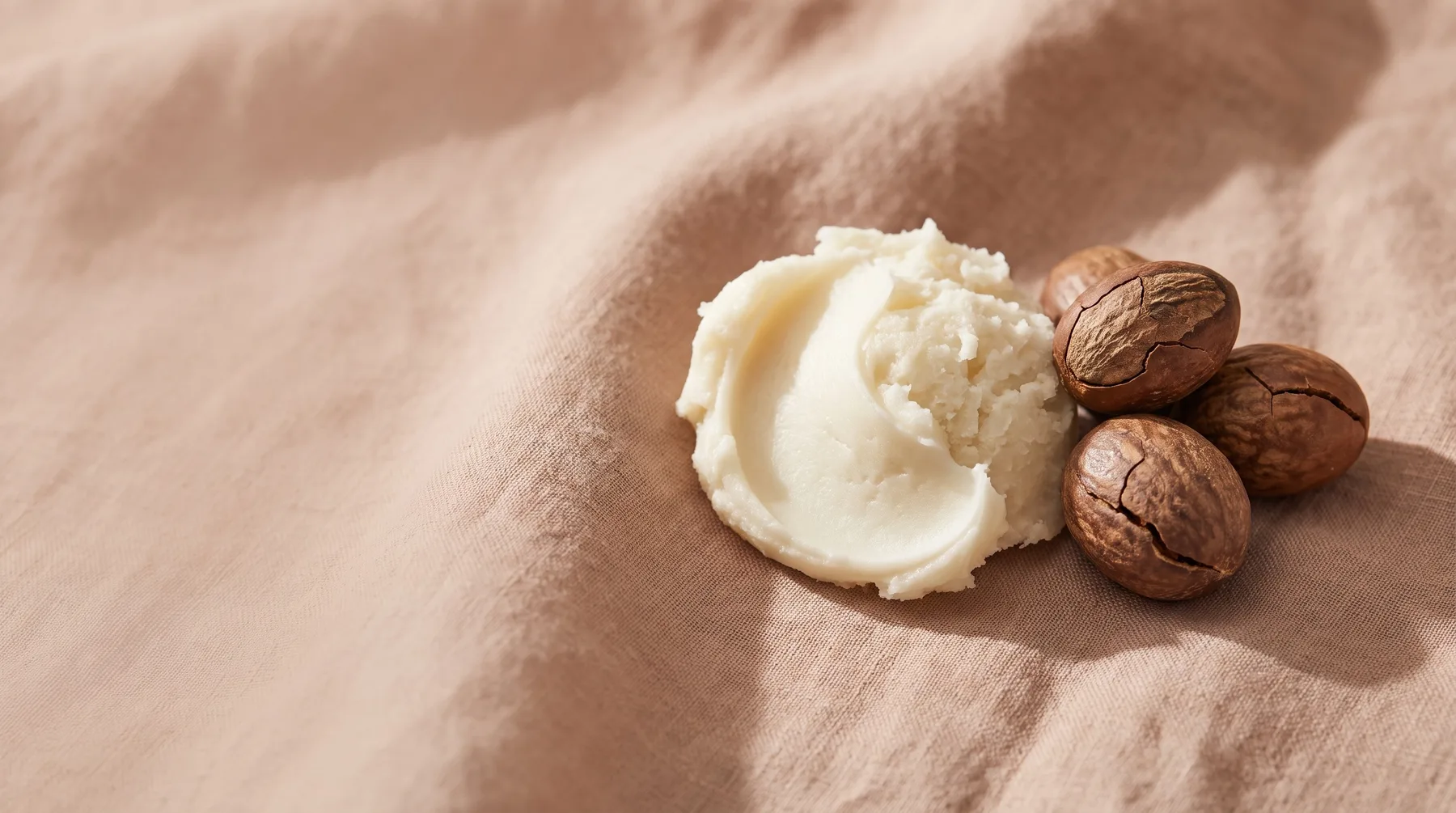
Shea butter is a cream-colored fat extracted from the nut of the Shea tree(Vitellaria paradoxa) that grows in the dry savannas of West Africa. Rich inphytonutrients and essential fatty acids, shea butter is incredibly hydrating and helps to soothe and heal the skin. Shea butter is a multi-tasking restorative ingredient in skincare, thanks toits chemical makeup:
- Stearic, oleic, palmitic, and arachidic fatty acids
- Vitamins A, E, and F, allantoin, and antioxidants that promote cell regeneration
- Triglycerides
What are the benefits of shea butter?
Consider some of the key benefits of shea butter for skin:
- Anti-aging: Boosts collagen production
- Nourishes and plumps skin by locking in moisture
- Repairs, dry, inflamed skin and eases erythema (redness)
- Promotes elasticity by restoring the skin barrier
- Absorbs UV radiation for minor sun protection
- Neutralizes free radical damage
- Alleviates rashes and superficial burns
- Promotes faster wound healing
Shea Butter helps with these skin types
Dry skin
Shea Butter helps improve the skin's moisture content and keeps dry skin hydrated.
Normal skin
Shea Butter promotes elasticity by restoring the skin barrier.
Helps with these environmental & lifestyle factors
Keeps your skin hydrated and supple by locking in moisture even if you live in a region with dry air. Air that lacks humidity tends to dry skin out and cause itching, flaking or cracking of the skin.
Helps fight the effects of pollution on your skin. Polluted air contains small nanoparticles which cause premature aging. Clinical studies show that people with low pollution exposure levels have brighter, healthier, more radiant looking skin.
Calibrated for every age
It refines the skin, making it smoother, creating a more even skin tone, a brighter appearance, and gives you radiant skin from within.
It is a perfect fit to address the primary skin care concerns for people in their 20s and early 30s. Make it a part of your regular skin care routine for healthy, beautiful skin.
This is a great time to make it a part of your skincare routine as you start thinking about incorporating more ingredients with anti-aging benefits.
It is a great bet for consistent, everyday incorporation in your skincare routine as it not only will tighten up your anti-aging regimen but also help you achieve firmer, more youthful skin.
As skin matures, it tends to lose hydration and feel dry. This helps hydrate and plump the skin, reducing the appearance of fine lines and wrinkles.
Works well with these other ingredients
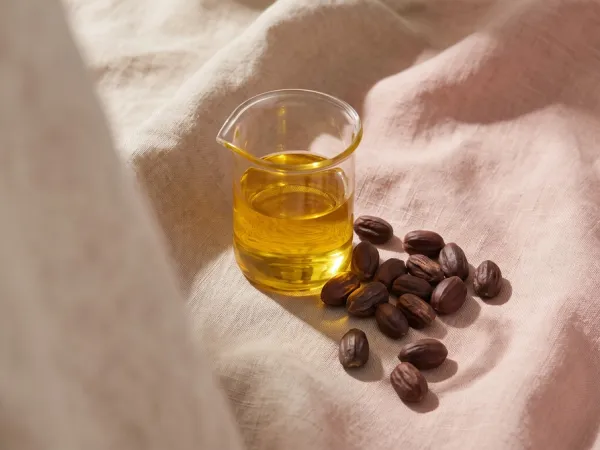
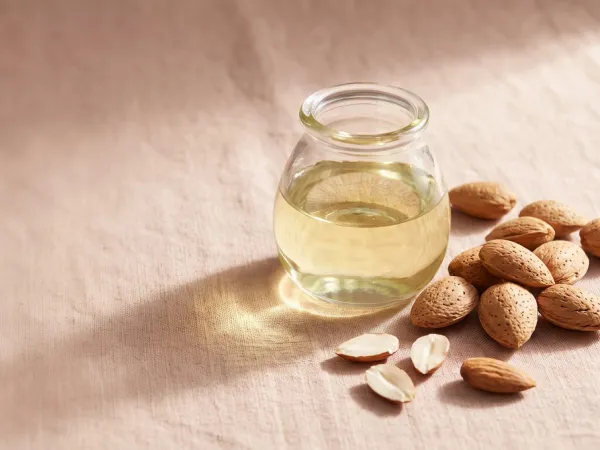
Shea butter is often combined with other emollient ingredients such as jojoba oil, cocoa butter, grapeseed oil, or almond oil to create a moisture- sealing effect.
Usage guide
How to use shea butter?
Shea butter – in its pure and unrefined state -- is solid at room temperature. This rich emollient emulsifies when rubbed between the hands and can be applied directly to the skin. Most facial creams and moisturizing products incorporate shea butter with other ingredients to make it easier to use and penetrate the skin.
When to use shea butter?
This versatile moisturizer works for all skin types, and its high fat content makes it a great solution for hydrating chapped skin during the winter months. You can use it as a daily moisturizer and to ease sunburns, rashes, abrasions, and other types of irritation.
What is shea butter found in?
Unrefined shea butter is off-white in color and has a pleasant nutty aroma. This skin-saving super ingredient is found in body butters, lip balms, handcreams, facial moisturizers, body oils, cleansers, soaps, shampoos, andanti-aging lotions.
Is shea butter suitable for sensitive skin?
Thanks to the anti-inflammatory derivatives of cinnamic acid, shea butter isa reliable choice for sensitive skin. It locks in moisture and repairs the skin'sprotective barrier, and can also help ease symptoms of eczema such asflaky, red skin.
Things to keep in mind
Shea butter side effects
Shea butter's fatty acids mimic the skin's own sebum, and it doesn't clog pores. There are no documented skin allergies to shea butter, but this ingredient should be tested on a small area if you have nut allergies.However, the risk of adverse reaction with a topical application is relatively low.
Ingredients to avoid with shea butter
There are no ingredients to avoid when using shea butter on the skin.
Find out if you need shea butter
Find out if shea butter's therapeutic properties can benefit your skin bycompleting the PROVENskin quiz It only takes 3 minutes for personalized skincare that supports your needs and goals at this phase in life.
The PROVEN system
Your personalized system
A cleanser, day moisturizer, and night cream — calibrated to your skin from the 3-step Skin Genome Quiz.
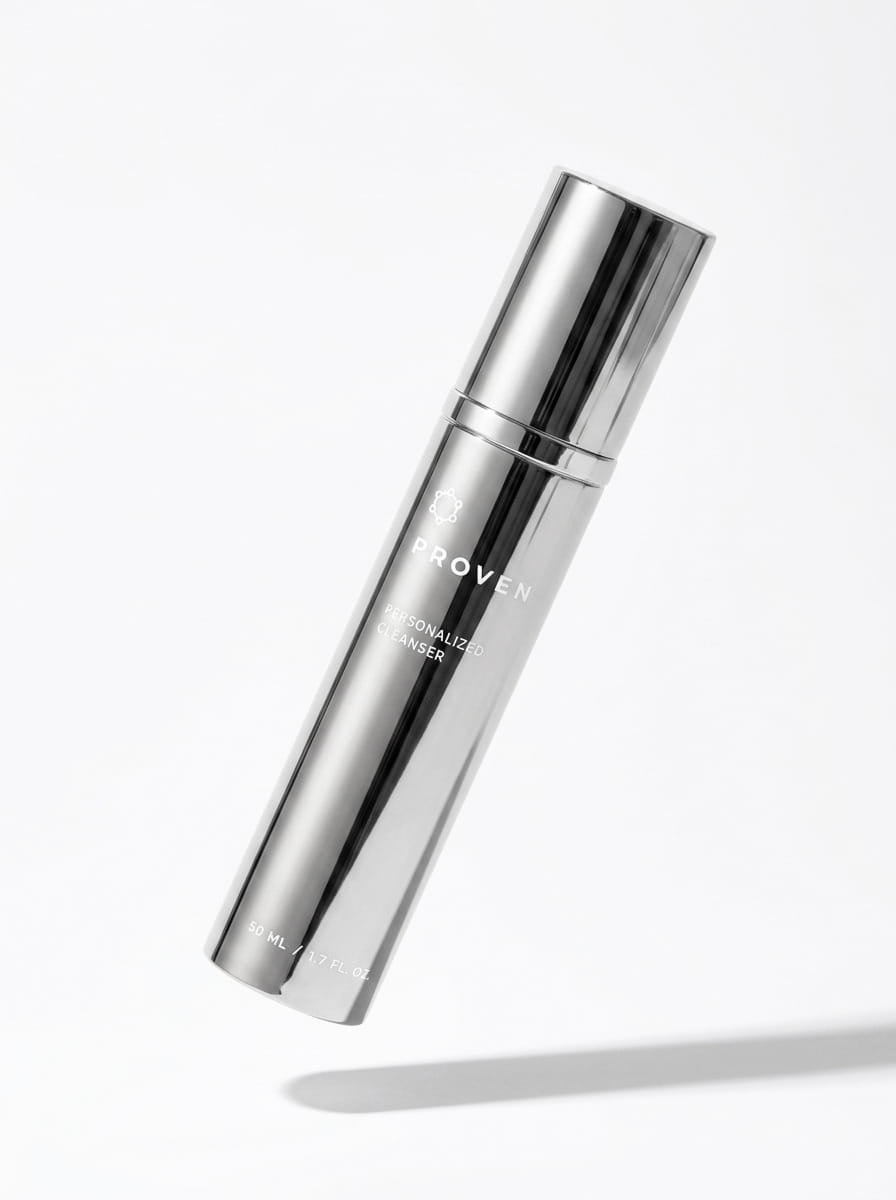
Personalized Cleanser
A gentle wash with exfoliating and toning properties — calibrated to your skin.
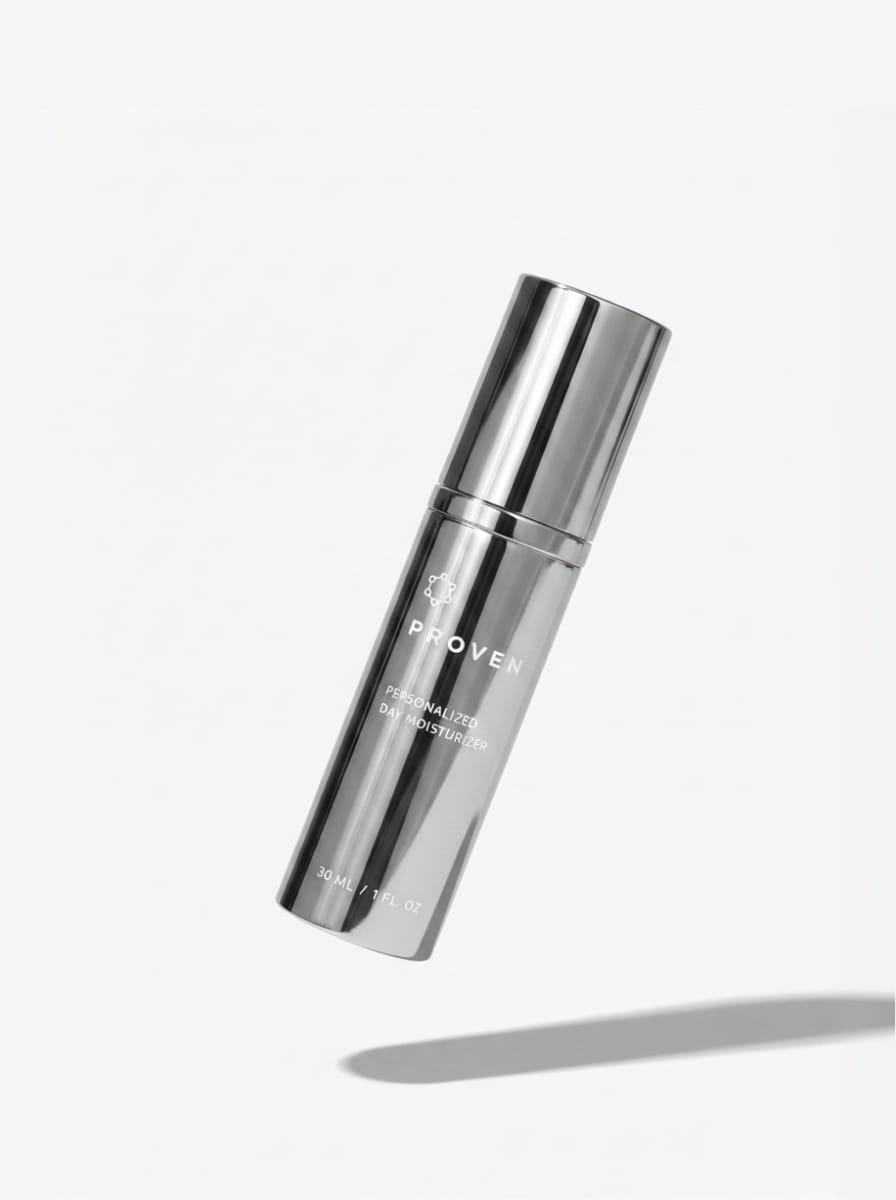
Personalized Day Moisturizer
Lightweight daytime hydration — formulated for your skin.
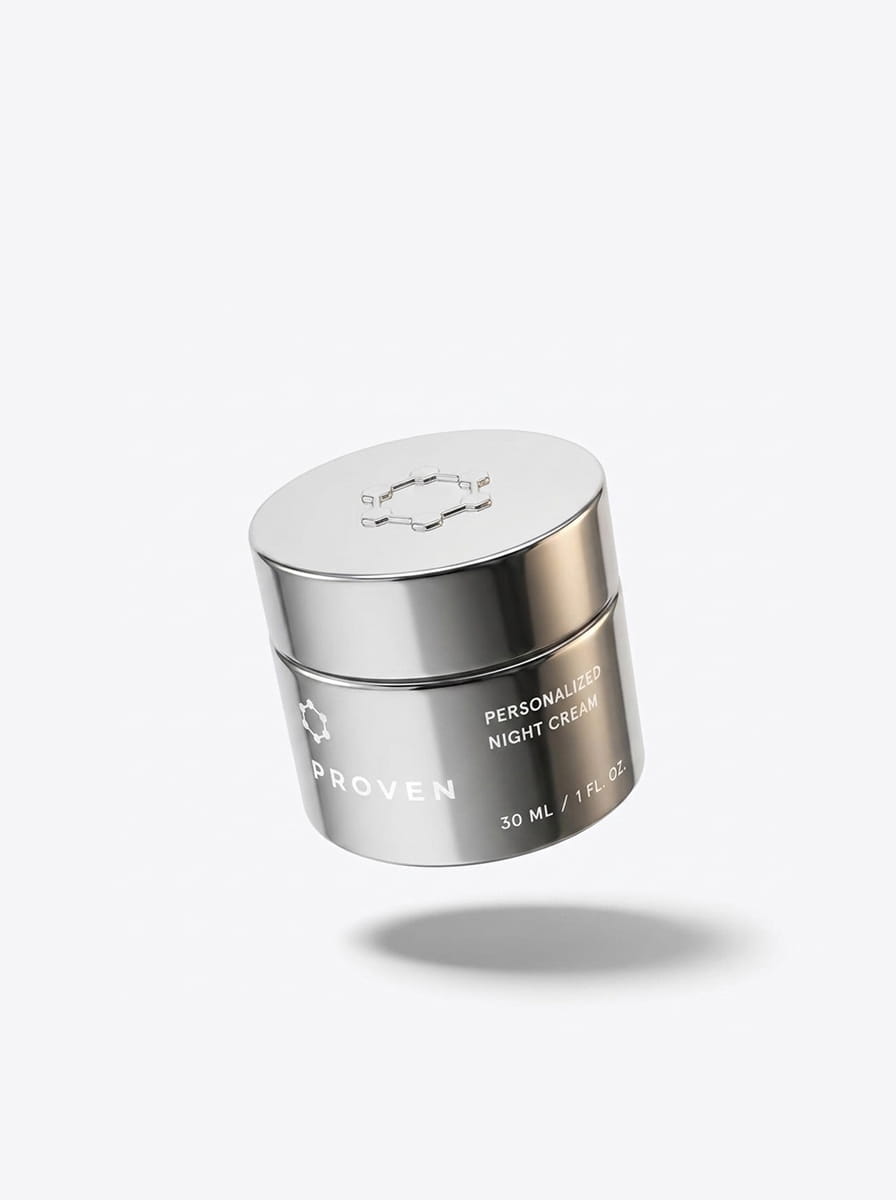
Personalized Night Cream
Overnight repair with the active ingredients your skin needs most.
25% off first order + 15% off subscription bonusTake the 3-min quiz
Clinically proven. Consciously made.
In a 28-day clinical study, 87% noted softer skin, 94% noted smoother skin, and 81% noted a brighter complexion.
Always cruelty-free. Never formulated with phthalates, parabens, SLS, or formaldehyde.
Formulated and filled in an FDA-approved US laboratory. Made stateside, end to end.
Tips for using shea butter
A rich emollient works best when you use it with a little intention. Here is how to get the most from shea butter.
- Warm it between your hands Pure shea butter is solid at room temperature. Rub it between your palms until it melts, then press it into skin for even, comfortable coverage.
- Save it for winter dryness Its high fat content helps chapped, wind-worn skin hold moisture, which makes it a natural fit for cold, low-humidity months.
- Seal in your other steps Shea helps restore the skin barrier, so apply it last — over lighter hydrators like jojoba or almond oil — to lock everything in.
- Patch test with nut allergies Shea comes from a tree nut. Documented reactions are rare, but if you have nut allergies, test a small area first.
- Find out if your skin needs it The 3-minute Skin Genome Quiz reads 47 factors and builds a personalized formula, so you know whether shea butter belongs in yours.
Real results
Real results, real people.
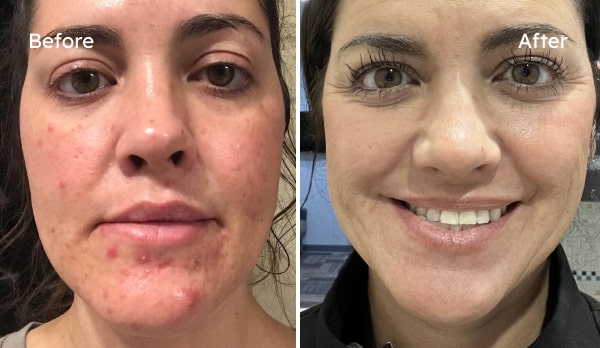
“It’s so clear and I can go without makeup and it looks amazing. I used to be so ashamed to walk around with no makeup, had terrible acne! This has been a game changer for me!”
Persistent inflammatory acne + barrier disruption = gentle sebum balance + barrier rebuild system.
1 of 6
Build your own personalized formula
Take the quizNeed more help? Email care@provenskincare.com