


We’re here to share what we know — but please don’t take this as medical advice. Talk to your healthcare provider if you have any concerns about changes in your skin.
At Proven Skincare, our focus is on customized, dermatologist-informed skincare designed to address acne, redness, dark spots, and signs of aging. This article is for informational purposes only and is meant to help you understand possible causes of red spots under your eyes — and how to keep your skin healthy and balanced.
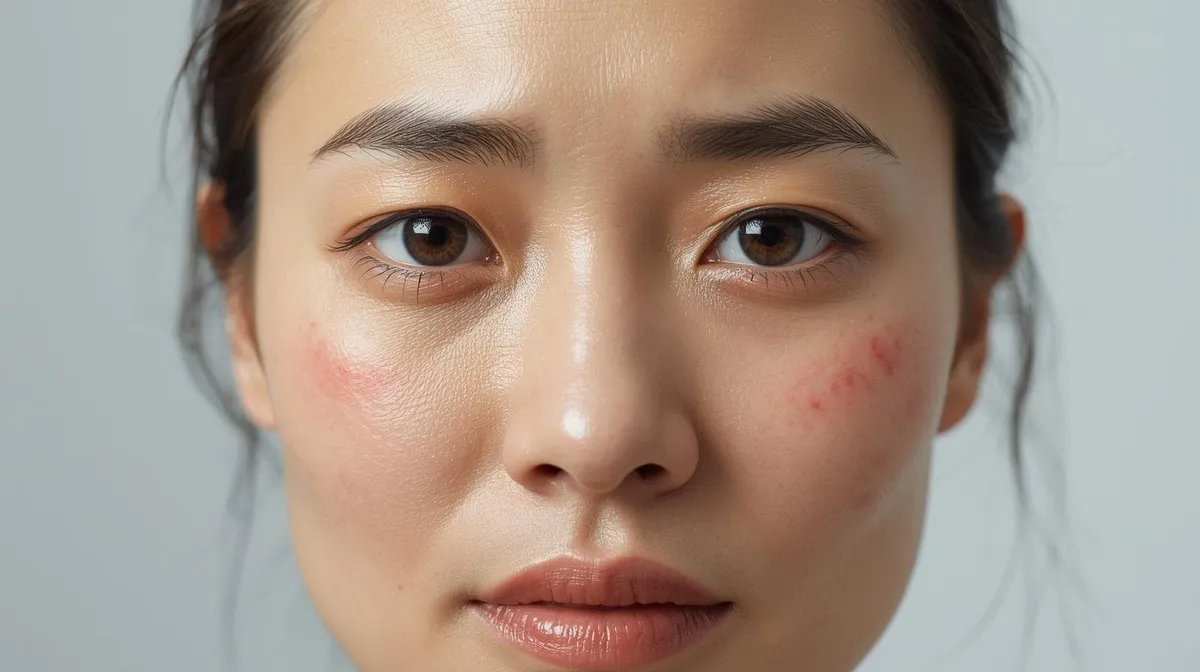
If you’ve noticed small red dots, patches, or bumps under your eyes, you’re not alone. This delicate area is one of the most common places for irritation or inflammation to show up. The good news: most causes are harmless and treatable with simple adjustments to your skincare and lifestyle.
In This Article
- What are red spots under the eyes?
- Possible causes of red dots or bumps under the eyes
- Risk factors for redness or irritation
- How to treat and prevent red spots
- When to see a dermatologist
What Are the Red Spots Under My Eyes?
Small red dots, blotches, or bumps under the eyes can appear suddenly or gradually. They may be painless, itchy, or even slightly tender depending on the cause. These spots can result from irritation, inflammation, broken blood vessels, or even infections.
Common culprits include conditions such as petechiae, styes, chalazia, or mild forms of dermatitis. Understanding what’s behind the redness is the first step to finding relief.
Common Causes of Red Spots or Bumps Under the Eyes
Petechiae (Broken Blood Vessels)
Petechiae are tiny red or purple dots that occur when small blood vessels (capillaries) break beneath the skin. These marks are usually flat, painless, and appear in clusters.
Possible causes include:
- Straining, coughing, or crying intensely
- Minor trauma to the skin (rubbing, friction)
- Medications that thin the blood
These small spots usually fade naturally within a few days. However, if they persist or appear alongside other symptoms (like bruising or fatigue), check in with a medical professional.
Periocular Dermatitis
This skin condition involves small red bumps, scaling, and itching around the eyes. It’s often linked to topical steroid use, heavy creams, or certain makeup products.
Typical symptoms include:
- Itchy or burning skin
- Dryness or flakiness
- Clusters of small red bumps
Switching to gentle, fragrance-free products and avoiding steroid creams can often help resolve this condition.
Styes
Styes are painful, red bumps that form on the eyelid due to a bacterial infection in the oil glands. They can make the eyelid swollen and tender to the touch.
Symptoms include:
- Pain or soreness in the eyelid
- Swelling or redness near the lash line
- A visible bump with a white or yellow center
Applying a warm compress several times a day can help the stye drain naturally. Avoid touching or squeezing it to prevent infection.
Chalazion
A chalazion is a painless bump that develops when an oil gland in your eyelid becomes blocked. It can look similar to a stye but tends to be larger and not tender.
Common signs include:
- Firm, swollen lump on the eyelid
- Redness or mild irritation
- Occasional blurred vision (if large enough)
Warm compresses can help, but persistent chalazia may require professional removal by a dermatologist or ophthalmologist.
Rosacea (Ocular Rosacea)
Rosacea can also affect the skin around your eyes, leading to redness, dryness, and sensitivity. It often occurs in people who also experience facial flushing or visible capillaries.
Tip: Use skincare with niacinamide, green tea extract, and vitamin C to calm inflammation and strengthen your skin barrier.
Risk Factors for Redness and Bumps Around the Eyes
Several factors increase your likelihood of developing irritation, redness, or bumps under your eyes. These include:
- Poor eyelid hygiene – not cleansing properly or removing makeup completely
- Allergies or irritants – reaction to products, pollen, or dust
- Excessive sun exposure – damaging delicate under-eye skin
- Topical steroid use – especially creams applied near the eyes
- Medical conditions – such as rosacea or blepharitis
How Can I Treat Red Spots Under My Eyes?
Treatment depends on what’s causing your red spots, but here are general dermatologist-approved tips that can help:
- Apply a warm compress for 5–10 minutes, several times a day (for styes or chalazia)
- Use a cold compress to calm redness or broken capillaries
- Switch to fragrance-free skincare and avoid harsh exfoliants
- Keep your skin clean but not stripped — use a mild, pH-balanced cleanser
- Protect your skin from the sun with SPF 30+ daily
Remember: if your red spots are painful, filled with pus, or persist longer than a week, it’s time to see a dermatologist for evaluation.
Can I Wear Makeup to Cover the Redness?
If you’re experiencing redness, rash, or bumps around the eyes, it’s best to take a short break from makeup—especially mascara, eyeliner, or concealer near the affected area. These products can worsen irritation or trap bacteria, slowing healing.
Once your skin has recovered, switch to non-comedogenic and hypoallergenic formulas to prevent future flare-ups.
Preventing Red Spots Under the Eyes
Prevention starts with understanding your skin’s triggers and taking steps to reduce irritation:
- Keep your skincare simple: Use gentle cleansers and avoid layering too many products
- Remove makeup every night: Sleeping with eye makeup can block glands and cause styes
- Stay hydrated: Well-moisturized skin is more resilient
- Protect from UV damage: Wear sunglasses and daily SPF
- Use customized skincare: Tailor your products to your skin type and sensitivities
When to See a Dermatologist
If the red spots or bumps under your eyes:
- Last more than 7–10 days
- Become painful, swollen, or filled with fluid
- Are accompanied by vision changes
- Continue to recur
you should schedule a visit with a board-certified dermatologist or eye specialist. They can diagnose the condition accurately and prescribe medications or treatments if needed.
The Bottom Line
Red spots or bumps under the eyes are common—and in most cases, harmless. The key to clearer, calmer skin lies in identifying the cause, caring for your skin gently, and using skincare that supports your barrier rather than irritates it.
At Proven Skincare, our dermatologist-developed formulas are powered by AI and personalized to your unique skin type, environment, and sensitivities. Each product is custom-designed to help you achieve balanced, radiant skin—without the guesswork.
Keep irritation at bay.
Get back to glowing, balanced skin with a personalized, clinically effective skincare regimen made for your unique skin type.