

Cuts through the mineral deposits to lessen hard water’s effects on your skin. Hard water causes accumulation of soap scum and minerals which break down the lipid barriers that protect our skin and trigger chronic dryness, clogged pores, inflammation and rosacea.
INGREDIENT
Alpha Hydroxy Acid (AHA) for Skin
Alpha hydroxy acids (AHA) are naturally occurring, water-soluble acids found in various plantsources. AHA can also be produced synthetically in laboratories, often to develop skincare products and cosmetics. AHA acid is widely known for its rejuvenating effect on the skin.
- 4.7 ★50,000+ reviews
- Clinically proven28-day independent study
- MIT AI IdolTechnology of the year
- 2 U.S. patentsPersonalization first
What is alpha hydroxy acid?
Alpha hydroxy acid is a popular anti-aging skincare ingredient, found in everything from common drugstore products to spa-grade aesthetic treatments. Their primary function is as anexfoliant to slough off dead skin cells and speed up cell turnover for brighter, more even skin tone. All of the following are AHAs:
- Citric acid
- Glycolic acid
- Malic acid
- Lactic acid
- Tartaric acid
- Phytic acid
What are the benefits of alpha hydroxy acid?
Hydroxy acids offer a range of benefits from anti-aging and exfoliation to anti-acne and hydration. Benefits specific to AHAs include:
- Visibly brighter, more radiant skin
- Increased collagen production
- Improved appearance of fine lines and wrinkles
- Reduced areas of hyperpigmentation/mitigated sun damage
- More even skin tone
Helps with these skin concerns
AHA helps with the following skin concerns
AHA helps with these skin types
Dry skin
AHA is made up of molecules that love water, and it helps improve the skin's moisture content. However it isn't suitable for extremely dry skin.
Normal skin
AHA is a great exfoliant for normal skin and exfoliates the skin's surface while helping it hold onto more moisture.
Helps with these environmental & lifestyle factors
Helps counter the effect of high stress on your skin. Living with too much stress ramps up your body's production of cortisol—and wreaks havoc on your skin.
Helps fight the effects of pollution on your skin. Polluted air contains small nanoparticles which cause premature aging. Clinical studies show that people with low pollution exposure levels have brighter, healthier, more radiant looking skin.
Calibrated for every age
It refines the skin, making it smoother, creating a more even skin tone, a brighter appearance, and gives you radiant skin from within.
It is a perfect fit to address the primary skin care concerns for people in their 20s and early 30s. Make it a part of your regular skin care routine for healthy, beautiful skin.
This is a great time to make it a part of your skincare routine as you start thinking about incorporating more ingredients with anti-aging benefits.
It is a great bet for consistent, everyday incorporation in your skincare routine as it not only will tighten up your anti-aging regimen but also help you achieve firmer, more youthful skin.
As skin matures, it tends to lose hydration and feel dry. This helps hydrate and plump the skin, reducing the appearance of fine lines and wrinkles.
Works well with these other ingredients
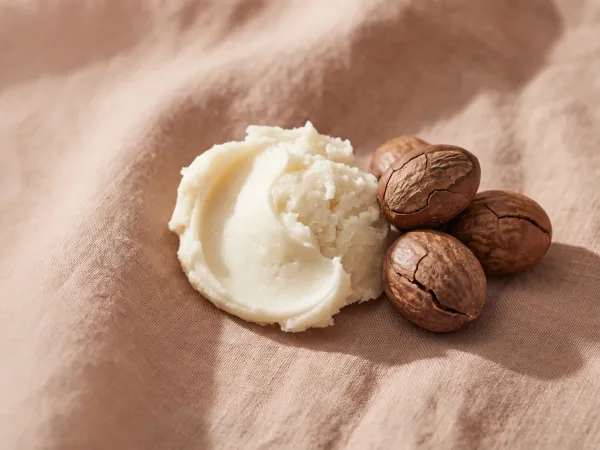
Alpha hydroxy acid works well with many other skincare ingredients, depending on the issues of most concern. For example, some may find AHA is somewhat drying. This issue is easily balanced with effective moisturizing ingredients. Look for moisturizers that contain hyaluronic acid, glycerin, shea butter, ceramides, or another AHA such as lactic acid. Beta Hydroxy Acid (BHA), with its oil-soluble, pore-penetrating properties, is another great complement to AHA. This combination is ideal for those whose skin concerns include both anti- aging and anti-acne Alpha hydroxy acid does make the skin more sensitive to sunlight. Anyone who uses AHA products must apply a sunscreen with SPF daily.
Usage guide
How to use alpha hydroxy acid?
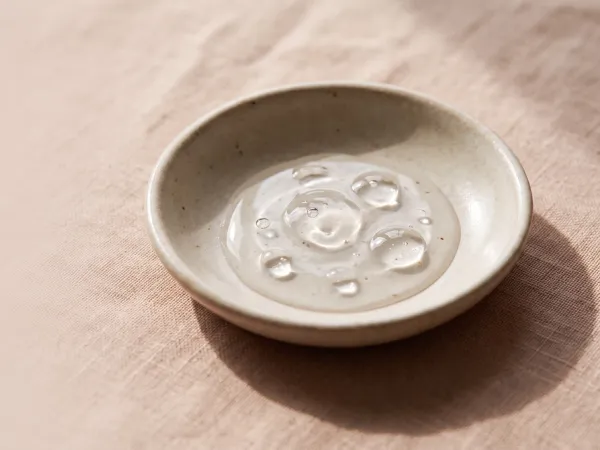
Alpha hydroxy acid comes in a variety of topical skincare products. Whether you are using a cleanser, serum, facial mask, or moisturizer, you should always follow the product packaging instructions. For example, if you’re applying an over-the-counter peel, only leave the product on your skin for the recommended length of time—and no longer. If you’re using a moisturizer, massage the product into your skin as often as recommended.
When to use alpha hydroxy acid?
Use AHA-based skincare products when you become concerned about fine lines and wrinkles, if notice areas of hyperpigmentation, or if you want a more “instantly gratifying” brightening effect. It’s a good idea to start slowly and apply the product initially, every other day. If you find that it’s well-tolerated, increase usage up to two times daily, depending on product recommendations.
What is alpha hydroxy acid found in?
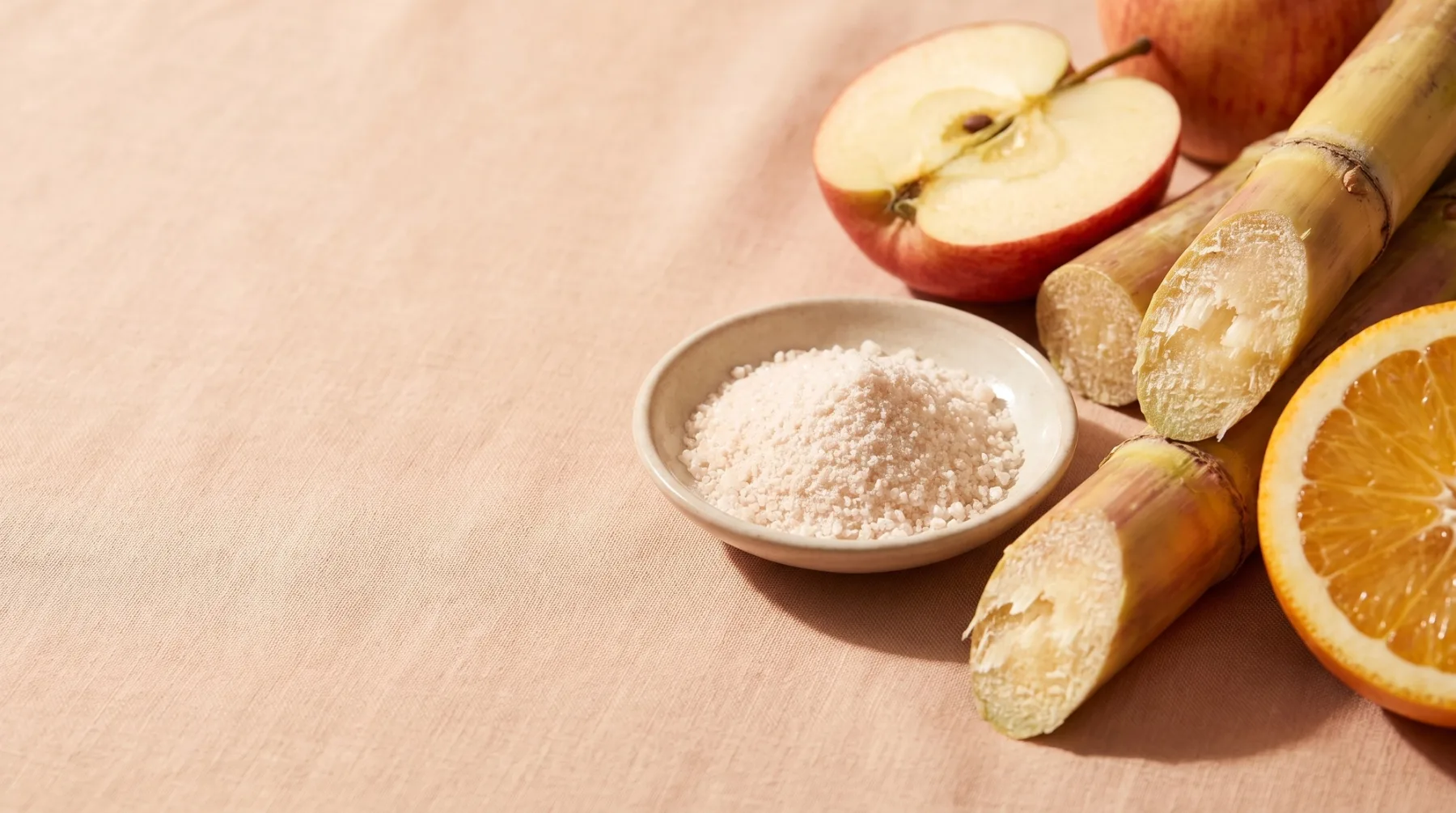
Alpha hydroxy acid may be derived naturally from plant sources or created synthetically in alab. Hydroxy acids in nature originate from different sources. Citric acid, for example, is found in citrus fruits, whereas malic acid is found in cherries and apples. Tartaric acid is derived fromgrapes, glycolic acid from sugar cane, and lactic acid from lactose.
Is alpha hydroxy acid suitable for sensitive skin?
In general, AHA acid is well-tolerated by a range of skin types. However, those with sensitive skin may experience some irritation. A strong AHA formulation or one that is used too often may also aggravate sensitive skin. Those with this skin type should use a more mild AHA, suchas lactic acid, and discontinue use if irritation occurs.
Things to keep in mind
Alpha hydroxy acid side effects
Alpha hydroxy side effects are temporary and may include a stinging sensation, redness,swelling, and itching. AHAs also increase sensitivity to ultraviolet (UV) light. It’s strongly advised that users regularly apply sunscreen and limit sun exposure.
Ingredients to avoid with alpha hydroxy acid
Alpha hydroxy acid works well with a range of other skincare ingredients. However, certain combinations are not advisable. AHA combined with Vitamin C or Retinol are two such combinations.Vitamin C is an antioxidant with a sensitive pH level may be altered when mixed with an AHA,thereby reducing its effectiveness. Also, because both ingredients promote exfoliation and cell turnover, irritation might occur with a double dose.The issue with AHA and Retinol is similar to the interaction with Vitamin C. Retinol also tends to become neutralized when it meets with the oxidizing effect of the alpha hydroxy acid. Because both ingredients are exfoliating acids, the risk of irritation is greater when these ingredients are used alone.
Find out if you need alpha hydroxy acid
Get skincare solutions personalized to meet your needs with the AI algorithm developed by the Stanford-trained scientists at PROVEN. Our multifunctional products are non-toxic, cruelty-free,and formulated especially for you, based on your responses to the Skin Quiz. Take the Skin Quiz today to find your formula.
The PROVEN system
Your personalized system
A cleanser, day moisturizer, and night cream — calibrated to your skin from the 3-step Skin Genome Quiz.
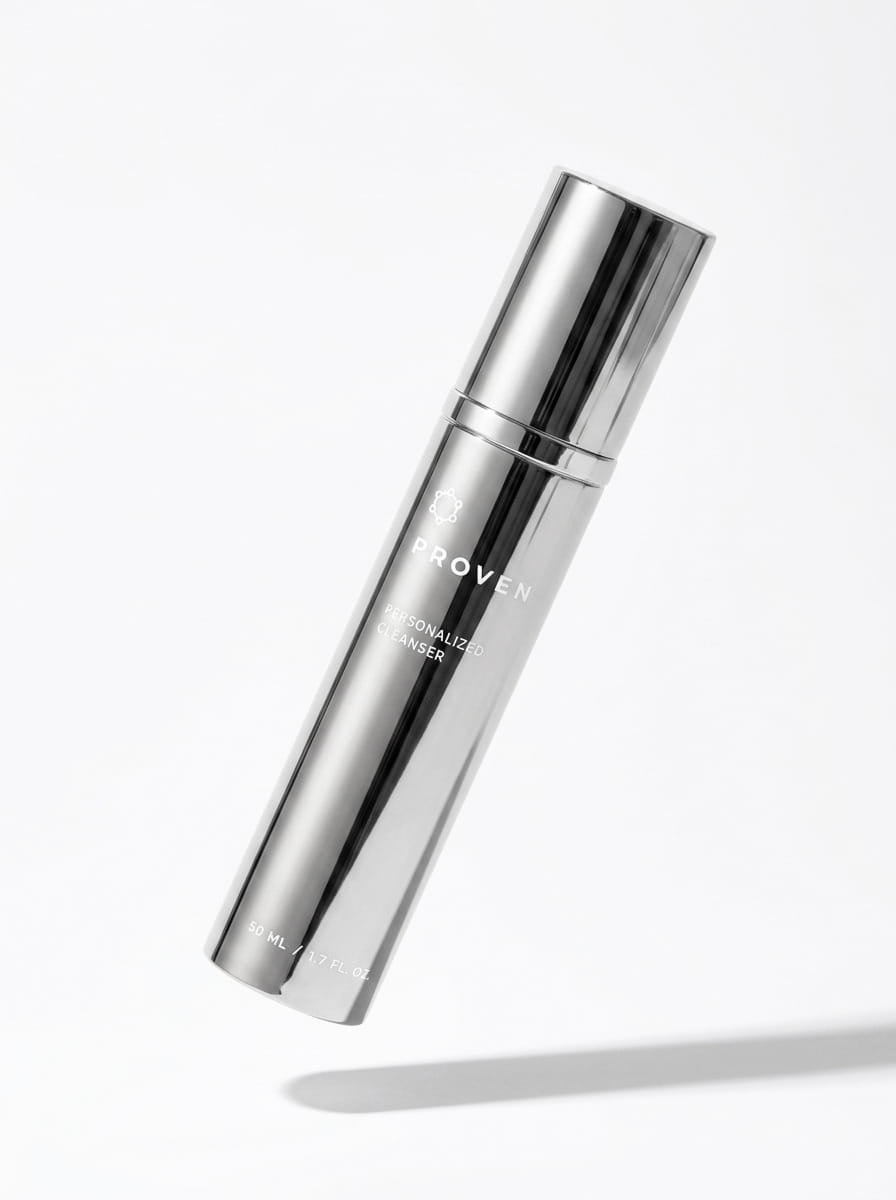
Personalized Cleanser
A gentle wash with exfoliating and toning properties — calibrated to your skin.
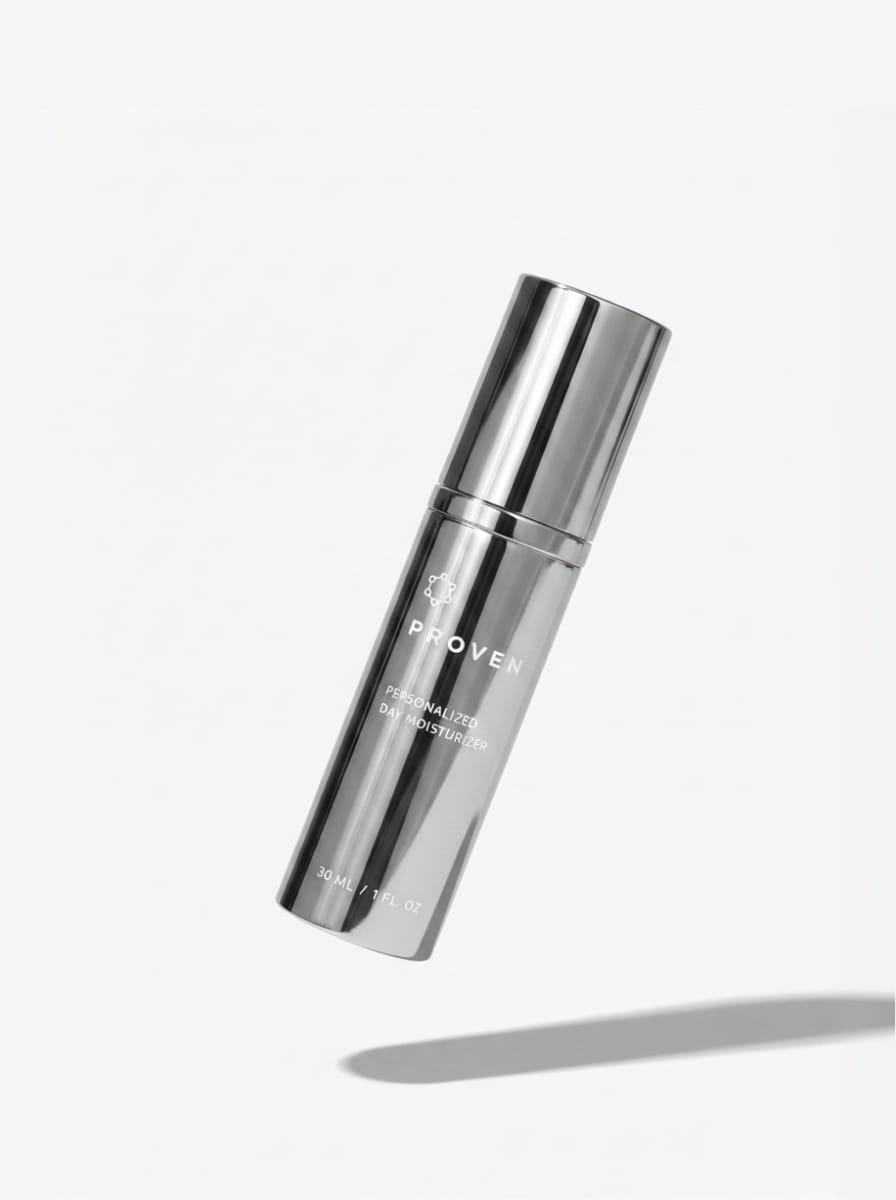
Personalized Day Moisturizer
Lightweight daytime hydration — formulated for your skin.
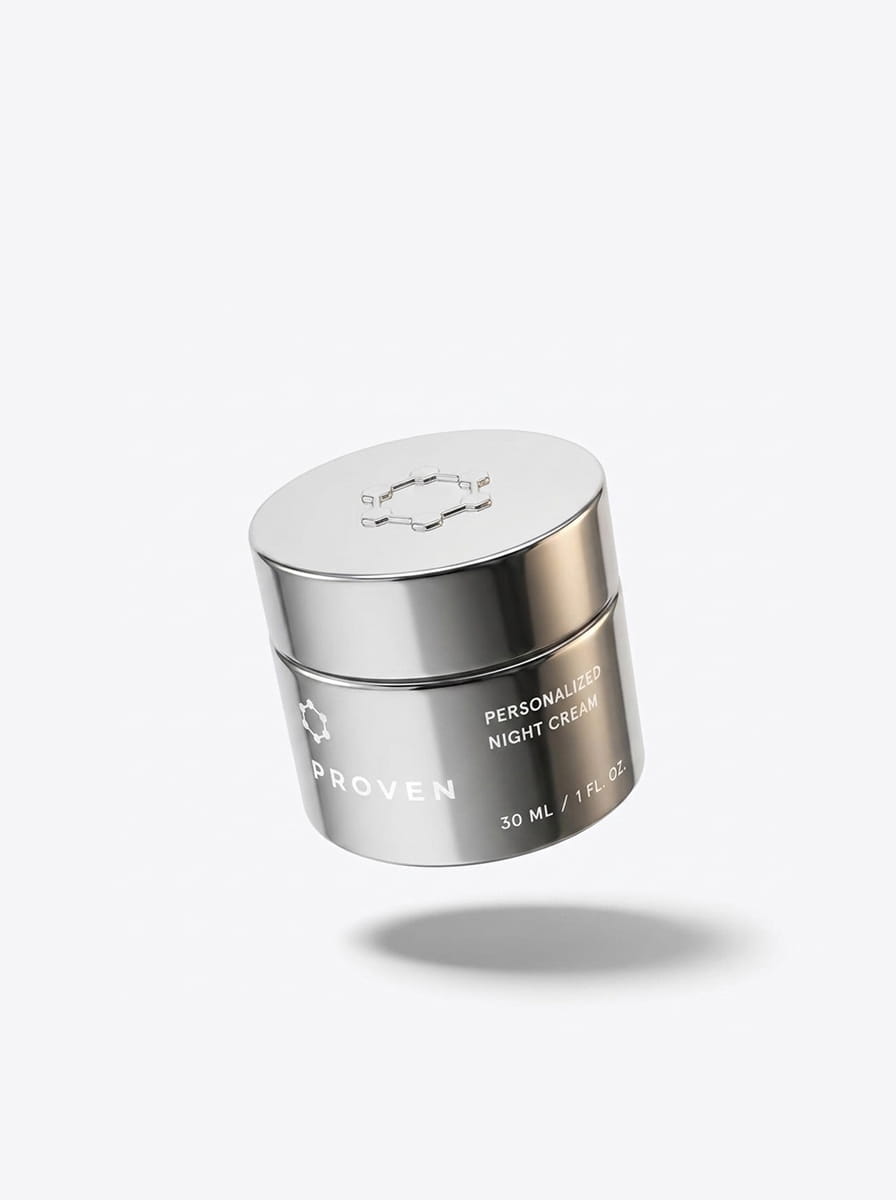
Personalized Night Cream
Overnight repair with the active ingredients your skin needs most.
25% off first order + 15% off subscription bonusTake the 3-min quiz
Clinically proven. Consciously made.
In a 28-day clinical study, 87% noted softer skin, 94% noted smoother skin, and 81% noted a brighter complexion.
Always cruelty-free. Never formulated with phthalates, parabens, SLS, or formaldehyde.
Formulated and filled in an FDA-approved US laboratory. Made stateside, end to end.
Getting the most from alpha hydroxy acids
AHAs exfoliate and brighten, but they ask for a slow start and steady sun protection in return.
- Build up slowly Start every other day to see how your skin responds. If it stays comfortable, work up to once or twice daily, following the product’s directions.
- Follow the timing With peels and masks, leave the product on only for the recommended time and no longer. With a moisturizer, massage it in as often as the label suggests.
- Wear sunscreen daily AHAs increase sensitivity to UV light. Daily broad-spectrum sunscreen and limited sun exposure protect the freshly exfoliated skin.
- Choose gentler acids if reactive Sensitive skin often tolerates a milder AHA like lactic acid better than stronger formulas. Ease off if irritation appears.
- Keep them apart from C and retinol AHAs can throw off vitamin C’s pH and neutralize retinol, and doubling up on exfoliants risks irritation. Pair AHAs instead with hyaluronic acid, shea butter, or ceramides, and alternate days with the others.
Real results
Real results, real people.
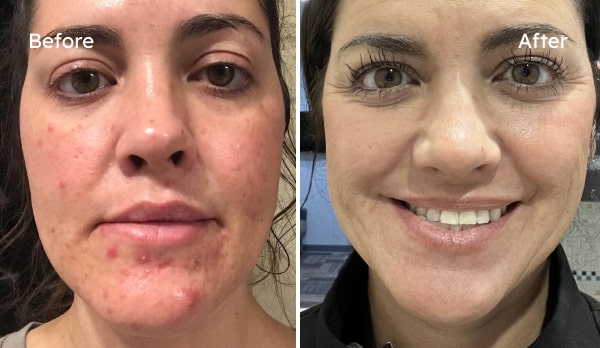
“It’s so clear and I can go without makeup and it looks amazing. I used to be so ashamed to walk around with no makeup, had terrible acne! This has been a game changer for me!”
Persistent inflammatory acne + barrier disruption = gentle sebum balance + barrier rebuild system.
1 of 6