

Cuts through the mineral deposits to lessen hard water’s effects on your skin. Hard water causes accumulation of soap scum and minerals which break down the lipid barriers that protect our skin and trigger chronic dryness, clogged pores, inflammation and rosacea.

INGREDIENT
Glycolic Acid for Skin
Glycolic acid is prevalent in skincare, and for good reasons. Used in both medical-grade chemical peels and at-home products, this natural exfoliator has a long track record of safety and efficacy.
- 4.7 ★50,000+ reviews
- Clinically proven28-day independent study
- MIT AI IdolTechnology of the year
- 2 U.S. patentsPersonalization first
What is glycolic acid?
Glycolic acid is one of the most researched alpha hydroxy acids (AHAs)—with carbon-containingmolecules derived from various sugar beets, pineapple, and sugar cane. Compared to otherAHAs, glycolic acid has the lowest molecular weight, meaning it can penetrate deeply into theskin for maximum effect. Once absorbed, the acid separates the bonds between skin cells,allowing dead keratinocytes to be sloughed away. This chemical exfoliating process accelerates cell turnover, pushing new skin cells to the surface for a radiant complexion. This exfoliant also stimulates collagen and hyaluronic acid productionbeneath the stratum corneum, helping skin tone and firmness.
What are the benefits of glycolic acid?
Glycolic acid for skin exfoliation and health is well-studied. In the right concentrations, this powerful AHA decreases photo-damage to the skin, and it even allows for deeper absorption ofother actives like antioxidants, growth factors, and retinoids. Glycolic acid enhances the naturalluminosity of the skin and smooths rough texture. Further, this skincare active lightens darkspots, plumps up fine lines and wrinkles, fights acne without drying, and minimizes the appearance of pores.
Helps with these skin concerns
Helps with these environmental & lifestyle factors
Helps counter the effect of high stress on your skin. Living with too much stress ramps up your body's production of cortisol—and wreaks havoc on your skin.
Helps fight the effects of pollution on your skin. Polluted air contains small nanoparticles which cause premature aging. Clinical studies show that people with low pollution exposure levels have brighter, healthier, more radiant looking skin.
Calibrated for every age
It refines the skin, making it smoother, creating a more even skin tone, a brighter appearance, and gives you radiant skin from within.
It is a perfect fit to address the primary skin care concerns for people in their 20s and early 30s. Make it a part of your regular skin care routine for healthy, beautiful skin.
This is a great time to make it a part of your skincare routine as you start thinking about incorporating more ingredients with anti-aging benefits.
It is a great bet for consistent, everyday incorporation in your skincare routine as it not only will tighten up your anti-aging regimen but also help you achieve firmer, more youthful skin.
As skin matures, it tends to lose hydration and feel dry. This helps hydrate and plump the skin, reducing the appearance of fine lines and wrinkles.
Works well with these other ingredients
Lactic acid, hyaluronic acid, and salicylic acid complement the exfoliating and hydrating properties of glycolic acid. It also works well with glycerin, ceramides, and rosehip seed oil. Glycolic acid can be paired with Vitamin C, as long as one is applied in the morning and the other at night.
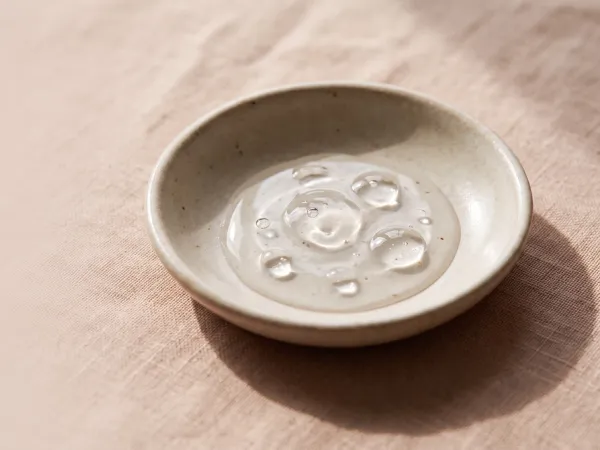 01 / 03Key active
Hyaluronic Acid
Binds to water to deliver instant hydration
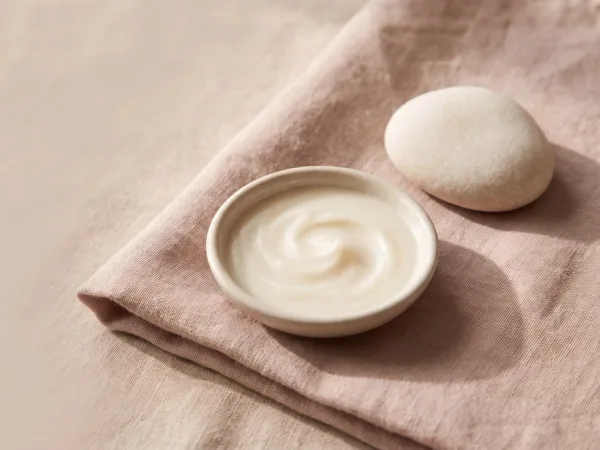 02 / 03
Ceramides
Allow the skin to stay moist and hydrated, and protect the skin’s barrier protection
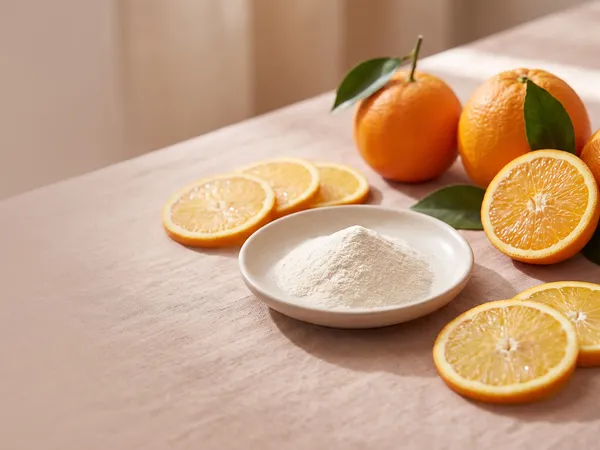 03 / 03
Vitamin C
A brightening, firming antioxidant that promotes collagen production and helps fade dark spots and discoloration
Usage Guide
How to use glycolic acid?
Start sparingly with a cleanser or lotion with a 2-5 percent glycolic acid a few times a week. Youcan increase the concentration and frequency to every other night or every night, depending onyour skincare needs.
When to use glycolic acid?
If you’re going to be in the full sun for extended periods, do not apply glycolic acid that morning. Consider using it right before bed, as nighttime is when your skin is in “repair” mode. In terms of age, skincare formulas with GA can be effective from adolescence onward.
What is glycolic acid found in?
Thanks to its anti-aging and brightening benefits, glycolic acid is incorporated in a wide array of skincare products, including exfoliating pads, serums, masks, toners, cleansers, replenishinglotions, and peels.
Is glycolic acid suitable for sensitive skin?
Those with sensitive skin may find glycolic acid products too irritating for daily use. However,serums and cleansers containing very low concentrations (less than 10 percent) of glycolic acidmay not provoke redness or burning in sensitive skin.
Glycolic acid side effects
Topical glycolic acid will often produce a slight tingling sensation-- a telltale sign that it’sworking properly. High percentages of glycolic can cause burning, erythema, and peeling--adverse side effects that should be avoided. This AHA also increases the skin’s sensitivity to sunlight, so users must be diligent about daily sunscreen protection.
Ingredients to avoid with glycolic acid
Be careful using glycolic acid with Vitamin A derivatives like retinoids, as they can be tooirritating and cause peeling and damage to the skin’s natural barrier. If your daily routine callsfor both ingredients, be sure to use them on alternating days.
Find out if you need glycolic acid
Is glycolic acid your gateway to smoother, more luminous skin? The PROVEN skin quiz can identify the best ingredients for your lifestyle, skin concerns, and environment. Get yourpersonalized formulas today.
The PROVEN system
Your personalized system
A cleanser, day moisturizer, and night cream — calibrated to your skin from the 3-step Skin Genome Quiz.
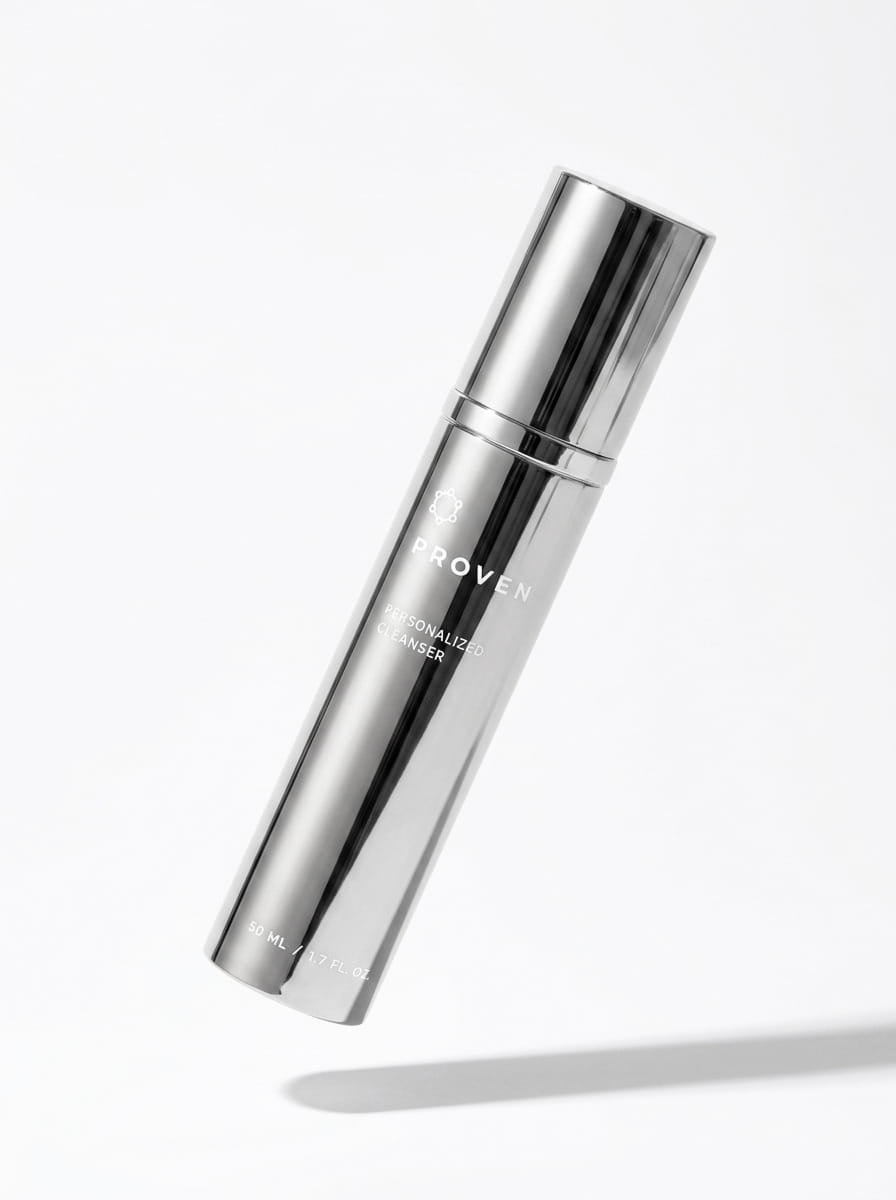
Personalized Cleanser
A gentle wash with exfoliating and toning properties — calibrated to your skin.
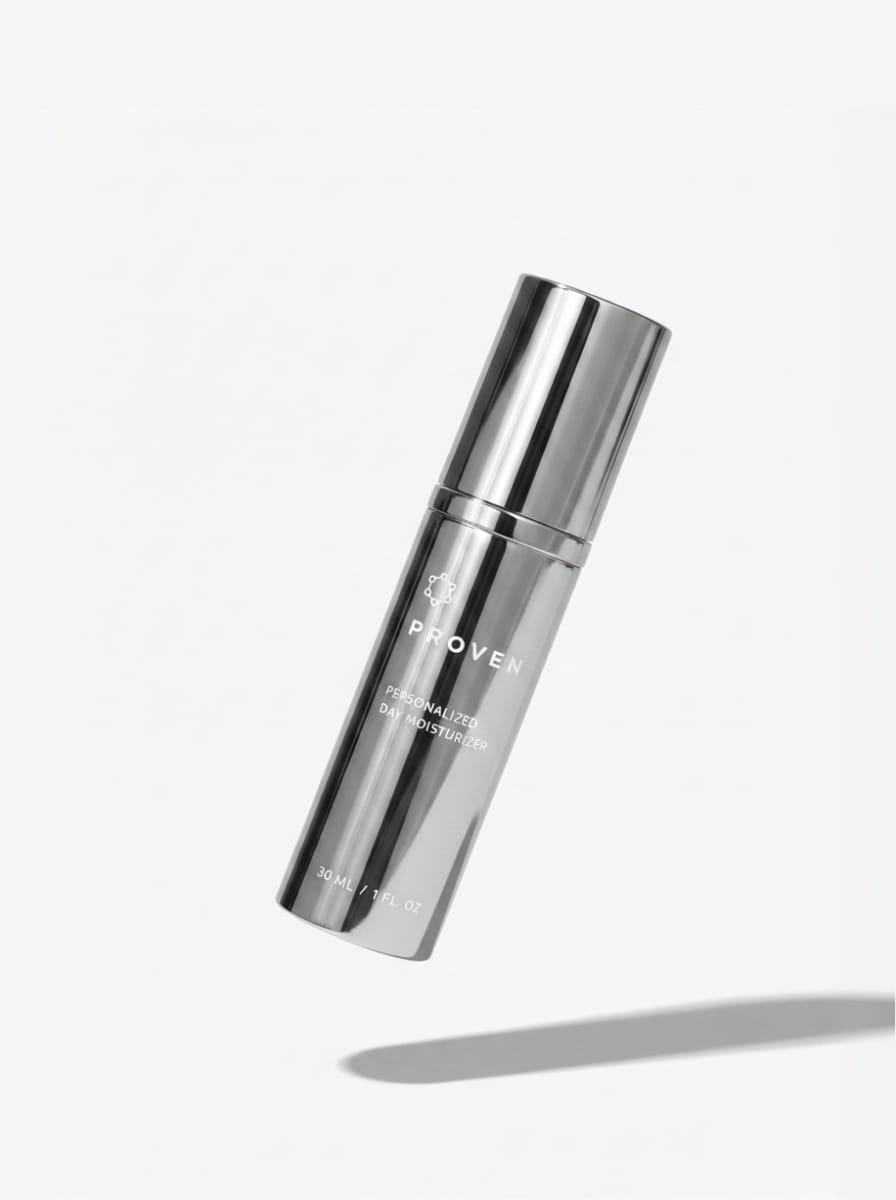
Personalized Day Moisturizer
Lightweight daytime hydration — formulated for your skin.
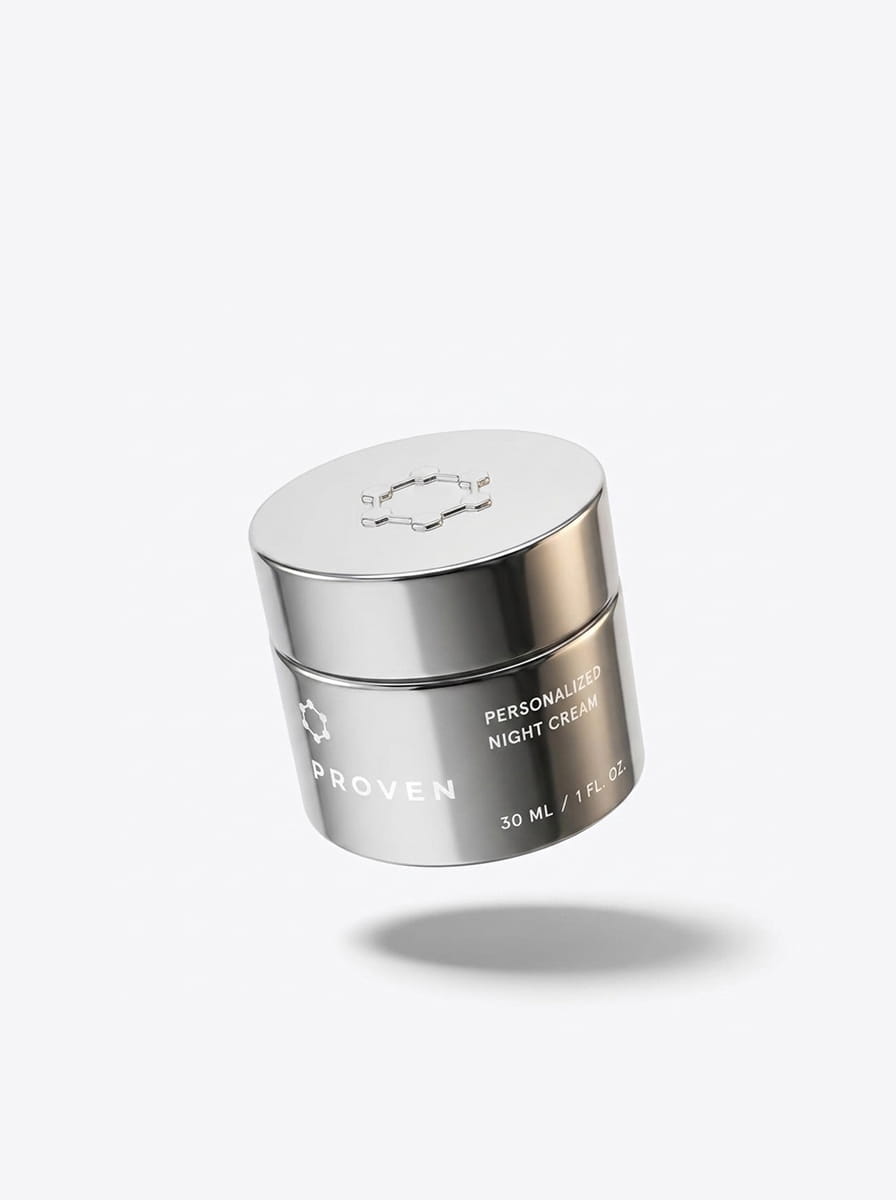
Personalized Night Cream
Overnight repair with the active ingredients your skin needs most.
25% off first order + 15% off subscription bonusTake the 3-min quiz
Clinically proven. Consciously made.
In a 28-day clinical study, 87% noted softer skin, 94% noted smoother skin, and 81% noted a brighter complexion.
Always cruelty-free. Never formulated with phthalates, parabens, SLS, or formaldehyde.
Formulated and filled in an FDA-approved US laboratory. Made stateside, end to end.
Getting the most from glycolic acid
As the smallest AHA, glycolic acid works fast, so start slow and let it do the exfoliating for you.
- Start a few times a week Begin with a cleanser or lotion at 2 to 5 percent, used a few times weekly. As your skin adjusts, you can build toward every other night or nightly.
- Save it for evening Glycolic acid does its best work at night, when skin is in repair mode. Skip it on mornings before long stretches of direct sun.
- Commit to sunscreen This AHA increases your skin’s sensitivity to sunlight. Daily broad-spectrum sunscreen protects the fresh, newly exfoliated surface it reveals.
- Read the tingle A slight tingling is a normal sign it is working. Burning, stinging, or peeling means the concentration is too high, so ease back.
- Alternate with retinoids Glycolic acid pairs beautifully with hyaluronic acid, ceramides, and vitamin C, but layering it with retinoids can over-irritate skin. Use those two on alternating days.
Real results
Real results, real people.
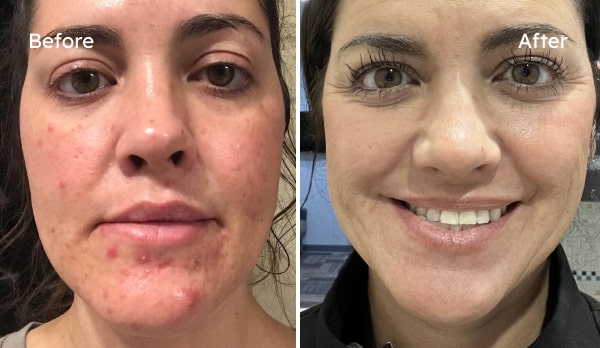
“It’s so clear and I can go without makeup and it looks amazing. I used to be so ashamed to walk around with no makeup, had terrible acne! This has been a game changer for me!”
Persistent inflammatory acne + barrier disruption = gentle sebum balance + barrier rebuild system.
1 of 6