

It refines the skin, making it smoother, creating a more even skin tone, a brighter appearance, and gives you radiant skin from within.

INGREDIENT
Vitamin C for Skin
The benefits of Vitamin C for skin are well-researched and documented. This powerful antioxidant protects against damaging free radicals caused by UV radiation that lead to finelines, loss of elasticity, and other premature signs of aging.
- 4.7 ★50,000+ reviews
- Clinically proven28-day independent study
- MIT AI IdolTechnology of the year
- 2 U.S. patentsPersonalization first
What is vitamin C?
Vitamin C (L-ascorbic acid) is an essential nutrient that plays an important role in tissue regeneration, collagen synthesis, and protein metabolism. Humans are unable to make this water-soluble vitamin and must get it through dietary consumption or oral supplements. Healthy skin needs high concentrations of it, which neutralizes and eliminates oxidants caused by environmental pollutants, smoking, and sun exposure. Severe deficiencies of L-ascorbic acid can result in impaired wound healing, bruising, dry skin, fatigue, bleeding gums, and a generally weakened immune system.
What are the skin benefits of vitamin C?
The most significant anti-aging benefits of Vitamin C for the face are seen with topical application versus oral supplements. Clinical studies have shown that topical L-ascorbic acid increases collagen production, decreases melanin formation, and has the potential to diminish wrinkles and fine lines. It helps the skin heal itself and stay plump and firm by accelerating elastin and collagen synthesis. This clinically proven skincare ingredient fades hyperpigmentation, speeds wound healing and helps prevent dry skin texture by strengthening the skin barrier function.
Pollution Protection
Helps fight the effects of pollution on your skin. Polluted air contains small nanoparticles which cause premature aging. Clinical studies show that people with low pollution exposure levels have brighter, healthier, more radiant looking skin.
High UV Exposure
Keeps your skin healthy even if you spend a lot of time in the sun. The sun's heat dries out areas of unprotected skin and ultraviolet (UV) radiation can cause burning and photoaging.
High Stress
Helps counter the effect of high stress on your skin. Living with too much stress ramps up your body's production of cortisol—and wreaks havoc on your skin.
Helps with these skin concerns
Vitamin C helps with the following skin texture concerns
Vitamin C helps with these skin types
Dry skin
Vitamin C helps prevent dry skin by strengthening the skin barrier function.
Normal skin
Vitamin C diminishes wrinkles and fine lines and helps the skin stay plump and firm.
Calibrated for every age
It is a perfect fit to address the primary skin care concerns of people in their 20s and early 30s. Make it a part of your regular skin care routine for healthy, beautiful skin.
This is a great time to make it a part of your skincare routine as you start thinking about incorporating more ingredients with anti-aging benefits.
It is a great bet for consistent, everyday incorporation in your skincare routine as it not only will tighten up your anti-aging regimen but also help you achieve firmer, more youthful skin.
As skin matures, it tends to lose hydration and feel dry. This helps hydrate and plump the skin, reducing the appearance of fine lines and wrinkles.
Works well with these other ingredients
<p>In terms of protection from UV rays, Vitamin C works well with other antioxidant agents such as Vitamin E. It also pairs nicely with hyaluronic acid, ferulic acid, and green tea extract. If you are using Vitamin A derivatives like retinoids, be sure to use those at night and Vitamin C skincare products in the morning to avoid irritation.</p>
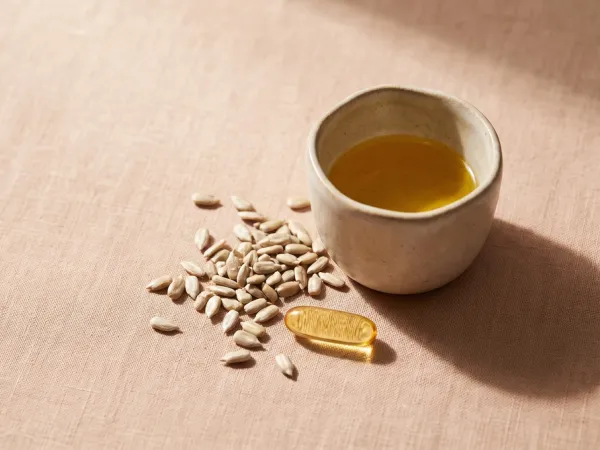

Usage guide
How to use vitamin C?
Vitamin C oxidizes rapidly, which means it breaks down when exposed to air or light. Be mindful of proper storage and discard if the product turns a dark yellow. If you are new to this active, start with a low concentration (5% or less) and gradually work your way up to the maximum of 20% l-ascorbic acid. Those with normal to oily skin will benefit from L-ascorbic acid, while drier skin types may experience less irritation with magnesium ascorbyl phosphate, another version of Vitamin C.
When to use vitamin C?
A vitamin C skincare product can be used twice daily, especially prior to sun exposure, to mitigate the effects of free radical damage. While this antioxidant does confer UV protection, always finish with a broad-spectrum SPF 35 or greater. Give yourself at least 8-12 weeks to see the skin brightening and anti-aging effects of it. We recommend continued use of vitamin C for wrinkles and fine lines, acne scars, dullness, dark spots, and suppleness.
What is vitamin C found in?
Foods high in Vitamin C include citrus fruits, green leafy vegetables, cherries, kiwis,strawberries, bell peppers, papaya, parsley, and broccoli. Pure ascorbic acid is often incorporated into serums, foaming cleansers, moisturizers, andsunscreens, however not all preparations contain a bio-available version of Vitamin C.
Is vitamin C suitable for sensitive skin?
Yes, in lower concentrations. If your skin is sensitive or prone to conditions like eczema orrosacea, you can still benefit from Vitamin C serums, but try a test area first. Sensitive skin maydo better with Vitamin C products enriched with glycerin, hyaluronic acid, and other soothingingredients.
Things to keep in mind
Vitamin C side effects
Possible side effects of topical Vitamin C include stinging, redness, itching, and tingling. These side effects are usually temporary and disappear as the skin acclimates or with lower topical concentrations.
Ingredients to avoid with vitamin C
Find out if you need vitamin C
Vitamin C is a tried and true skincare ingredient that brightens, smooths, and protects. This potent antioxidant enhances radiance and keeps signs of photo-aging at bay. Is Vitamin C your key to revitalized skin? Find out by taking the PROVEN Skincare Quiz™ today to find your formula.
The PROVEN system
Your personalized system
A cleanser, day moisturizer, and night cream — calibrated to your skin from the 3-step Skin Genome Quiz.
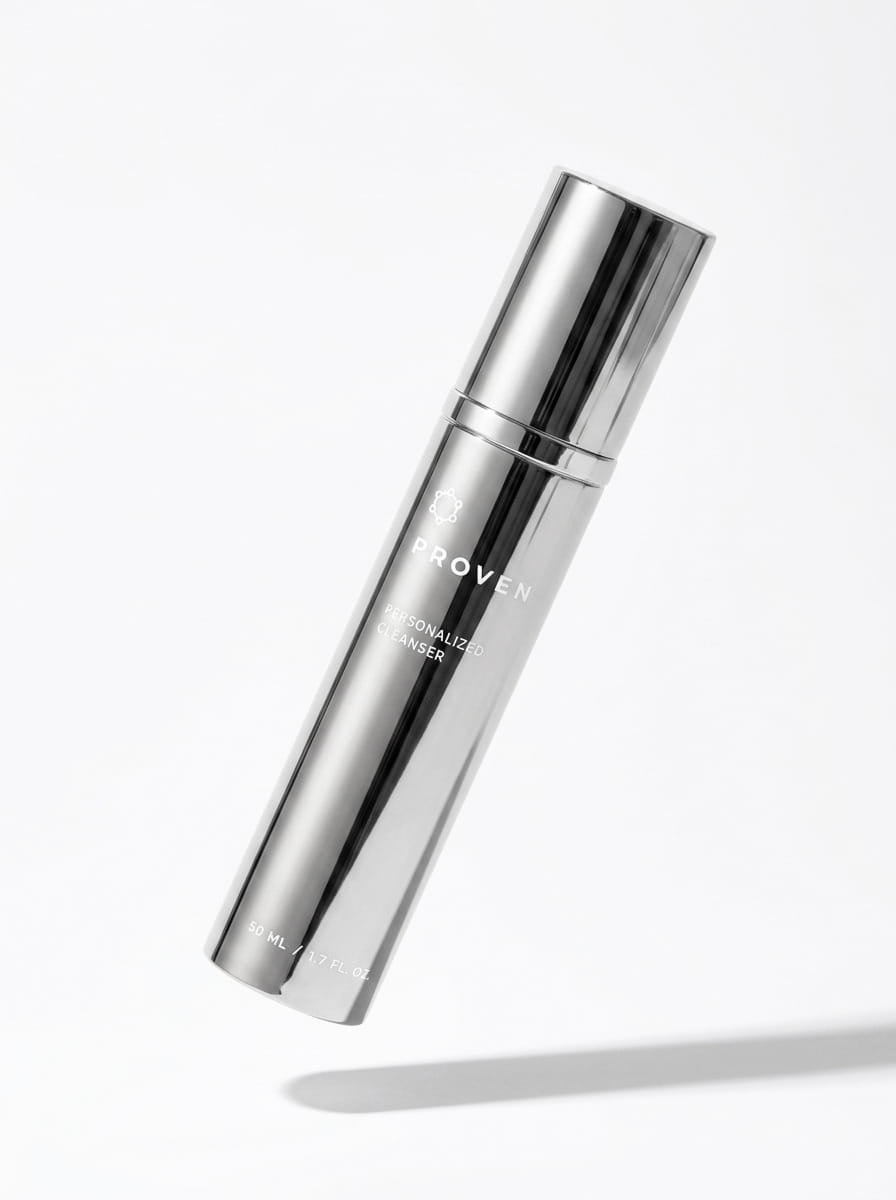
Personalized Cleanser
A gentle wash with exfoliating and toning properties — calibrated to your skin.
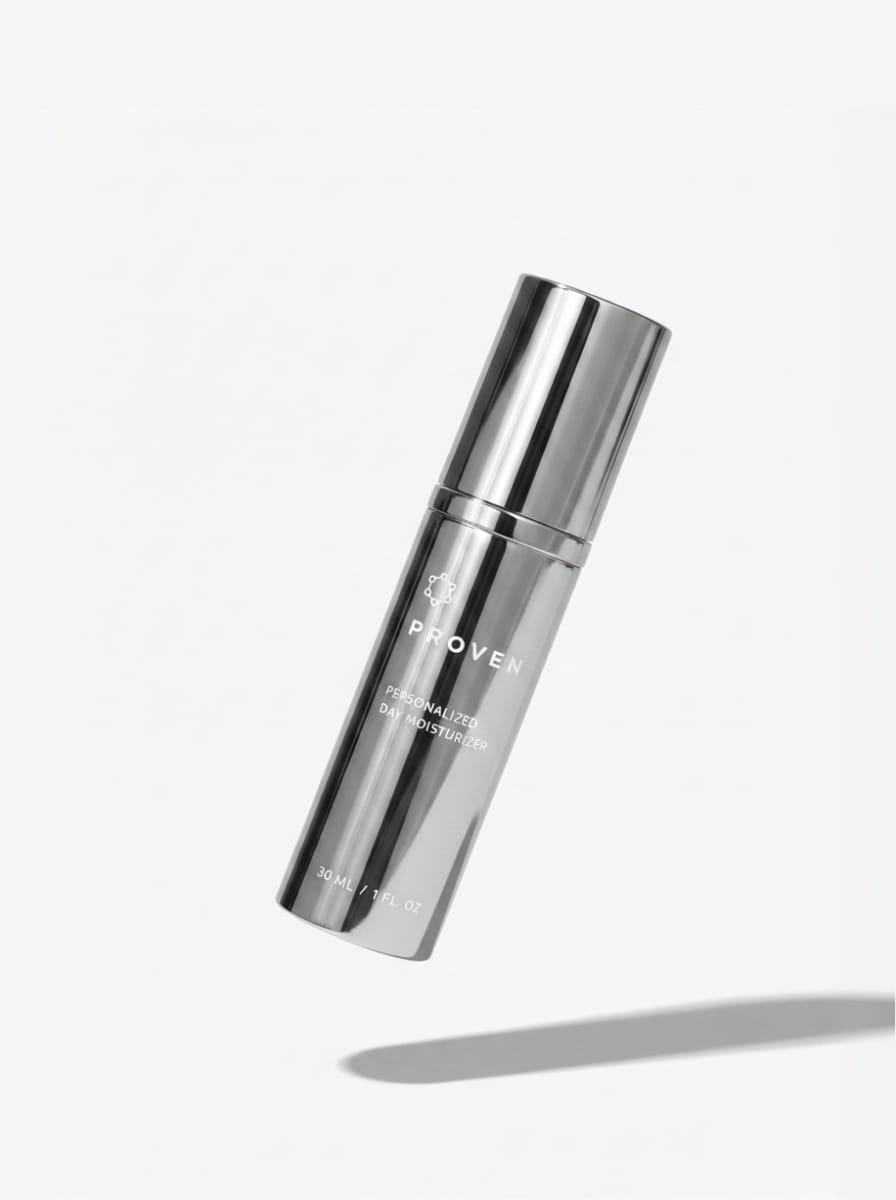
Personalized Day Moisturizer
Lightweight daytime hydration — formulated for your skin.
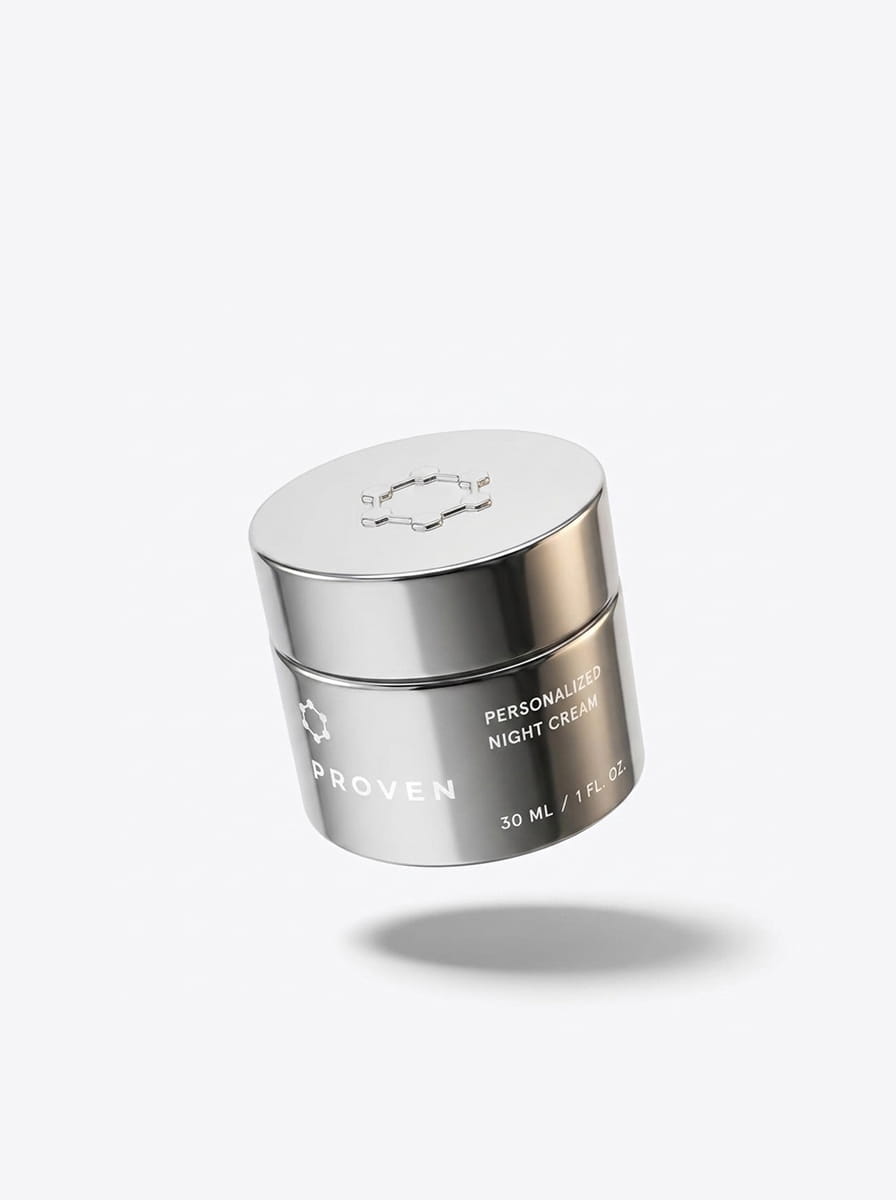
Personalized Night Cream
Overnight repair with the active ingredients your skin needs most.
25% off first order + 15% off subscription bonusTake the 3-min quiz
Clinically proven. Consciously made.
In a 28-day clinical study, 87% noted softer skin, 94% noted smoother skin, and 81% noted a brighter complexion.
Always cruelty-free. Never formulated with phthalates, parabens, SLS, or formaldehyde.
Formulated and filled in an FDA-approved US laboratory. Made stateside, end to end.
Getting the most from vitamin C
Vitamin C is potent but delicate, so how you store and layer it matters as much as the dose.
- Store it away from light Vitamin C oxidizes quickly when exposed to air or light. Keep it sealed and cool, and discard the product if it turns dark yellow.
- Start low, build up If you are new to the active, begin at 5 percent or less and work up gradually toward 20 percent L-ascorbic acid. Drier or sensitive skin often does better with magnesium ascorbyl phosphate, a gentler form.
- Always finish with SPF Vitamin C offers some UV defense, but it is designed to work alongside sun protection, not replace it. Layer a broad-spectrum SPF 35 or higher over it every morning.
- Give it time Allow 8 to 12 weeks of consistent use to see the brightening and smoothing effects. Applied twice daily, it helps fade the look of dark spots and protects against free-radical damage.
- Layer with vitamin E and HA Vitamin C pairs well with vitamin E, hyaluronic acid, and vitamin A. On sensitive skin, formulas buffered with glycerin or hyaluronic acid tend to feel more comfortable.
Real results
Real results, real people.
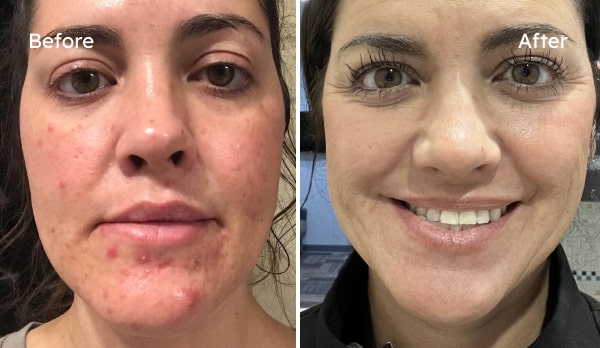
“It’s so clear and I can go without makeup and it looks amazing. I used to be so ashamed to walk around with no makeup, had terrible acne! This has been a game changer for me!”
Persistent inflammatory acne + barrier disruption = gentle sebum balance + barrier rebuild system.
1 of 6