

Keeps your skin healthy even if you spend a lot of time in the sun. The sun's heat dries out areas of unprotected skin and ultraviolet (UV) radiation can cause burning and photoaging.
INGREDIENT
Kojic Acid for Skin
Kojic acid is a naturally-derived ingredient that inhibits melanin production in the skin and actsas a potent antioxidant to prevent free radical damage from UV exposure.
- 4.7 ★50,000+ reviews
- Clinically proven28-day independent study
- MIT AI IdolTechnology of the year
- 2 U.S. patentsPersonalization first
What is kojic acid?
It is a fungal metabolite of several different bacteria species, particularly aspergillus oryzae,traditionally used in Japan to ferment sake, miso, and soy sauce. Unlike other acids that exfoliate and dissolve bonds between skin cells, kojic acid blocks tyrosinase activity, hinderingpigment production. It has been used as a cosmetic skin lightening agent for decades and is an effective and less aggressive alternative to hydroquinone.
What are the benefits of kojic acid?
The biggest benefit of kojic acid is its lightening effect on the skin. It can help reduce the appearance of hyperpigmentation, sun damage, and melasma-- a darkening of the skin due to hormonal changes. Kojic acid products can reduce the appearance of acne scars, skin trauma,and other irritation. Moreover, early studies indicate it can suppress wrinkle formation in addition to its anti-microbial properties.
Helps with these skin concerns
Helps with these environmental & lifestyle factors
Protects against HEV Blue light’s digital pollution. When you spend a lot of time in front of a screen, blue light can rob the skin of healthy collagen levels. Continued exposure can cause worsening of melasma, skin discoloration, fine lines or, in some cases, an increased risk of melanoma, or skin cancer.
Helps fight the effects of pollution on your skin. Polluted air contains small nanoparticles which cause premature aging. Clinical studies show that people with low pollution exposure levels have brighter, healthier, more radiant looking skin.
Calibrated for every age
It refines the skin, making it smoother, creating a more even skin tone, a brighter appearance, and gives you radiant skin from within.
It is a perfect fit to address the primary skin care concerns for people in their 20s and early 30s. Make it a part of your regular skin care routine for healthy, beautiful skin.
This is a great time to make it a part of your skincare routine as you start thinking about incorporating more ingredients with anti-aging benefits.
It is a great bet for consistent, everyday incorporation in your skincare routine as it not only will tighten up your anti-aging regimen but also help you achieve firmer, more youthful skin.
As skin matures, it tends to lose hydration and feel dry. This helps hydrate and plump the skin, reducing the appearance of fine lines and wrinkles.
Works well with these other ingredients
Kojic acid works well with other skin depigmenting and anti-inflammatory ingredients such as tranexamic acid, glycolic acid, papaya enzymes, and niacinamide. Skin brightening serums may contain kojic acid along with antioxidants like Vitamin C for a synergistic effect.
Usage Guide
How to use kojic acid?
Depending on your skin concerns, kojic acid can be used in a variety of forms andconcentrations, along with other actives. Do not apply to damaged or broken skin, and the bestway to avoid irritation is to start low and slow-- just once a week until your skin acclimates.
When to use kojic acid?
Kojic acid is an effective treatment for hyperpigmentation, melasma, sun spots, acne scar therapy, and uneven skin tone. This skin lightening ingredient is safe to use twice daily for most skin types.
What is kojic acid found in?
Kojic acid is found in skincare products for both face and body, in the form of cleansers, serums,creams, lotions, and face masks.
Is kojic acid suitable for sensitive skin?
Kojic acid is considered to have a high sensitizing potential-- meaning it might be irritating for those with sensitive skin. However, concentrations of up to 1% can help reduce the risk of irritation.
Kojic acid side effects
Kojic acid is well-tolerated by most skin types, but the most common side effects are redness and burning. Although rare, it can also cause contact dermatitis-- an allergic reactioncharacterized by a rash, inflammation, and itchiness. Consistent use of kojic acid makes the skin more vulnerable to sunburn, so always pair with a quality broad-spectrum sunscreen.
Ingredients to avoid with alpha hydroxy acid
Alpha hydroxy acid works well with a range of other skincare ingredients. However, certaincombinations are not advisable. AHA combined with Vitamin C or Retinol are two suchcombinations. Vitamin C is an antioxidant with a sensitive pH level may be altered when mixed with an AHA,thereby reducing its effectiveness. Also, because both ingredients promote exfoliation and cell turnover, irritation might occur with a double dose. The issue with AHA and Retinol is similar to the interaction with Vitamin C. Retinol also tends to become neutralized when it meets with the oxidizing effect of the alpha hydroxy acid. Because both ingredients are exfoliating acids, the risk of irritation is greater when these ingredients areused alone.
Find out if you need kojic acid
The best way to determine if your skin can benefit from kojic acid is to take the PROVEN skin quiz. We use AI to formulate personalized skincare products based on your skin type, stresslevels, age, environment, and skin concerns.
The PROVEN system
Your personalized system
A cleanser, day moisturizer, and night cream — calibrated to your skin from the 3-step Skin Genome Quiz.
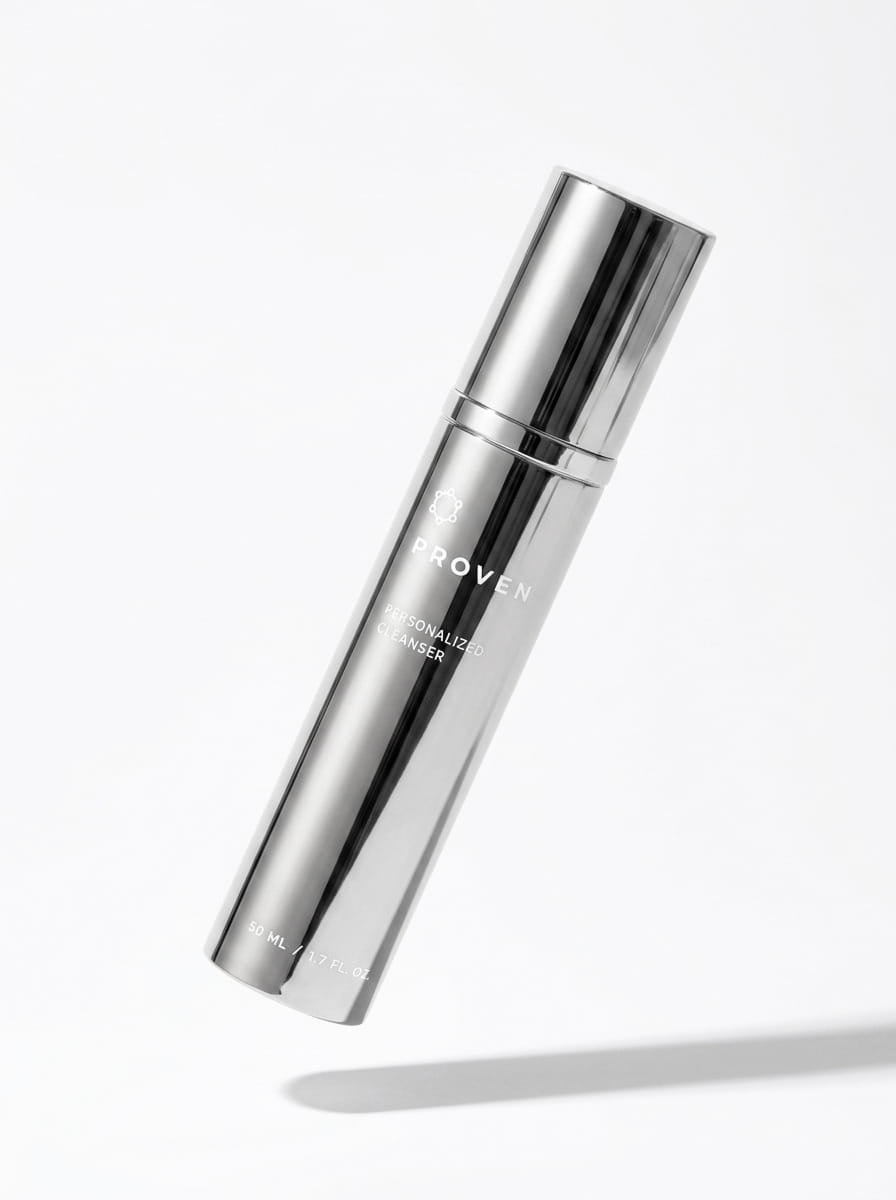
Personalized Cleanser
A gentle wash with exfoliating and toning properties — calibrated to your skin.
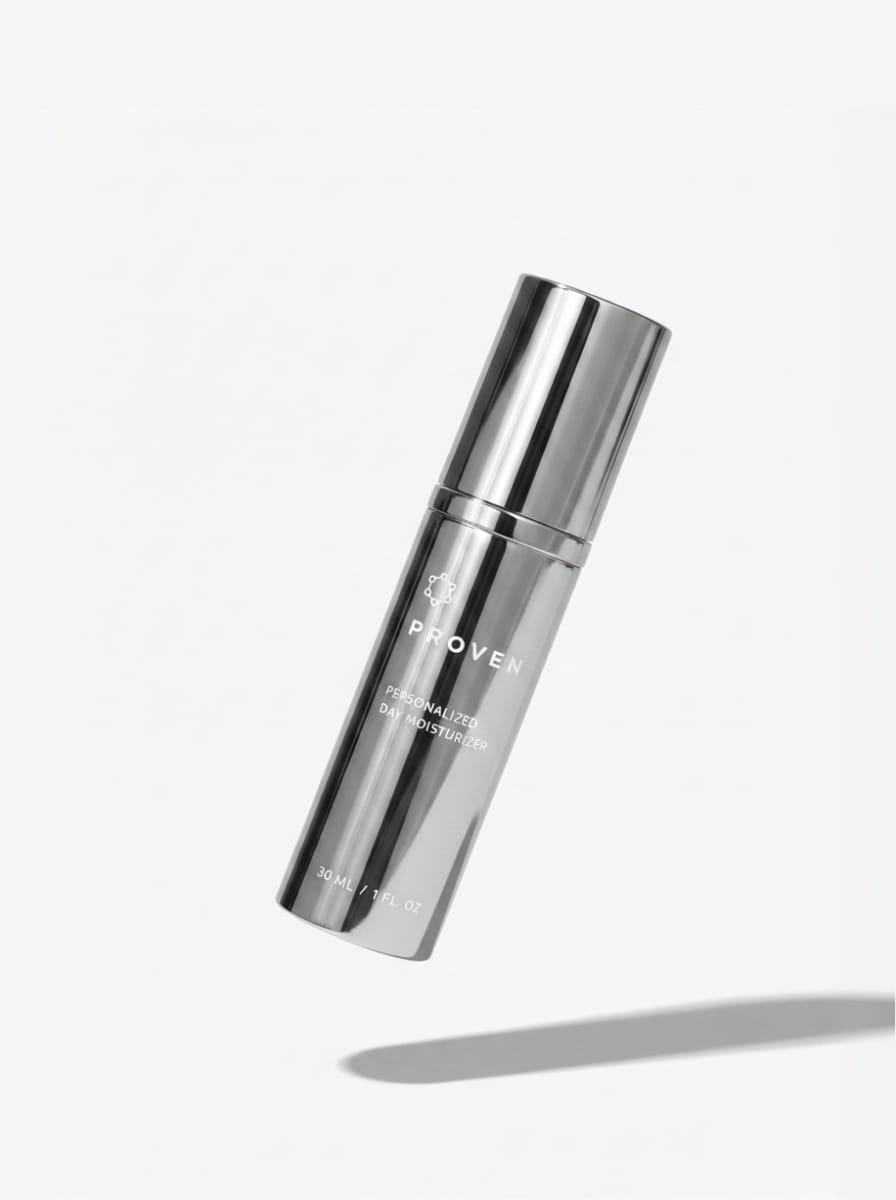
Personalized Day Moisturizer
Lightweight daytime hydration — formulated for your skin.
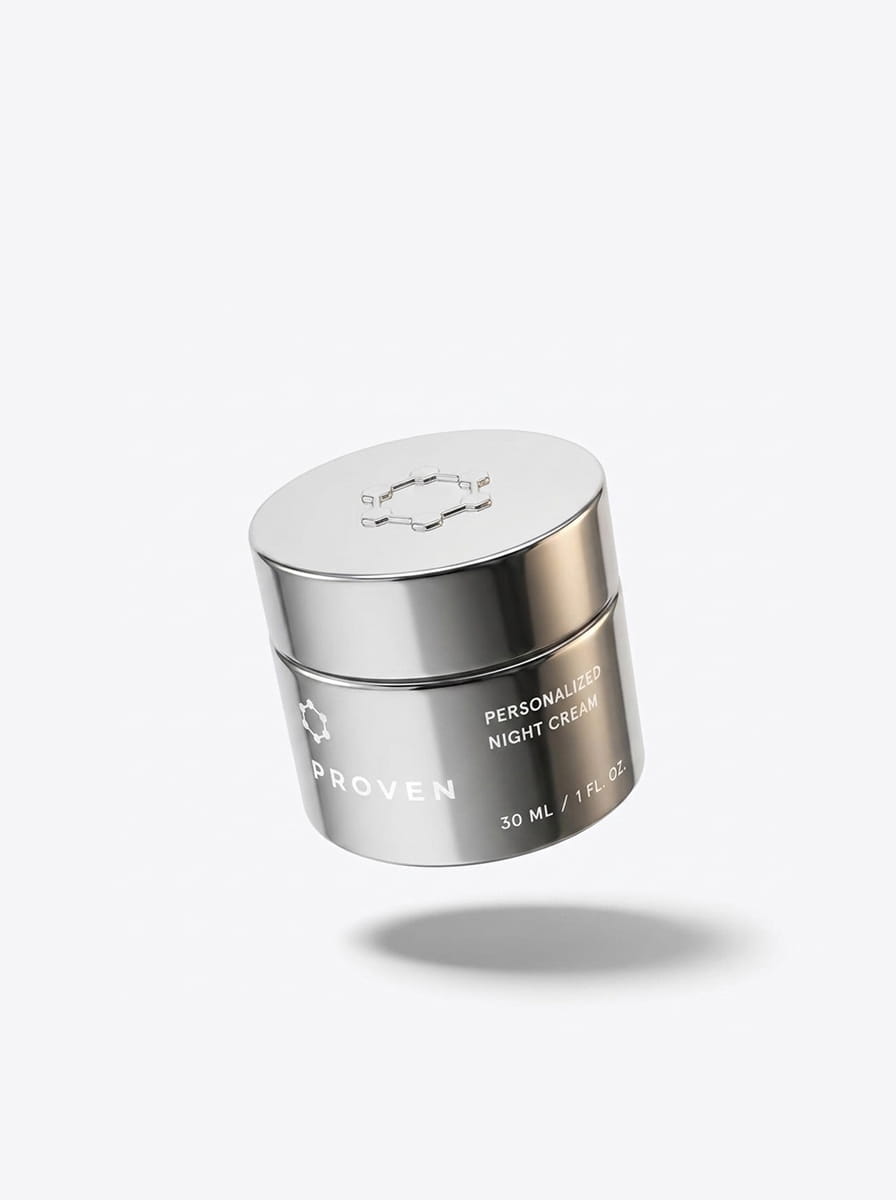
Personalized Night Cream
Overnight repair with the active ingredients your skin needs most.
25% off first order + 15% off subscription bonusTake the 3-min quiz
Clinically proven. Consciously made.
In a 28-day clinical study, 87% noted softer skin, 94% noted smoother skin, and 81% noted a brighter complexion.
Always cruelty-free. Never formulated with phthalates, parabens, SLS, or formaldehyde.
Formulated and filled in an FDA-approved US laboratory. Made stateside, end to end.
Getting the most from kojic acid
A brightening agent that blocks the enzyme behind dark spots — here’s how to help kojic acid even your tone without irritating your skin.
- Start low and slow Begin with once a week and let your skin acclimate before using more often. Kojic acid has a high sensitizing potential, so easing in keeps irritation down.
- Never skip sunscreen Consistent kojic acid use leaves skin more vulnerable to sunburn, so pair it with a quality broad-spectrum SPF. Sun protection also keeps the dark spots you’re fading from coming back.
- Keep the concentration modest Levels up to 1% help reduce the risk of redness and burning. More isn’t better here, especially on sensitive skin, and never apply it to broken skin.
- Pair it with niacinamide Layered with niacinamide or tranexamic acid, kojic acid compounds the work on hyperpigmentation, melasma, and acne scars. Together they’re designed to address uneven tone from more than one angle.
- Give it a few weeks By blocking melanin production, kojic acid fades discoloration gradually rather than overnight. Consistent use is what makes sun spots and dark marks lift over time.
Real results
Real results, real people.
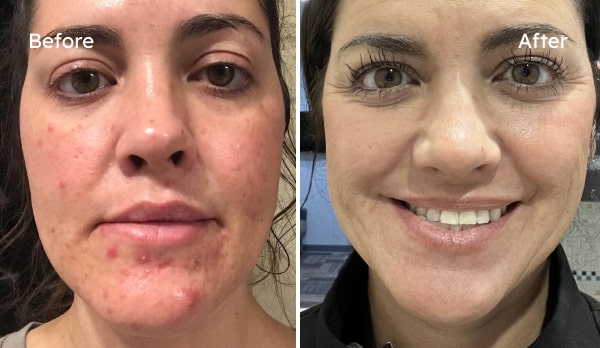
“It’s so clear and I can go without makeup and it looks amazing. I used to be so ashamed to walk around with no makeup, had terrible acne! This has been a game changer for me!”
Persistent inflammatory acne + barrier disruption = gentle sebum balance + barrier rebuild system.
1 of 6