

Cuts through the mineral deposits to lessen hard water’s effects on your skin. Hard water causes accumulation of soap scum and minerals which break down the lipid barriers that protect our skin and trigger chronic dryness, clogged pores, inflammation and rosacea.
INGREDIENT
Peptides for Skin
Peptides are among the most talked-about ingredients in anti-aging skincare, as they directly affect dermal metabolism and influence collagen synthesis.
- 4.7 ★50,000+ reviews
- Clinically proven28-day independent study
- MIT AI IdolTechnology of the year
- 2 U.S. patentsPersonalization first
What are peptides?
Peptides, also called polypeptides, are strings of short-chain amino acids that are the basic building blocks of protein. They are responsible for producing the skin's collagen and elastin. Inthe realm of skincare, there are four main types of peptides: enzyme inhibitors, carrierpeptides, signal peptides, and neurotransmitter peptides. This last category, which includesacetyl hexapeptide (Argireline), weaken the contraction of muscles that control facialexpressions-- not unlike Botox. Peptides can penetrate deeply into the skin's outermost layer,the stratum corneum, where they can target different cells.
What are the benefits of peptides?
The key benefits of peptides for skin include:
- Improves skin elasticity and firmness
- Reduction in the appearance of wrinkles and fine lines
- Fades irregular skin pigmentation and dark spots
- Triggers collagen synthesis
- Photoprotection by inhibiting melanin production
- Strengthens skin barrier
- Decreases breakdown of collagen and elastin
- Kills acne-causing bacteria
- Reduces inflammation
- Locks in moisture for better skin hydration
Peptides help with these skin types
Dry Skin
Peptides lock in the moisture in your skin to keep it well hydrated.
Normal Skin
Peptides decrease the breakdown of collagen and elastin, keeping your skin firm, smooth and supple.
Helps with these environmental & lifestyle factors
Helps counter the effect of high stress on your skin. Living with too much stress ramps up your body's production of cortisol—and wreaks havoc on your skin.
Helps fight the effects of pollution on your skin. Polluted air contains small nanoparticles which cause premature aging. Clinical studies show that people with low pollution exposure levels have brighter, healthier, more radiant looking skin.
Calibrated for every age
It refines the skin, making it smoother, creating a more even skin tone, a brighter appearance, and gives you radiant skin from within.
It is a perfect fit to address the primary skin care concerns for people in their 20s and early 30s. Make it a part of your regular skin care routine for healthy, beautiful skin.
This is a great time to make it a part of your skincare routine as you start thinking about incorporating more ingredients with anti-aging benefits.
It is a great bet for consistent, everyday incorporation in your skincare routine as it not only will tighten up your anti-aging regimen but also help you achieve firmer, more youthful skin.
As skin matures, it tends to lose hydration and feel dry. This helps hydrate and plump the skin, reducing the appearance of fine lines and wrinkles.
Works well with these other ingredients
When it comes to skin brightening and anti-aging benefits-- these protein builders work well with Vitamin C, resveratrol, hyaluronic acid, niacinamide, retinoids, ceramides, and glycerin.
 01 / 06Key active
Hyaluronic Acid
Binds to water to deliver instant hydration
 02 / 06
Ceramides
Allow the skin to stay moist and hydrated, and protect the skin’s barrier protection
 03 / 06
Vitamin C
<p>A brightening, firming antioxidant that promotes collagen production and helps fade dark spots and discoloration</p>
 04 / 06
Niacinamide
Reduces the size of pores, redness and dark spots
 05 / 06
Retinoids
Increases cellular turnover, thickens deeper layers of skin where wrinkles first develop, boosts collagen and elastin production
 06 / 06
Glycerin
A plant-based humectant that hydrates, moisturizes and soothes the skin barrier
Usage guide
How to use peptides?
This is determined by your skin type and specific concerns-- since each type of peptide targets different functions, ranging from collagen fiber organization and skin elasticity to wound healing.
When to use peptides?
For hydrated, supple, and photo-protected skin, peptides should be applied twice daily, during morning and evening skincare routines. Peptide-enhanced formulas are also beneficial post- laser or needling treatments, as they help strengthen the skin and support faster recovery.
What are peptides found in?
Peptides are often infused in topical serums, moisturizers, rehydrating eye creams, and masks.
Are peptides suitable for sensitive skin?
Since our bodies naturally produce peptides, they are suitable for sensitive skin. In fact, these short-chain amino acids are recommended for all ages and skin types.
Things to keep in mind
Peptides side effects
Adverse side effects from peptides are uncommon. As always, when trying a skincare ingredient for the first time, do a patch test before integrating it into your daily routine.
Ingredients to avoid with peptides
Do not use alpha-hydroxy acids (AHAs) like glycolic acid at the same time as peptides, as this will compromise the ingredient's efficacy.
Find out if you need peptides
Should peptides be a part of your skincare routine? This collagen-boosting ingredient has numerous benefits, but peptides alone are not going to address every skincare concern. For aholistic skin cleansing, moisturizing, and protecting regimen-- personalized to your needs, takethe PROVEN skin quiz.skin quiz.
The PROVEN system
Your personalized system
A cleanser, day moisturizer, and night cream — calibrated to your skin from the 3-step Skin Genome Quiz.
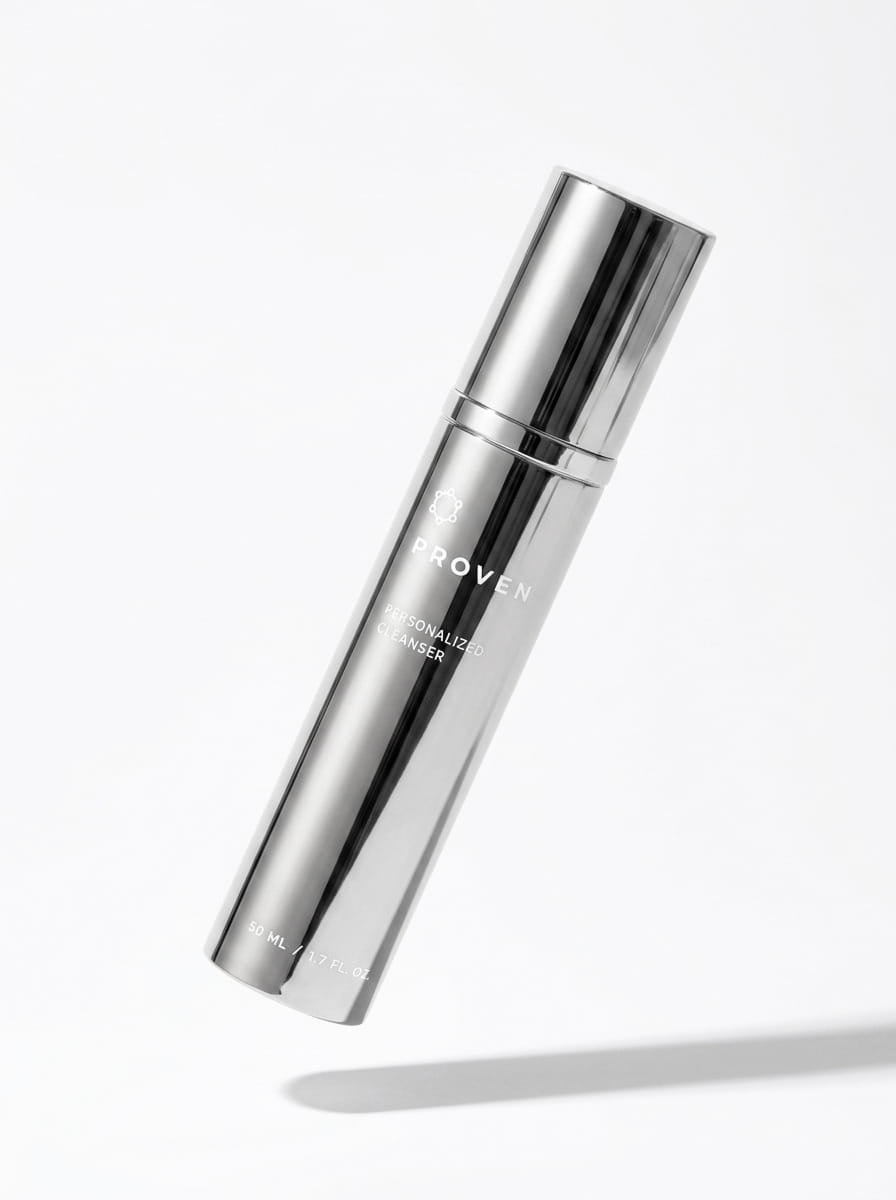
Personalized Cleanser
A gentle wash with exfoliating and toning properties — calibrated to your skin.
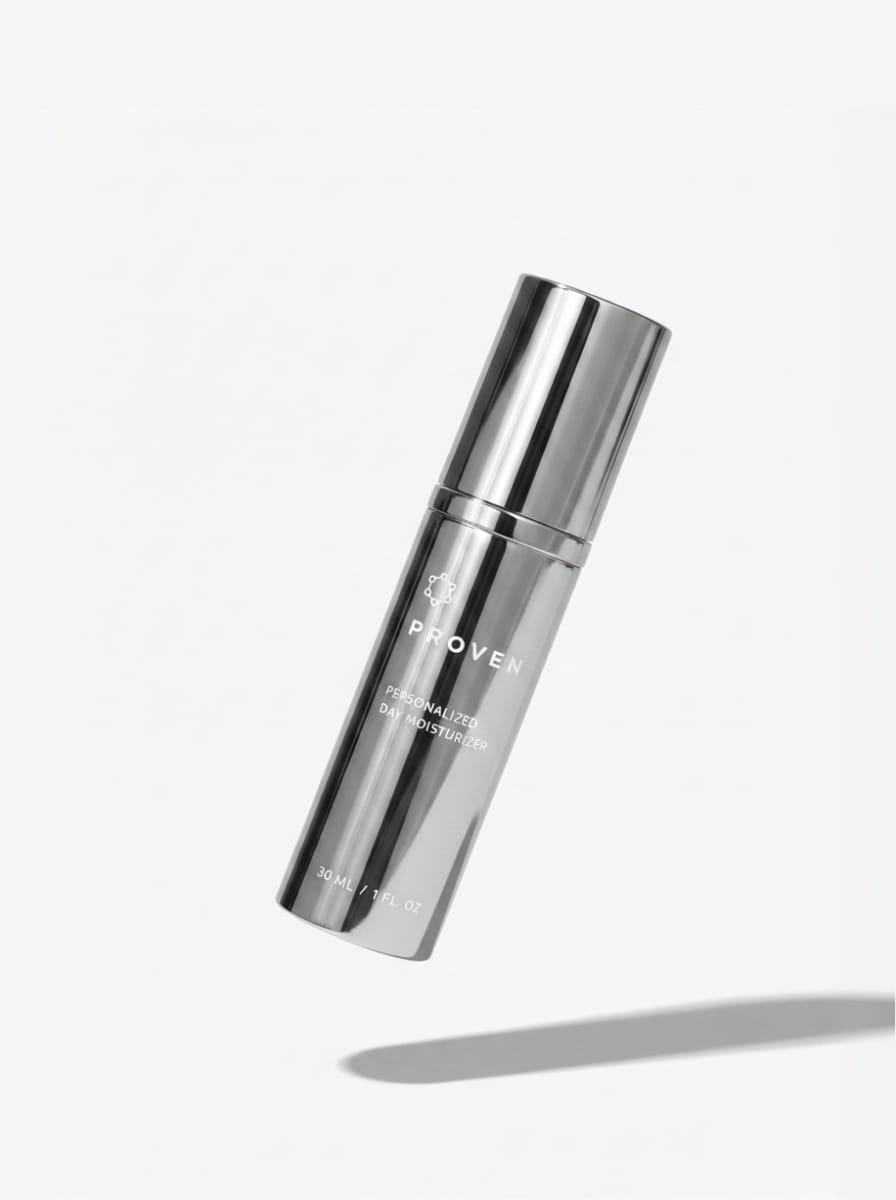
Personalized Day Moisturizer
Lightweight daytime hydration — formulated for your skin.
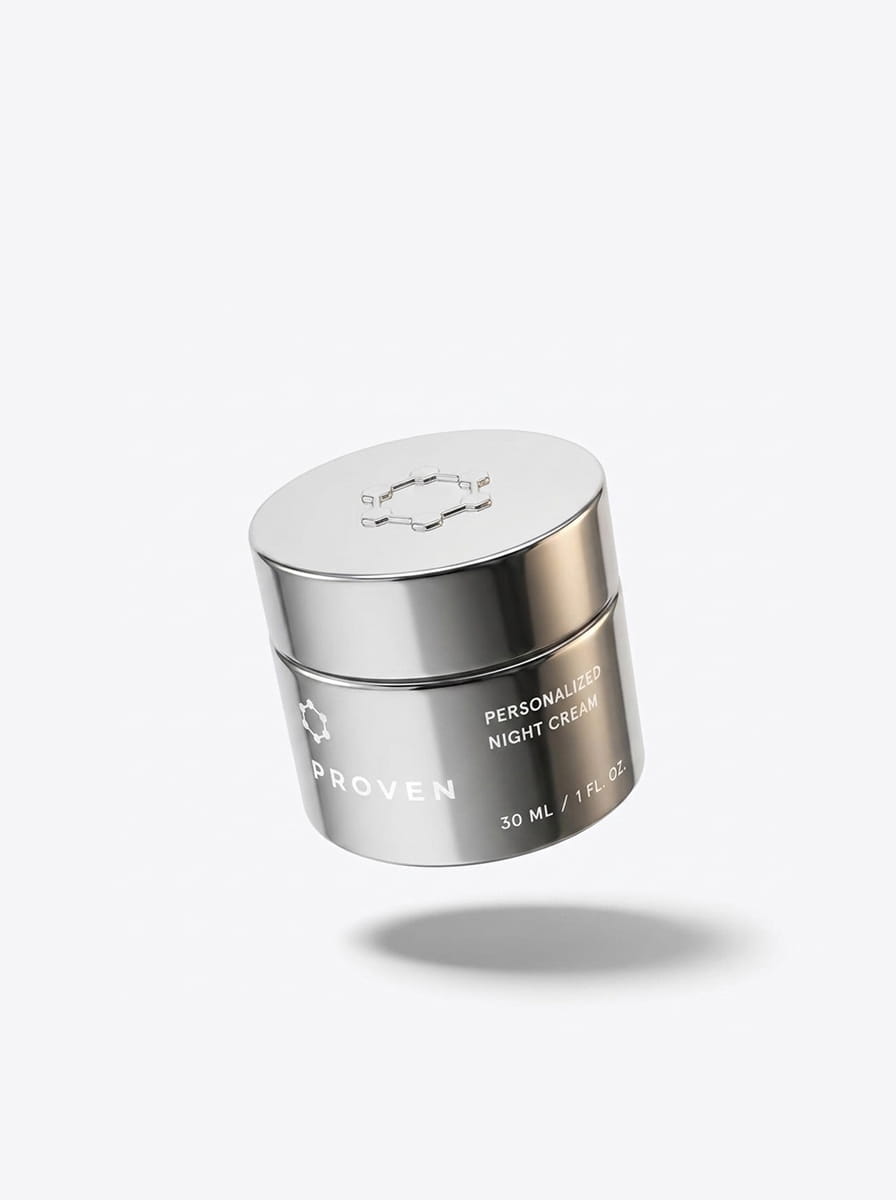
Personalized Night Cream
Overnight repair with the active ingredients your skin needs most.
25% off first order + 15% off subscription bonusTake the 3-min quiz
Clinically proven. Consciously made.
In a 28-day clinical study, 87% noted softer skin, 94% noted smoother skin, and 81% noted a brighter complexion.
Always cruelty-free. Never formulated with phthalates, parabens, SLS, or formaldehyde.
Formulated and filled in an FDA-approved US laboratory. Made stateside, end to end.
Getting the most from peptides
Peptides are the short-chain amino acids behind collagen and elastin. Consistency and a little sequencing matter most.
- Apply morning and night Peptides work best used twice daily, so fold them into both routines. Consistent use is what helps support firmer, more elastic-looking skin over time.
- Separate from your AHAs Don’t layer peptides with glycolic acid or other AHAs in the same step, since the acidity can blunt their effect. Use them at different times of day.
- Reach for them after treatments Peptide formulas are useful following laser or microneedling, when they help strengthen skin and support recovery. Check with your provider on timing.
- Trust them on sensitive skin Your body already makes peptides, so they suit sensitive skin and every age. That makes them an easy addition for reactive complexions.
- Let the quiz place them Peptides are designed to address firmness and fine lines, but they won’t cover every concern on their own. The Skin Genome Quiz weighs 47 factors to build your personalized formula.
Real results
Real results, real people.
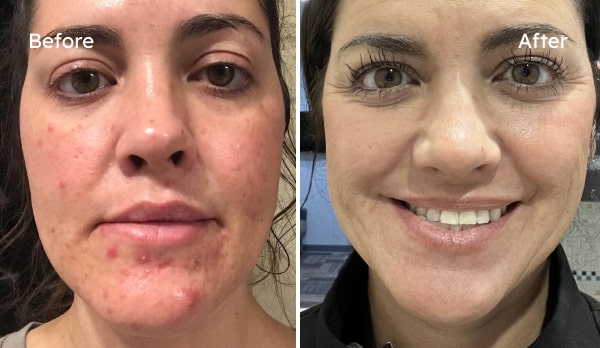
“It’s so clear and I can go without makeup and it looks amazing. I used to be so ashamed to walk around with no makeup, had terrible acne! This has been a game changer for me!”
Persistent inflammatory acne + barrier disruption = gentle sebum balance + barrier rebuild system.
1 of 6