

Keeps your skin hydrated and supple by locking in moisture even if you live in a region with dry air. Air that lacks humidity tends to dry skin out and cause itching, flaking or cracking of the skin.

INGREDIENT
Vitamin A for Skin
Vitamin A and its derivatives are chief ingredients in the treatment of mature and photo-aged skin. This organic compound functions at the molecular level and is important for healthy vision, metabolic processes,immune system function, and healthy cell renewal.
- 4.7 ★50,000+ reviews
- Clinically proven28-day independent study
- MIT AI IdolTechnology of the year
- 2 U.S. patentsPersonalization first
What is vitamin A?
Vitamin A is a fat-soluble vitamin that includes several compounds,including retinol, retinoic acids, and beta-carotene. Vitamin A is one of themost researched ingredients for skin regeneration and acne treatment--and has been used in cosmetic skincare products since the early 1980s. Vitamin A and retinoids regulate cell growth and division, thicken the epidermis, and stimulate collagen production-- a protein that naturallydeclines with age.
What are the benefits of vitamin A?
Long-term studies have established the benefits of Vitamin A for acne treatment and skin rejuvenation. Whether used as a cream, serum, or gel,this ingredient penetrates deep into the dermis and, with continued use,normalizes oil production, improves skin firmness, and reduces the appearance of fine lines and wrinkles. By boosting cellular turnover,Vitamin A also treats hyperpigmentation and effectively keeps skin smooth and radiant.
Vitamin A helps with these skin types
Dry skin
Vitamin A boost the creation and repair of skin cells. It's very hydrating. Not getting enough vitamin A can further dry out dry skin and cause eczema and other skin problems.
Normal skin
Vitamin A promotes the production of healthy cells. It strengthens the outer layer of the skin and increaes protection from external factors like infections, bacteria and pollution.
Oily skin
Vitamin A helps exfoliate dead skin cells and unclogs pores that are common in oily skin. It is also good for treating acne.
Helps with these environmental & lifestyle factors
Keeps your skin as its best even when you are jet-setting around the world. It prevents acne and redness flare-ups triggered by travel stress and fights skin dryness caused by cabin air.
Helps fight the effects of pollution on your skin. Polluted air contains small nanoparticles which cause premature aging. Clinical studies show that people with low pollution exposure levels have brighter, healthier, more radiant looking skin.
Calibrated for every age
It refines the skin, making it smoother, creating a more even skin tone, a brighter appearance, and gives you radiant skin from within.
It is a perfect fit to address the primary skin care concerns for people in their 20s and early 30s. Make it a part of your regular skin care routine for healthy, beautiful skin.
This is a great time to make it a part of your skincare routine as you start thinking about incorporating more ingredients with anti-aging benefits.
It is a great bet for consistent, everyday incorporation in your skincare routine as it not only will tighten up your anti-aging regimen but also help you achieve firmer, more youthful skin.
As skin matures, it tends to lose hydration and feel dry. This helps hydrate and plump the skin, reducing the appearance of fine lines and wrinkles.
Works well with these other ingredients
Vitamin A derivatives are available in a range of concentrations and formulas, which will dictate their compatibility with other active ingredients. Hyaluronic acid (HA) is both hydrating and soothing and pairs well with Vitamin A skincare products. Applying HA first can help reduce initial irritation while augmenting the potency of Vitamin A topicals. Retinoids can also work well with peptides, niacinamide, and antioxidants, depending on the dosage.
Usage guide
How to use vitamin A?
Start slowly by incorporating a low-dose (0.025%) of Vitamin A product into your skincare routine one night a week. As your skin acclimates to this anti-aging compound, you can gradually increase use. Apply sparingly to freshly cleansed and dried skin that has been prepped with a HA serum or moisturizer. Just a pea-size amount is sufficient. Avoid the corners of the nose and upper eyelids as this skin is thinner, and the retinol can accumulate in the folds, causing irritation.
When to use vitamin A?
Skincare formulas containing Vitamin A should be used at night, as it increases the skin’s sensitivity to UV exposure. Sun protection is a must when using any type of retinol product. Rain or shine, use a broad- spectrum sunscreen of SPF 35 or greater. While many teenagers are prescribed Vitamin A for acne, people of all ages can reap the rewards of this collagen-boosting ingredient.
What is vitamin A found in?
Vitamin A is found in many foods, such as salmon, shrimp, eggs, beef and chicken liver, milk, cheese, and green leafy vegetables such as spinach. The body can also convert beta-carotene into vitamin A, so a diet rich incarrots, pumpkin, butternut squash, and sweet potato is another source. Inthe context of skincare products, Vitamin A and retinoids are synthesized inthe laboratory.
Is vitamin A suitable for sensitive skin?
If used correctly and sparingly, Vitamin A and retinoids can be used bythose with sensitive skin. The key is to tread lightly with a gentle formulation and gradually build up a tolerance to avoid redness and flaking. Cream-based products tend to be less irritating, or you can mix a tiny amount with moisturizers to reduce sensitivity.
Things to keep in mind
Vitamin A side effects
Vitamin A and its derivatives can be irritating to the skin at first. Depending on the concentration and delivery method, side effects can include redness,itching, dryness, and flaking skin. Always start slow and dial back the frequency of application as needed. Remember that side effects will diminish and then disappear as the skin acclimates.
Ingredients to avoid with vitamin A
Avoid harsh facial cleansers and exfoliators that strip the skin of natural oils. Also, avoid acne creams that contain benzoyl peroxide, as it can neutralize the effects of Vitamin A. Too many strong acids can impair the skin’s barrier and ability to recover, so be careful about using retinoids with AHA and BHA.
Find out if you need vitamin A
Find out if you could benefit from incorporating Vitamin A into your beautyroutine by taking the PROVEN Skin Genome Quiz. We take the guesswork out of skincare and formulate clinically-effective productsspecifically for your lifestyle, environment, skin type, and concerns.
The PROVEN system
Your personalized system
A cleanser, day moisturizer, and night cream — calibrated to your skin from the 3-step Skin Genome Quiz.
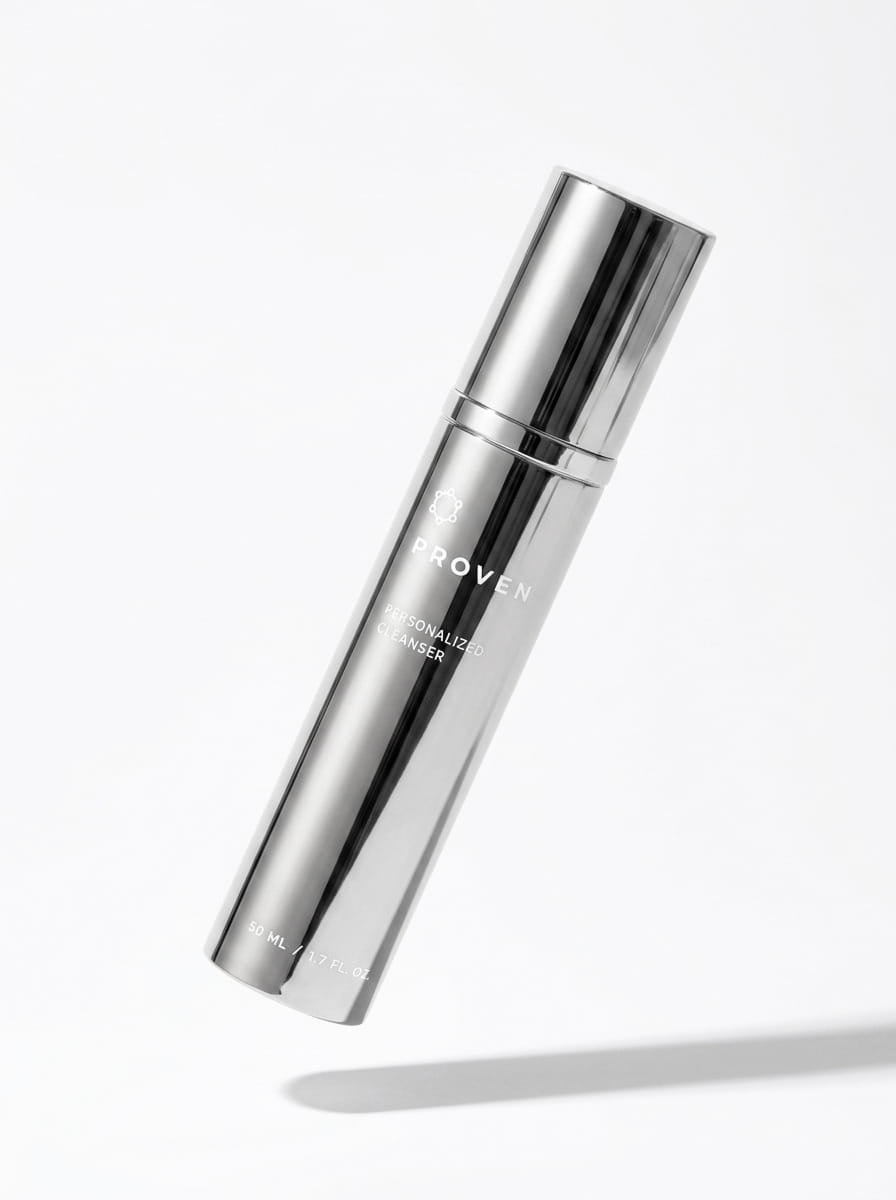
Personalized Cleanser
A gentle wash with exfoliating and toning properties — calibrated to your skin.
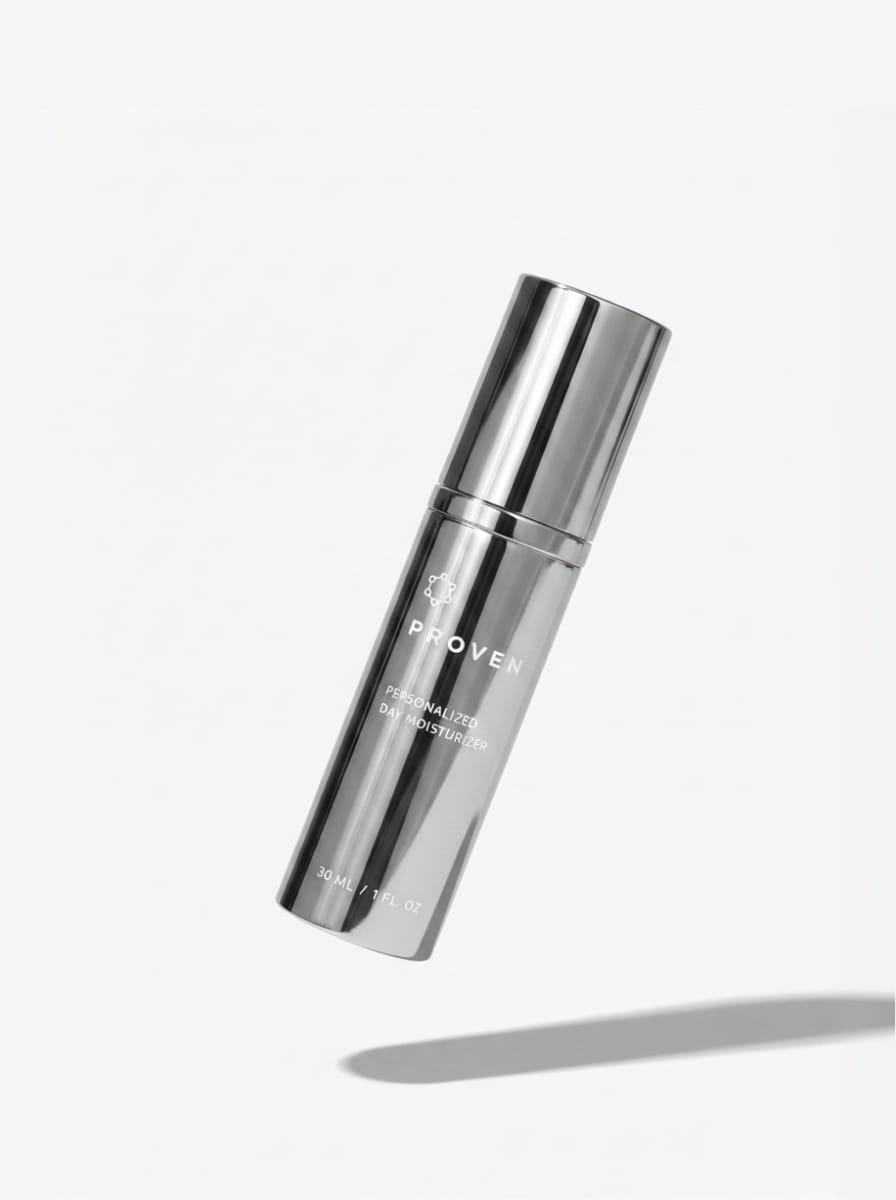
Personalized Day Moisturizer
Lightweight daytime hydration — formulated for your skin.
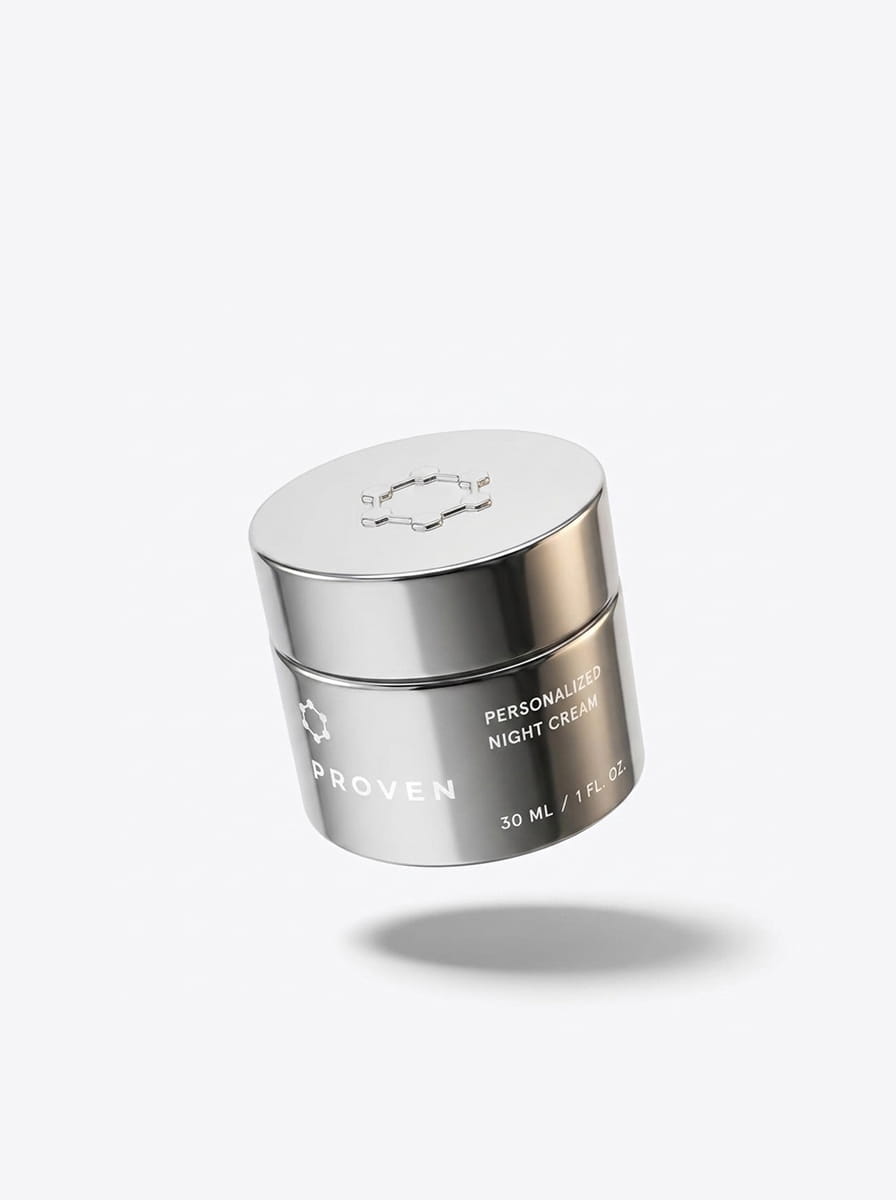
Personalized Night Cream
Overnight repair with the active ingredients your skin needs most.
25% off first order + 15% off subscription bonusTake the 3-min quiz
Clinically proven. Consciously made.
In a 28-day clinical study, 87% noted softer skin, 94% noted smoother skin, and 81% noted a brighter complexion.
Always cruelty-free. Never formulated with phthalates, parabens, SLS, or formaldehyde.
Formulated and filled in an FDA-approved US laboratory. Made stateside, end to end.
Tips for using vitamin A
A gentle way to bring one of skincare’s most-researched actives into your routine.
- Start low and slow Begin with a low dose, around 0.025%, one night a week. As your skin acclimates, you can gradually build up frequency.
- Save it for nighttime Vitamin A increases your skin’s sensitivity to UV, so apply it in the evening. Rain or shine, follow with a broad-spectrum SPF 35 or greater the next day.
- Buffer with hydration Apply to freshly cleansed, dry skin prepped with a hyaluronic acid serum or moisturizer. A cream-based formula, or mixing a little into moisturizer, helps reduce sensitivity.
- A pea-size amount is plenty Use sparingly and avoid the corners of the nose and upper eyelids, where thinner skin can trap product and cause irritation.
- Expect an adjustment period Early redness, dryness, or flaking is common and diminishes as skin adapts. Dial back frequency if you need to, then ease back in.
Real results
Real results, real people.
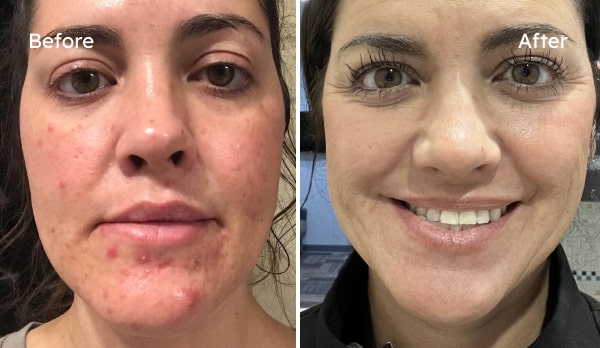
“It’s so clear and I can go without makeup and it looks amazing. I used to be so ashamed to walk around with no makeup, had terrible acne! This has been a game changer for me!”
Persistent inflammatory acne + barrier disruption = gentle sebum balance + barrier rebuild system.
1 of 6