

Keeps your skin healthy even if you spend a lot of time in the sun. The sun's heat dries out areas of unprotected skin and ultraviolet (UV) radiation can cause burning and photoaging.
INGREDIENT
Antioxidants for Skin
One of the best ways to ward off sun damage and early signs of aging is to protect your skin against free radicals. These unstable molecules-- found in chemicals, UV radiation, airpollutants, and tobacco smoke-- damage collagen and weaken the skin’s elasticity.
- 4.7 ★50,000+ reviews
- Clinically proven28-day independent study
- MIT AI IdolTechnology of the year
- 2 U.S. patentsPersonalization first
What are antioxidants?
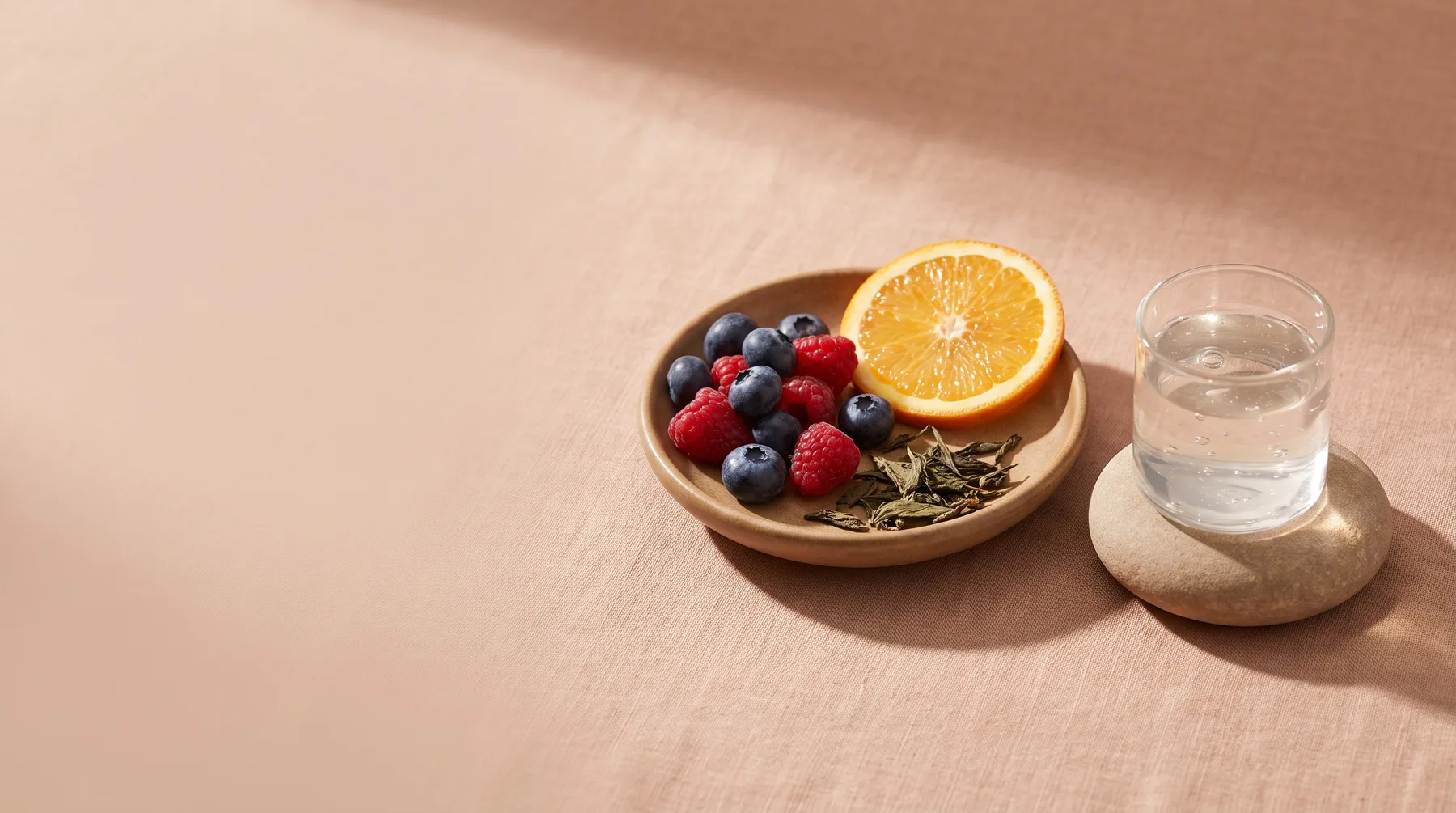
Scientific studies show that antioxidants prevent cellular damage caused by free radicals, and even better-- they can actually reverse the damage. Antioxidants are naturally occurring or manmade compounds that play a key role in maintainingcellular health and repairing DNA. The skin produces its own antioxidants, including catalase and superoxide dismutase, that fight the process of oxidative stress and cellular damage. However, these natural defense mechanisms begin to decline as part of the aging process. There are hundreds of different compounds that can act as antioxidants. Some of the most familiar antioxidants include: Green Tea, Vitamin C, Vitamin E, Niacinamide, Beta Carotene,Reservatrol, Ferulic acid, and Vitamin A.
What are the benefits of antioxidants?
There is ample research on antioxidants for skin health and photo-aging protection. These potent compounds work their magic by scavenging electrons before they can disrupt DNA and wreak havoc on the skin. Many antioxidants have powerful anti-inflammatory properties, and besides protecting from UV-induced damage, they can soothe irritation, brighten dark spots,and stimulate collagen production for firmer, smoother skin. Antioxidant skincare can prevent fine lines, improve skin tone, elasticity, correct blotchiness,and help fight acne. Furthermore, epidemiological studies have demonstrated that a highintake of antioxidant-rich foods is linked to a lower risk of cancer, cardiovascular disease, and other ailments stemming from oxidative stress.
Helps with these skin concerns
Antioxidants help with these skin types
Oily skin
Light antioxidant products can help dissolve excess oil, dead skin cells, and buildup in pores.
Normal skin
Antioxidants help reduce inflammation and repair skin making them a great bet for normal skin.
Helps with these environmental & lifestyle factors
Protects against HEV Blue light’s digital pollution. When you spend a lot of time in front of a screen, blue light can rob the skin of healthy collagen levels. Continued exposure can cause worsening of melasma, skin discoloration, fine lines or, in some cases, an increased risk of melanoma, or skin cancer.
Helps fight the effects of pollution on your skin. Polluted air contains small nanoparticles which cause premature aging. Clinical studies show that people with low pollution exposure levels have brighter, healthier, more radiant looking skin.
Calibrated for every age
It refines the skin, making it smoother, creating a more even skin tone, a brighter appearance, and gives you radiant skin from within.
It is a perfect fit to address the primary skin care concerns for people in their 20s and early 30s. Make it a part of your regular skin care routine for healthy, beautiful skin.
This is a great time to make it a part of your skincare routine as you start thinking about incorporating more ingredients with anti-aging benefits.
It is a great bet for consistent, everyday incorporation in your skincare routine as it not only will tighten up your anti-aging regimen but also help you achieve firmer, more youthful skin.
As skin matures, it tends to lose hydration and feel dry. This helps hydrate and plump the skin, reducing the appearance of fine lines and wrinkles.
Works well with these other ingredients
There are hundreds of naturally-occurring substances that function as antioxidants, and a select few are routinely incorporated in skincare products. These compounds generally work well in tandem with hyaluronic acid, ceramides, and peptides to protect against sun damage and promote healthier skin.
Usage Guide
How to use Antioxidants?
Your skincare routine will depend on the types and concentrations of antioxidants that you use. As a general rule, dermatologists usually recommend starting with the thinnest product-- suchas a serum-- and working your way up to heavier creams and moisturizers. Like Vitamin C and Green Tea, some antioxidants are more suitable for morning application, whereas Vitamin Aderivatives should be applied before bedtime.
When to use Antioxidants?
Dermatologists universally recommend antioxidants for anyone looking to protect against environmental aggressors like sunlight, pollution, and toxins. Because of their proven anti-agingproperties, antioxidant-infused skin products are beneficial from your 20’s onward.
What are antioxidants found in?
The body produces some antioxidant enzymes, but these compounds are most abundant infruits, vegetables, wholegrains, seeds, and nuts. Shellfish, poultry, and beef are excellentsources of antioxidants like zinc, selenium, and manganese.
Are antioxidants suitable for sensitive skin?
Yes, there are hypoallergenic skincare formulas containing antioxidants that are designed to benon-irritating and ideal for those with sensitive skin.
Antioxidants side effects
Antioxidants slow the effects of oxidative stress, which plays a role in hyperpigmentation, finelines, wrinkles, inflammatory conditions like eczema, and some cancers triggered by mutatedcell DNA. In conjunction with a broad-spectrum sunscreen, topical antioxidants are a potentanti-aging weapon and can help maintain supple, healthy skin.
Ingredients to avoid with antioxidants
Whether using curcumin, grape seed extract, or Vitamin E in your daily regimen, antioxidantsusually pair well with other topical ingredients. The one combination to be wary of-- is VitaminC and Vitamin A (retinoids). If used simultaneously, this may cause increased sensitivity.
Find out if you need antioxidants
Free radical damage can be prevented with the right antioxidant formulation that is biologically active and shelf-stable. Not sure which antioxidants are right for you? Take the PROVEN skin quiz to create a personalized 3-step routine unique to your lifestyle and environment.
The PROVEN system
Your personalized system
A cleanser, day moisturizer, and night cream — calibrated to your skin from the 3-step Skin Genome Quiz.
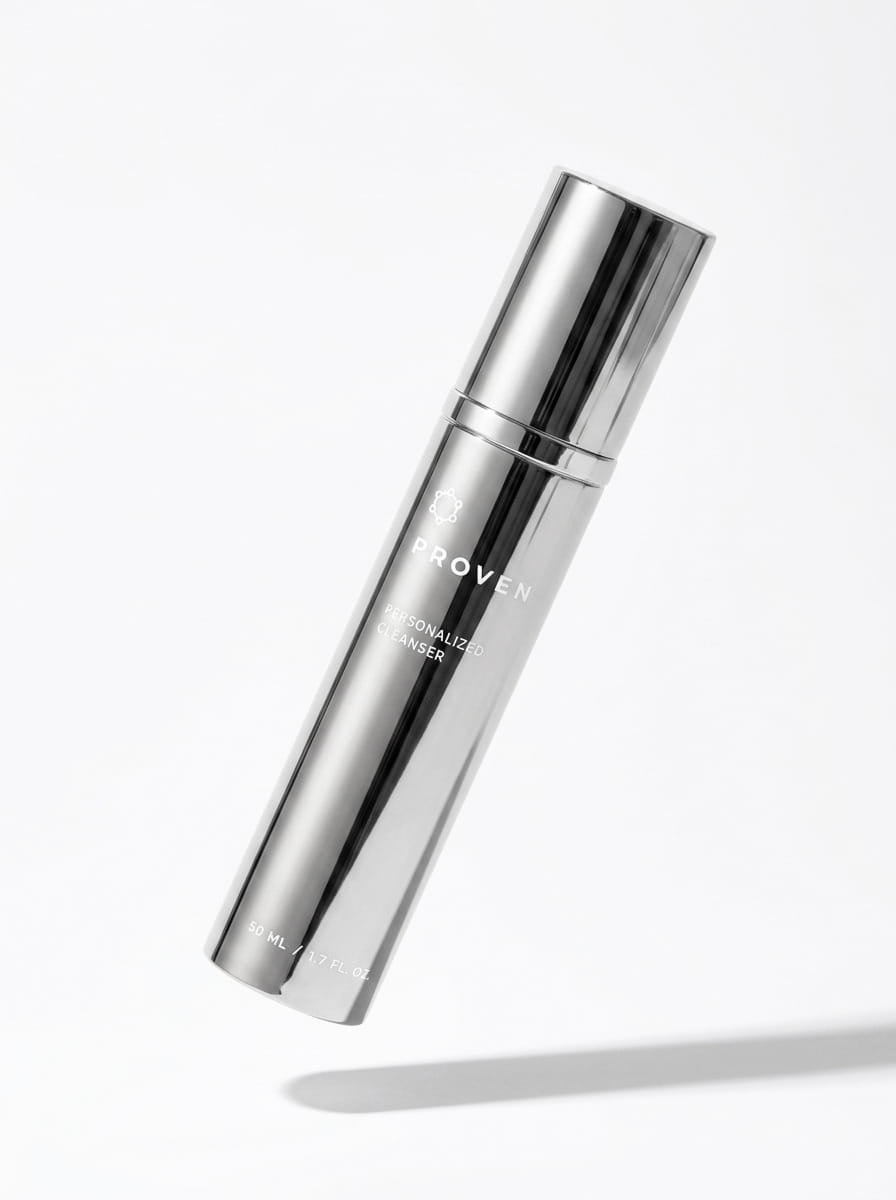
Personalized Cleanser
A gentle wash with exfoliating and toning properties — calibrated to your skin.
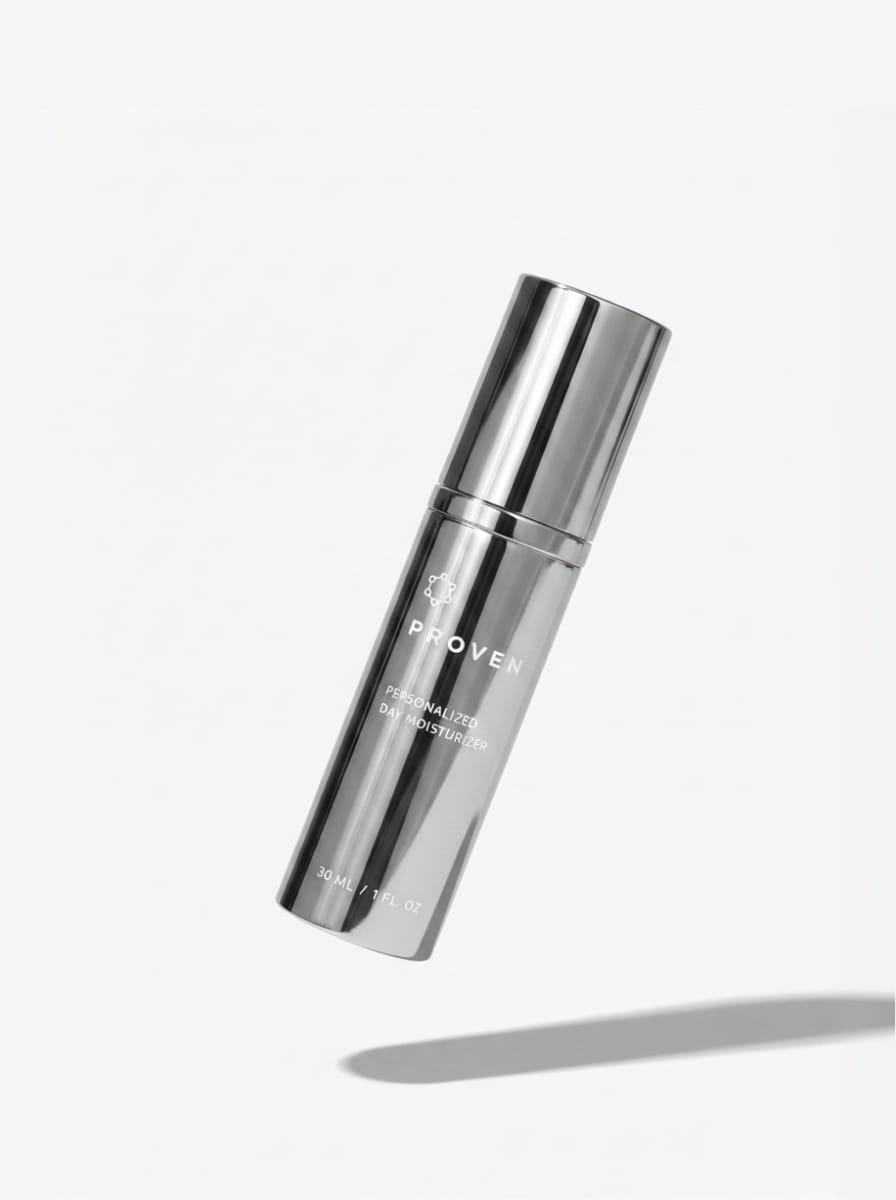
Personalized Day Moisturizer
Lightweight daytime hydration — formulated for your skin.
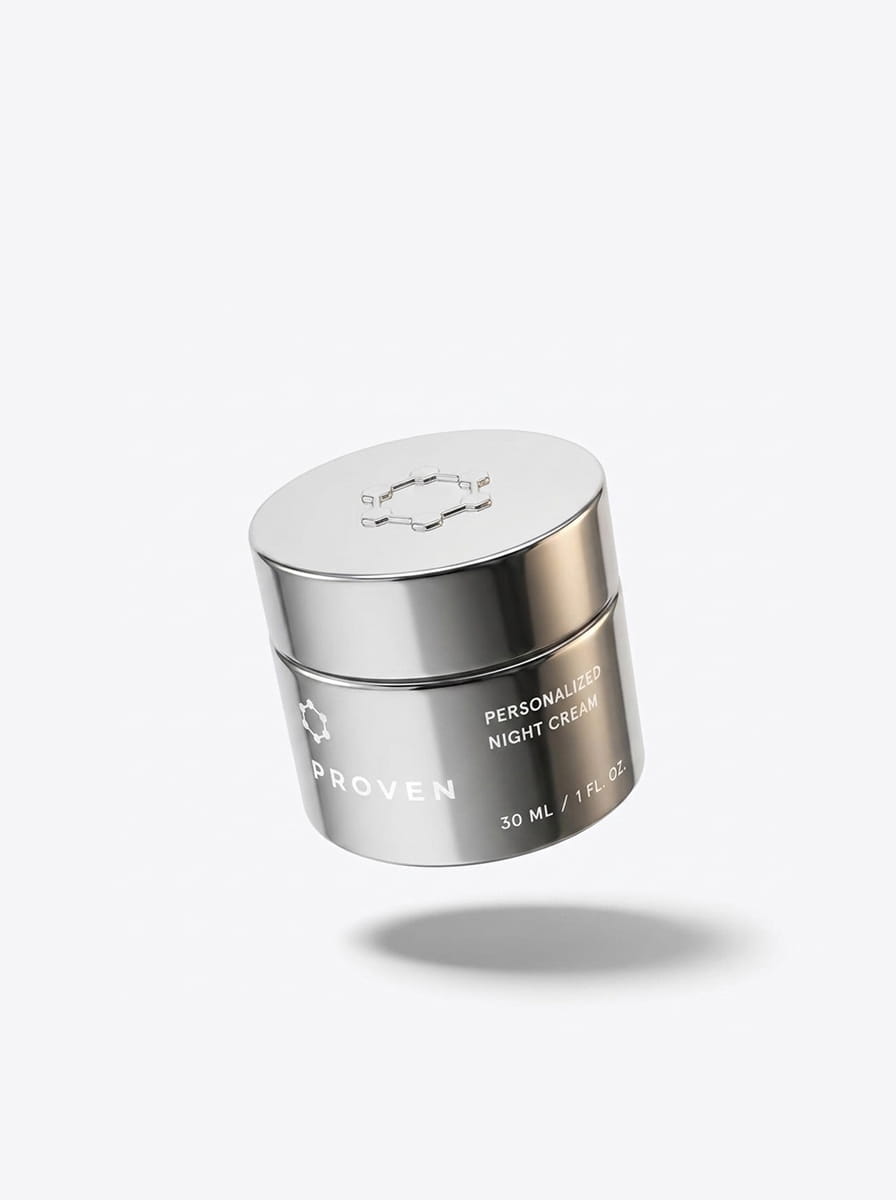
Personalized Night Cream
Overnight repair with the active ingredients your skin needs most.
25% off first order + 15% off subscription bonusTake the 3-min quiz
Clinically proven. Consciously made.
In a 28-day clinical study, 87% noted softer skin, 94% noted smoother skin, and 81% noted a brighter complexion.
Always cruelty-free. Never formulated with phthalates, parabens, SLS, or formaldehyde.
Formulated and filled in an FDA-approved US laboratory. Made stateside, end to end.
Getting the most from antioxidants
Small habits that help antioxidants do their work against free radicals, UV, and pollution.
- Start with the thinnest layer Dermatologists usually recommend beginning with a lightweight serum, then working up to richer creams. Thinner formulas absorb first, so each layer lands where it should.
- Split them across your day Vitamin C and green tea suit morning application, while Vitamin A derivatives are best applied before bed. Matching each antioxidant to the right time helps you get its full benefit.
- Layer under sunscreen Antioxidants and a broad-spectrum SPF are designed to work together against UV, pollution, and blue light. One helps defend the skin, the other neutralizes what gets through.
- Keep Vitamin C and retinoids apart Used at the same time, Vitamin C and Vitamin A can increase sensitivity. Alternate them across morning and night instead of stacking them.
- Let the quiz choose yours There are hundreds of antioxidants, and the right ones depend on your skin. The Skin Genome Quiz reads your lifestyle and environment to build a personalized routine around them.
Real results
Real results, real people.
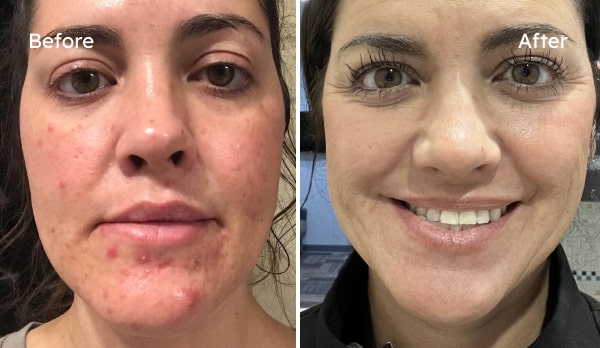
“It’s so clear and I can go without makeup and it looks amazing. I used to be so ashamed to walk around with no makeup, had terrible acne! This has been a game changer for me!”
Persistent inflammatory acne + barrier disruption = gentle sebum balance + barrier rebuild system.
1 of 6