

Keeps your skin healthy even if you spend a lot of time in the sun. The sun's heat dries out areas of unprotected skin and ultraviolet (UV) radiation can cause burning and photoaging.
INGREDIENT
Mandelic Acid for Skin
Mandelic acid is a type of alpha hydroxy acid (AHA) that works its anti-aging wonders through gentle exfoliation. Discover the transformative powers of this multi-tasking skincare ingredient.
- 4.7 ★50,000+ reviews
- Clinically proven28-day independent study
- MIT AI IdolTechnology of the year
- 2 U.S. patentsPersonalization first
What is mandelic acid?
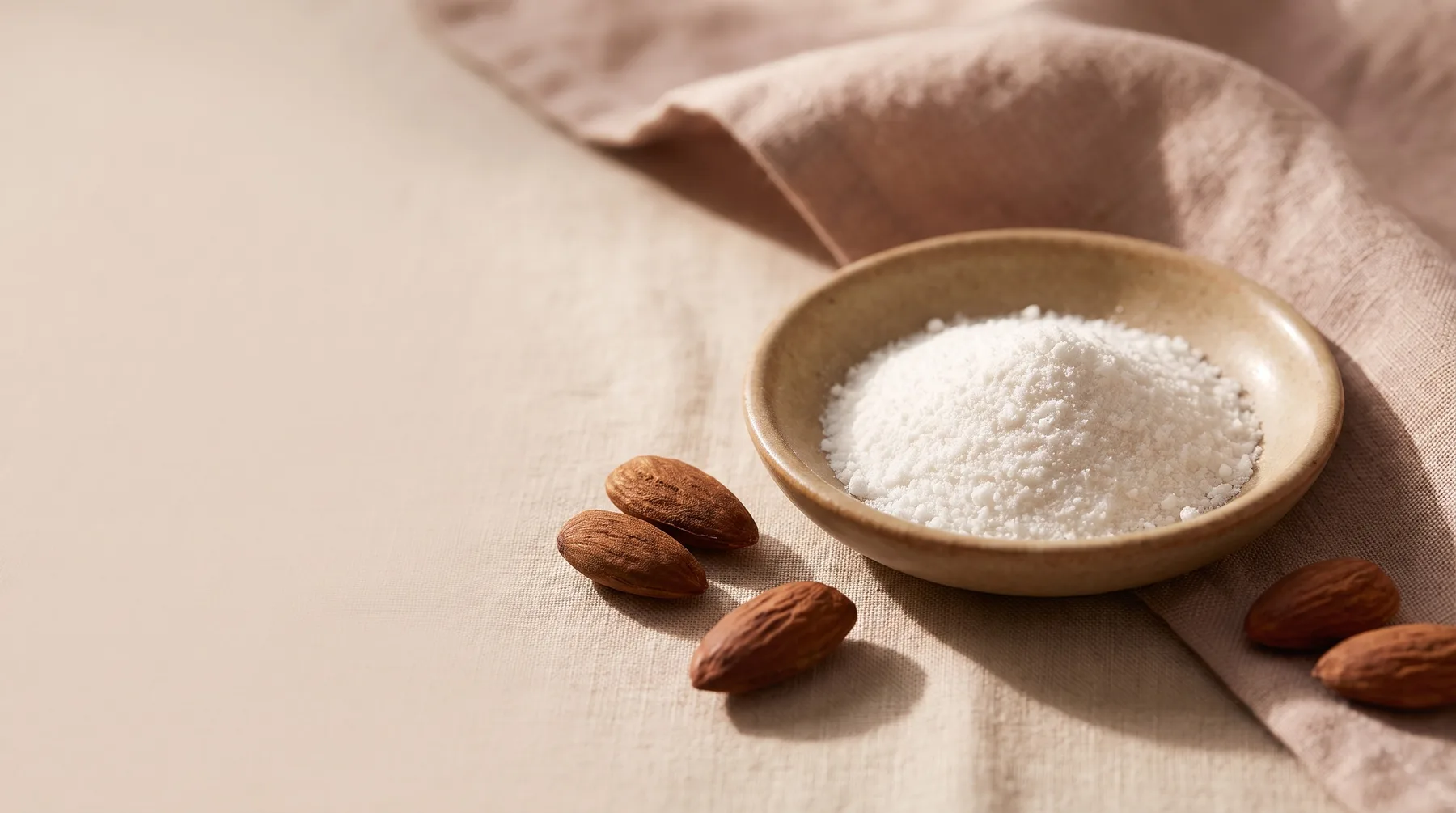
Mandelic acid is derived from bitter almonds. This AHA works to accelerate cellular turnover,breaking down the glue-like bonds to exfoliate layers of dead cells on the skin's surface. Unlike other acids in this category, it has a larger molecular weight that prevents it from penetrating the epidermis too deeply. This unique aspect makes mandelic acid products safe for reactive or sensitive skin.
What are the benefits of mandelic acid?
Exfoliated skin is naturally brighter and more luminous, yet mandelic acid goes a step further by reducing the appearance of hyperpigmentation from sun damage, acne scars, melasma, andage spots. Skin tone is more even, and-- with regular use—it can improve texture and firmness by strengthening collagen production. Fine lines and wrinkles are less noticeable, and its anti-bacterial properties keep pores clean and less prone to acne.
Mandelic acid helps with these skin types
Dry skin
Mandelic acid is the gentlest of all the AHAs. Because of the size of its molecules, it is slowly absorbed into the skin and is less likely to dry out skin and cause irritation.
Normal skin
Mandelic acid helps to reduce pigmentation, including brown spots caused by the sun and aging.
Oily skin
Mandelic acid offers anti-bacterial properties to the surface of the skin preventing breakouts.
Helps with these environmental & lifestyle factors
Helps fight the effects of pollution on your skin. Polluted air contains small nanoparticles which cause premature aging. Clinical studies show that people with low pollution exposure levels have brighter, healthier, more radiant looking skin.
Helps counter the effect of high stress on your skin. Living with too much stress ramps up your body's production of cortisol—and wreaks havoc on your skin.
Calibrated for every age
It refines the skin, making it smoother, creating a more even skin tone, a brighter appearance, and gives you radiant skin from within.
It is a perfect fit to address the primary skin care concerns for people in their 20s and early 30s. Make it a part of your regular skin care routine for healthy, beautiful skin.
This is a great time to make it a part of your skincare routine as you start thinking about incorporating more ingredients with anti-aging benefits.
It is a great bet for consistent, everyday incorporation in your skincare routine as it not only will tighten up your anti-aging regimen but also help you achieve firmer, more youthful skin.
As skin matures, it tends to lose hydration and feel dry. This helps hydrate and plump the skin, reducing the appearance of fine lines and wrinkles.
Works well with these other ingredients
Because mandelic acid is a gentle AHA, it is generally safe to combine with most other ingredients, including salicylic acid and Vitamin C. It also pairs well with hydrating compounds like hyaluronic acid, glycerin, jojoba oil, squalene, and ceramides.
 01 / 06Key active
Salicylic Acid
Clears pores and anti-aging
 02 / 06
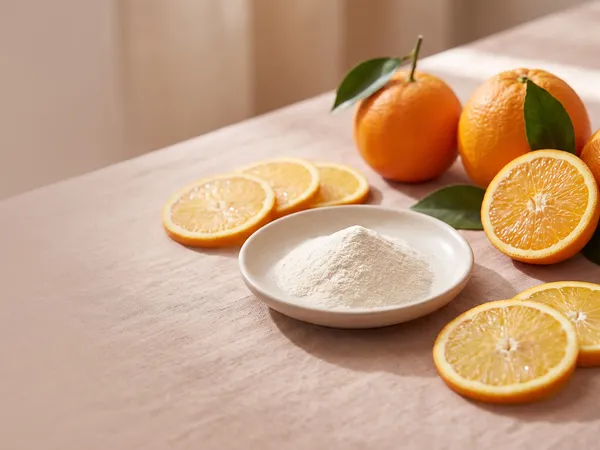
Vitamin C
A brightening, firming antioxidant that promotes collagen production and helps fade dark spots and discoloration
 03 / 06
Hyaluronic Acid
Binds to water to deliver instant hydration
 04 / 06
Glycerin
A plant-based humectant that hydrates, moisturizes and soothes the skin barrier
 05 / 06
Squalane
Skin hydrator and barrier shield that regulates oil production, soothes skin, and fights acne-causing bacteria
 06 / 06
Ceramides
Allow the skin to stay moist and hydrated, and protect the skin’s barrier protection
Usage guide
How to use mandelic acid?
Mandelic acid should be incorporated into your evening skincare routine, beginning with once a week, and working up to every few days, depending on your primary concerns. Serums and exfoliating lotions formulated with it and other actives are quite effective. Because all AHA's increase sensitivity to UV damage, be sure to follow up in the morning with a broad-spectrum sunscreen-- SPF 35 or higher.
When to use mandelic acid?
Mandelic acid targets several skin concerns, from photo-damage and dull complexions to discoloration and wrinkles. Always apply products containing mandelic acid to freshly cleansed and dry skin, followed by heavier serums or moisturizers.
What is mandelic acid found in?
You can find mandelic acid in a range of anti-aging and glow-inducing skincare products, such as serums, cleansers, and lotions. This exfoliant is also used in face masks, professional-grade chemical peels, and skin-brightening wipes.
Is mandelic acid suitable for sensitive skin?
Yes. This non-irritating exfoliator and skin brightener is often recommended for those with sensitive skin. It's also safe for use on darker skin tones and does not cause or worsen hyperpigmentation.
Things to keep in mind
Mandelic acid side effects
As with any exfoliating compound, there is a risk that mandelic acid can cause redness, tingling,or other irritation, though this risk is very low. This gentle AHA is best known for improving dullness, textural irregularities, and dark spots from sun exposure.
Ingredients to avoid with mandelic acid
Retinol-- a derivative of Vitamin A-- makes the skin barrier more porous and should therefore be used cautiously with mandelic acid products to avoid irritation. With the right formulations and application, acids and retinols can both be used in a skincare routine.
Find out if you need mandelic acid
What can mandelic acid do for your complexion? Is this gentle yet powerful skin brightening agent right for your skin concerns and lifestyle? Get personalized formulas developed by leading dermatologists by taking the PROVEN skincare quiz.
The PROVEN system
Your personalized system
A cleanser, day moisturizer, and night cream — calibrated to your skin from the 3-step Skin Genome Quiz.
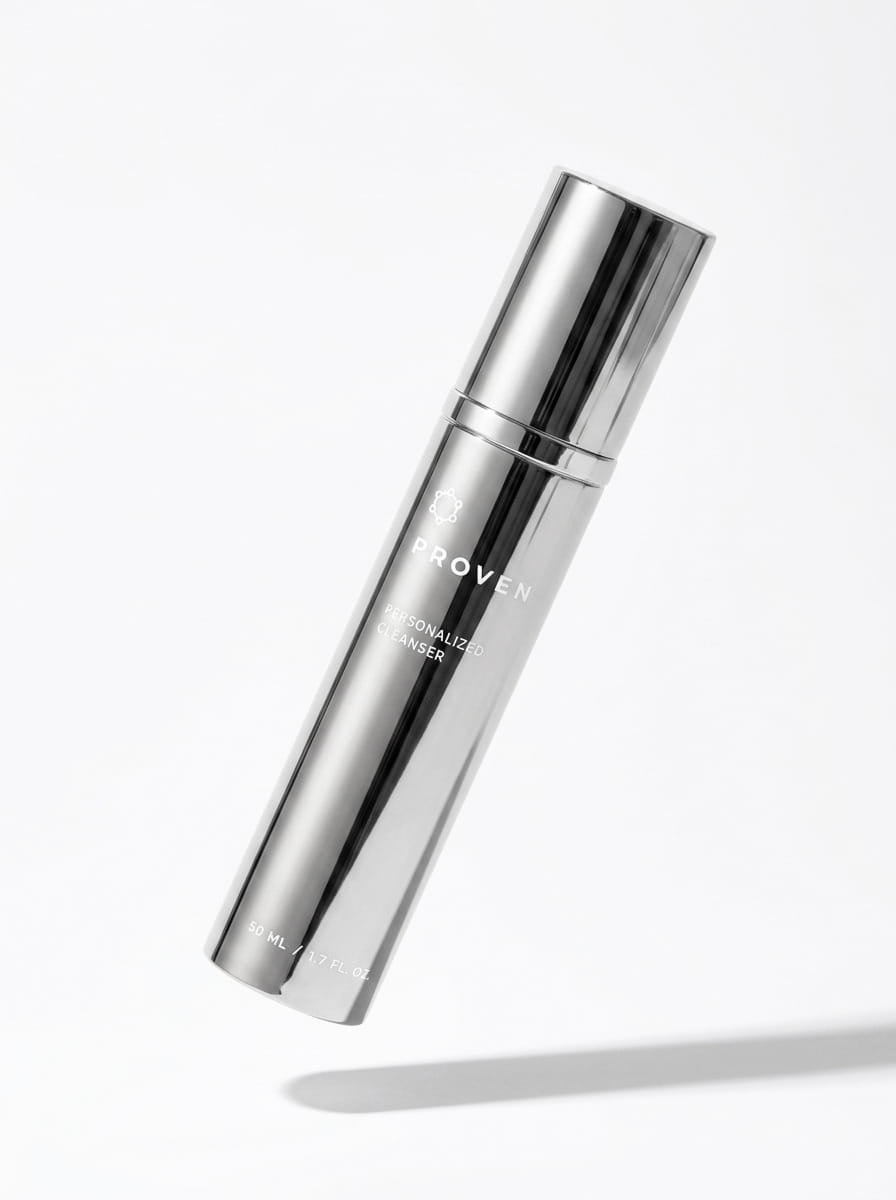
Personalized Cleanser
A gentle wash with exfoliating and toning properties — calibrated to your skin.
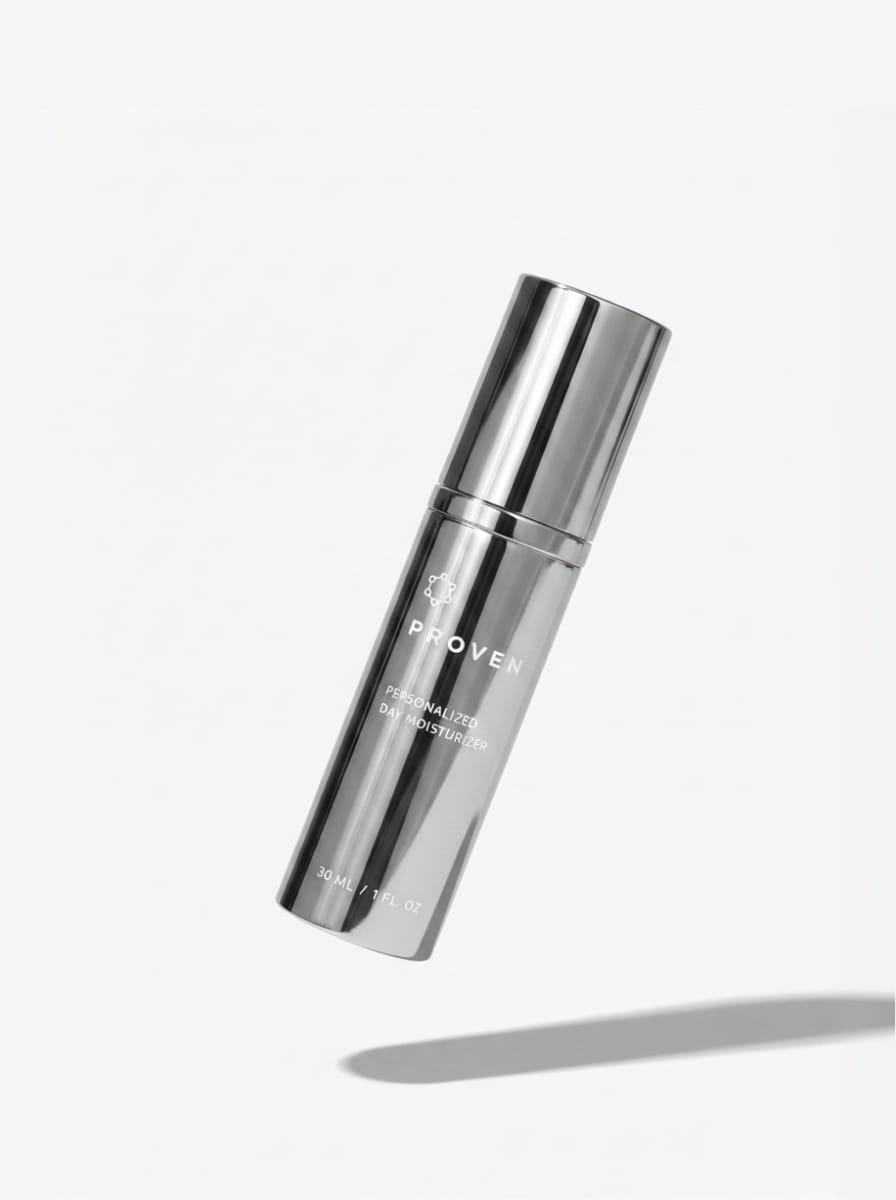
Personalized Day Moisturizer
Lightweight daytime hydration — formulated for your skin.
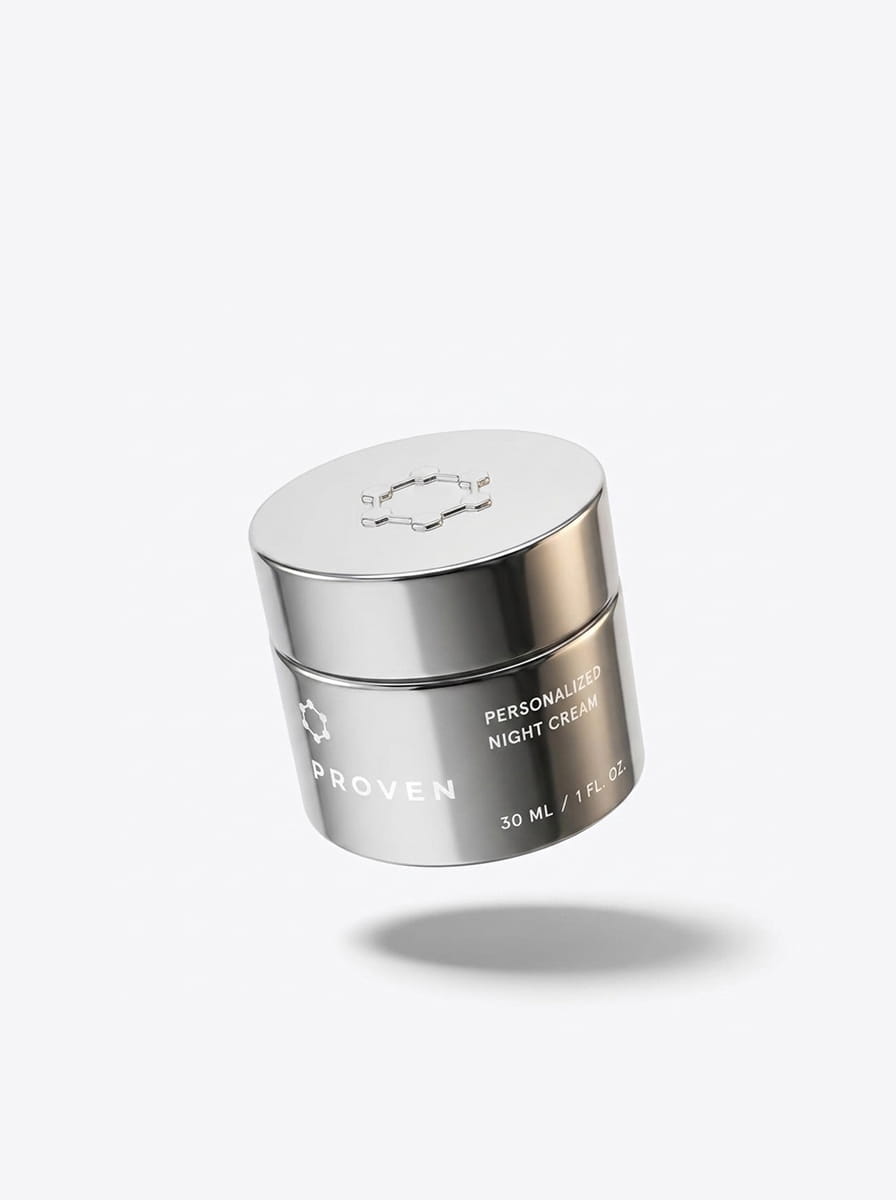
Personalized Night Cream
Overnight repair with the active ingredients your skin needs most.
25% off first order + 15% off subscription bonusTake the 3-min quiz
Clinically proven. Consciously made.
In a 28-day clinical study, 87% noted softer skin, 94% noted smoother skin, and 81% noted a brighter complexion.
Always cruelty-free. Never formulated with phthalates, parabens, SLS, or formaldehyde.
Formulated and filled in an FDA-approved US laboratory. Made stateside, end to end.
Getting the most from mandelic acid
Mandelic acid is the gentlest of the AHAs, with a larger molecule that absorbs slowly. A few habits help it work its brightest.
- Start slow, once a week Begin with one evening a week and work up to every few days as your skin adjusts. The larger molecule absorbs slowly, which is what keeps it gentle enough for reactive skin.
- Keep it to nights Apply it in your evening routine, on freshly cleansed, dry skin. Follow with your heavier serums or moisturizer on top.
- Follow with SPF by day Any AHA raises your skin’s sensitivity to UV. A broad-spectrum SPF 35 or higher the next morning protects the brighter, more even tone you are building.
- Pair with retinol carefully Retinol makes the skin barrier more porous, so space it out from mandelic acid to keep both comfortable. With the right formulation, acids and retinol can share a routine.
- Let the quiz place it Mandelic acid helps support brighter, more even-looking skin, but it is one active among many. The Skin Genome Quiz reads your 47 factors and decides whether it belongs in your personalized formula.
Real results
Real results, real people.
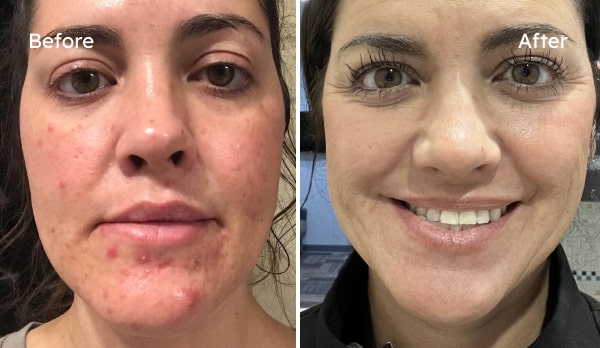
“It’s so clear and I can go without makeup and it looks amazing. I used to be so ashamed to walk around with no makeup, had terrible acne! This has been a game changer for me!”
Persistent inflammatory acne + barrier disruption = gentle sebum balance + barrier rebuild system.
1 of 6