

Helps counter the effect of high stress on your skin. Living with too much stress ramps up your body's production of cortisol—and wreaks havoc on your skin.
INGREDIENT
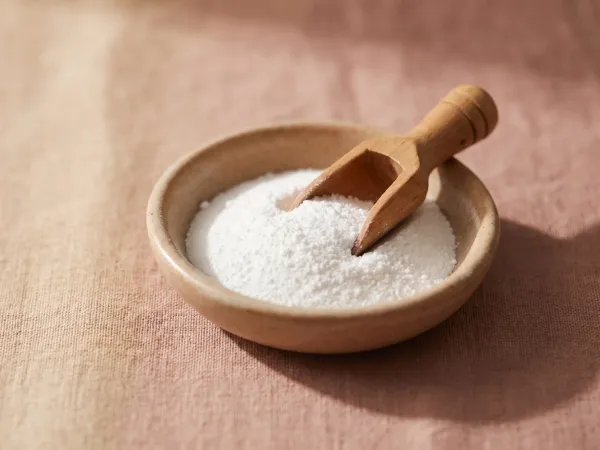
CoQ10 (Ubiquinone) for Skin
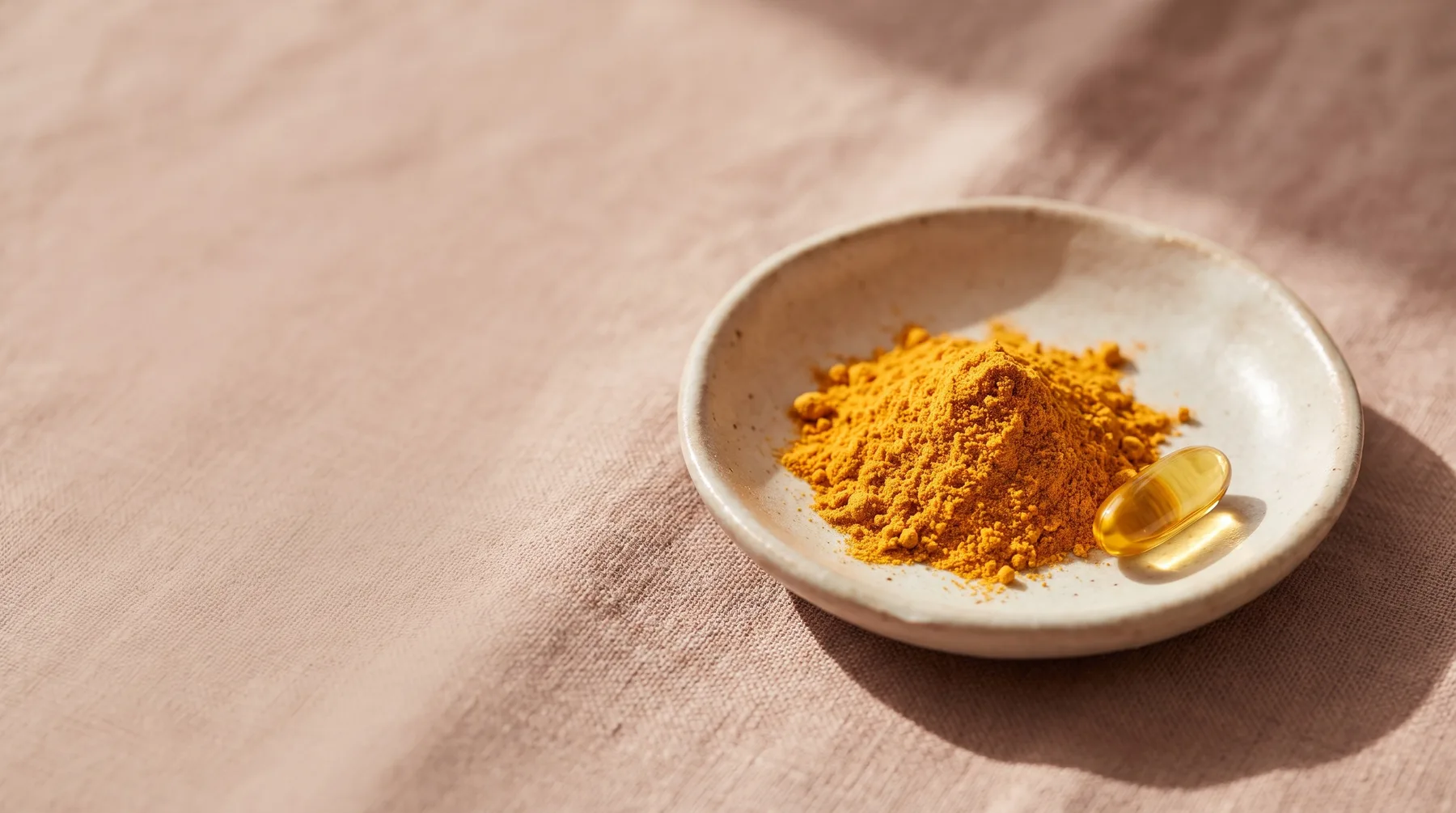
Ubiquinone/CoQ10 neutralizes free radicals to help combat signs of both chronological and photo-aging. This potent antioxidant plays a vital role in skin cell energy production and blocksthe biological pathways that lead to inflammation.
- 4.7 ★50,000+ reviews
- Clinically proven28-day independent study
- MIT AI IdolTechnology of the year
- 2 U.S. patentsPersonalization first
What is Ubiquinone?
Ubiquinone, alternatively known as CoQ10 and Coenzyme Q10, is a fat-soluble compoundnaturally produced by every cell in the body. It is found in the mitochondria and necessary for energy production. Our CoQ10 production levels decline with age, making the skin more susceptible to damage from environmental stressors.
What are the benefits of Ubiquinone?
Scientific data shows the benefits of CoQ10 for skin, as this powerful antioxidant supportscellular energy levels and counteracts oxidative stress. This compound works at the molecularlevel to replenish skin cells, support collagen and elastin production, fight inflammation, and prevent many of the detrimental effects of photo-aging. With continued application, this antioxidant can reduce the appearance of wrinkles and UV damage and help maintain youthful,firm skin.
Ubiquinone helps with these skin types
Dry skin
Ubiquinone is deeply hydrating for dry and sensitive skin types.
Normal skin
Ubiquinone helps to fight premature aging and renews the skin’s texture and appearance.
Helps with these environmental & lifestyle factors
Helps fight the effects of pollution on your skin. Polluted air contains small nanoparticles which cause premature aging. Clinical studies show that people with low pollution exposure levels have brighter, healthier, more radiant looking skin.
Keeps your skin healthy even if you spend a lot of time in the sun. The sun's heat dries out areas of unprotected skin and ultraviolet (UV) radiation can cause burning and photoaging.
Calibrated for every age
It refines the skin, making it smoother, creating a more even skin tone, a brighter appearance, and gives you radiant skin from within.
It is a perfect fit to address the primary skin care concerns for people in their 20s and early 30s. Make it a part of your regular skin care routine for healthy, beautiful skin.
This is a great time to make it a part of your skincare routine as you start thinking about incorporating more ingredients with anti-aging benefits.
It is a great bet for consistent, everyday incorporation in your skincare routine as it not only will tighten up your anti-aging regimen but also help you achieve firmer, more youthful skin.
As skin matures, it tends to lose hydration and feel dry. This helps hydrate and plump the skin, reducing the appearance of fine lines and wrinkles.
Works well with these other ingredients
Research has demonstrated that the antioxidant activity of CoQ10 is enhanced when combined with carotenoids, Vitamin C, and Vitamin E. This trifecta of skincare actives provides extra protection against inflammatory skin conditions and the photo-aging effects caused by UV exposure. CoQ10 also works well with hyaluronic acid, aloe vera, and topical Vitamin B3.
 01 / 04
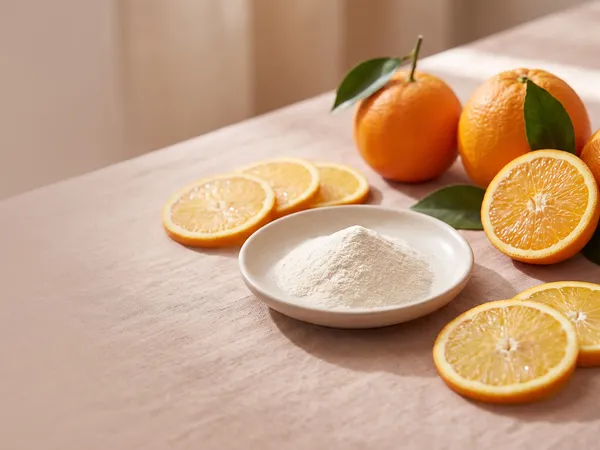
Vitamin C
A brightening, firming antioxidant that promotes collagen production and helps fade dark spots and discoloration
 02 / 04
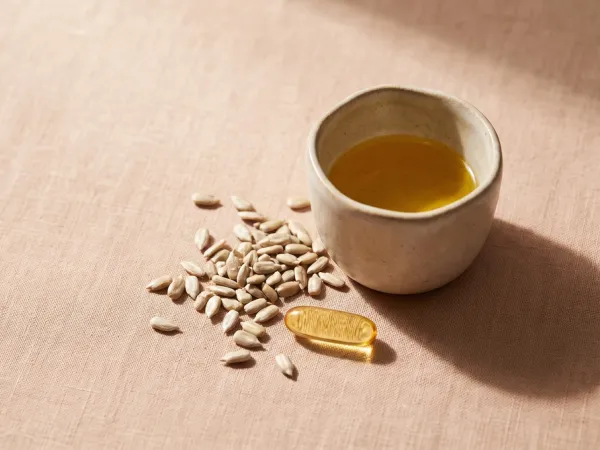
Vitamin E
Antioxidant that fights inflammation and moisturizes skin.
 03 / 04Key active
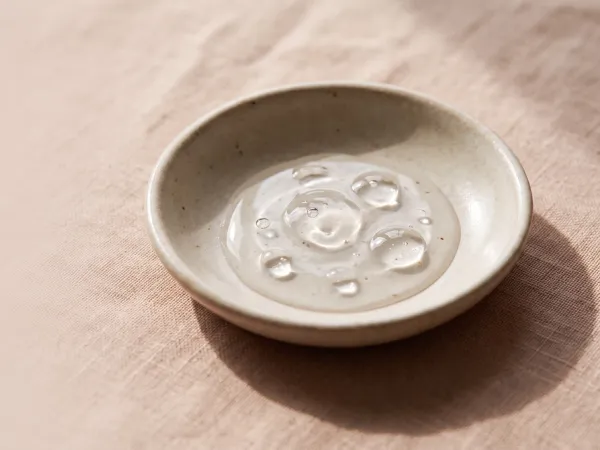
Hyaluronic Acid
Binds to water to deliver instant hydration
 04 / 04
Vitamin B3
Is photo-protective and has anti-inflammatory and brightening benefits
Usage guide
How to use Ubiquinone?
As with any skincare ingredient, concentration and product formulation are key. Most of the clinical evidence on the anti-aging/antioxidant properties of CoQ10 involve trials using 1% concentrations or greater. Because it is a lipophilic compound—meaning its ability to dissolve in fats, oils, and lipids-- CoQ10 must be prepared in a unique way to enable penetration into the skin.
When to use CoQ10?
Skincare products enriched with CoQ10 can be safely used both morning and night. Morning application will protect the skin from pollution, UV damage, and other environmental stressors, while evening usage will focus on skin cell renewal and repair.
What is Ubiquinone found in?
Topical ubiquinone for skin is found in eye creams, serums, cleansers, facial moisturizers, aswell as body lotions, and creams. Many formulations contain complementary antioxidants that work well in tandem with Coenzyme Q10.
Is Ubiquinone suitable for sensitive skin?
Ubiquinone/CoQ10 is generally suitable for sensitive skin, though much will depend on the product formulation. Talk with your dermatologist if you have rosacea, eczema, or other skinconditions before incorporating this antioxidant into your daily regimen.
Things to keep in mind
Coenzyme Q10 side effects
Topical Coenzyme Q10 is well-tolerated by people with all skin types. However, those with long-term skin conditions like vitiligo should speak with their doctor first. Ubiquinone blocks tyrosinase-- a protein necessary for creating pigment. In this way, CoQ10 could potentially worsen depigmented areas.
Ingredients to avoid with CoQ10
Topical CoQ10 is a stable formulation that interacts well with other skincare ingredients.Because ubiquinone is fat-soluble, it pairs well with similar lipid-soluble ingredients. Ubiquinone may be broken down more rapidly when combined with products containing glycolic acid and Vitamin A derivatives.
Find out if you need Ubiquinone
Whether you are concerned with the loss of firmness, sun damage, or acne, the key to healthy,radiant skin is getting products that are formulated just for you. Find out if you could benefit from CoQ10 in your beauty regimen – start the PROVEN Skin Genome Quiz.™
The PROVEN system
Your personalized system
A cleanser, day moisturizer, and night cream — calibrated to your skin from the 3-step Skin Genome Quiz.
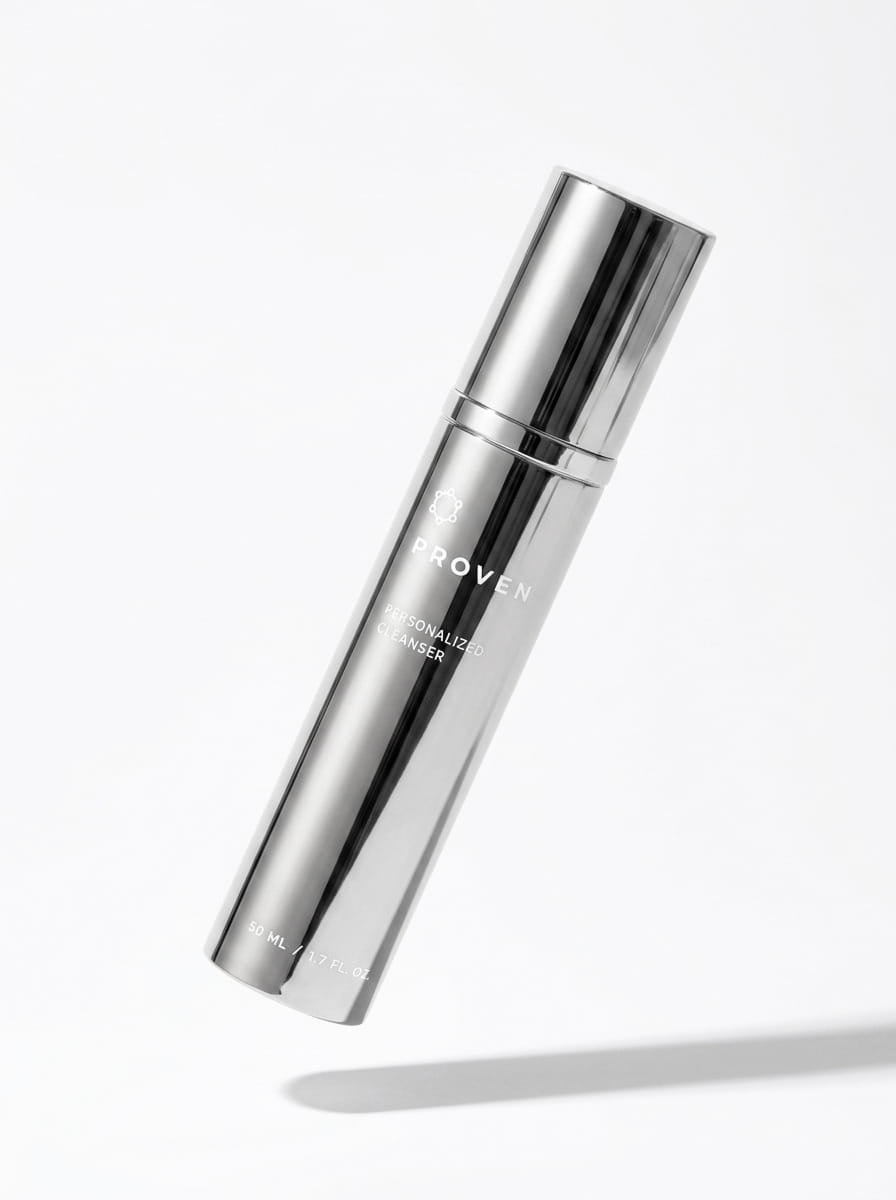
Personalized Cleanser
A gentle wash with exfoliating and toning properties — calibrated to your skin.
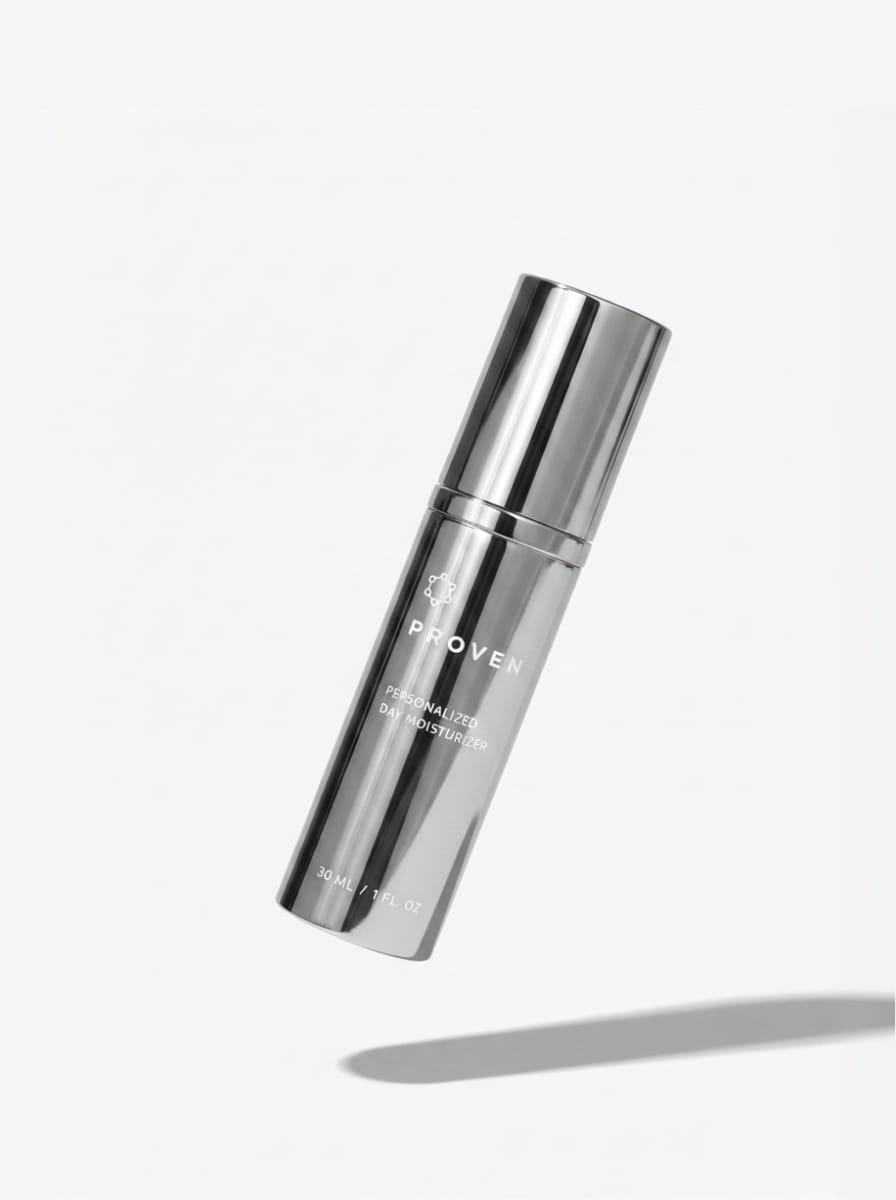
Personalized Day Moisturizer
Lightweight daytime hydration — formulated for your skin.
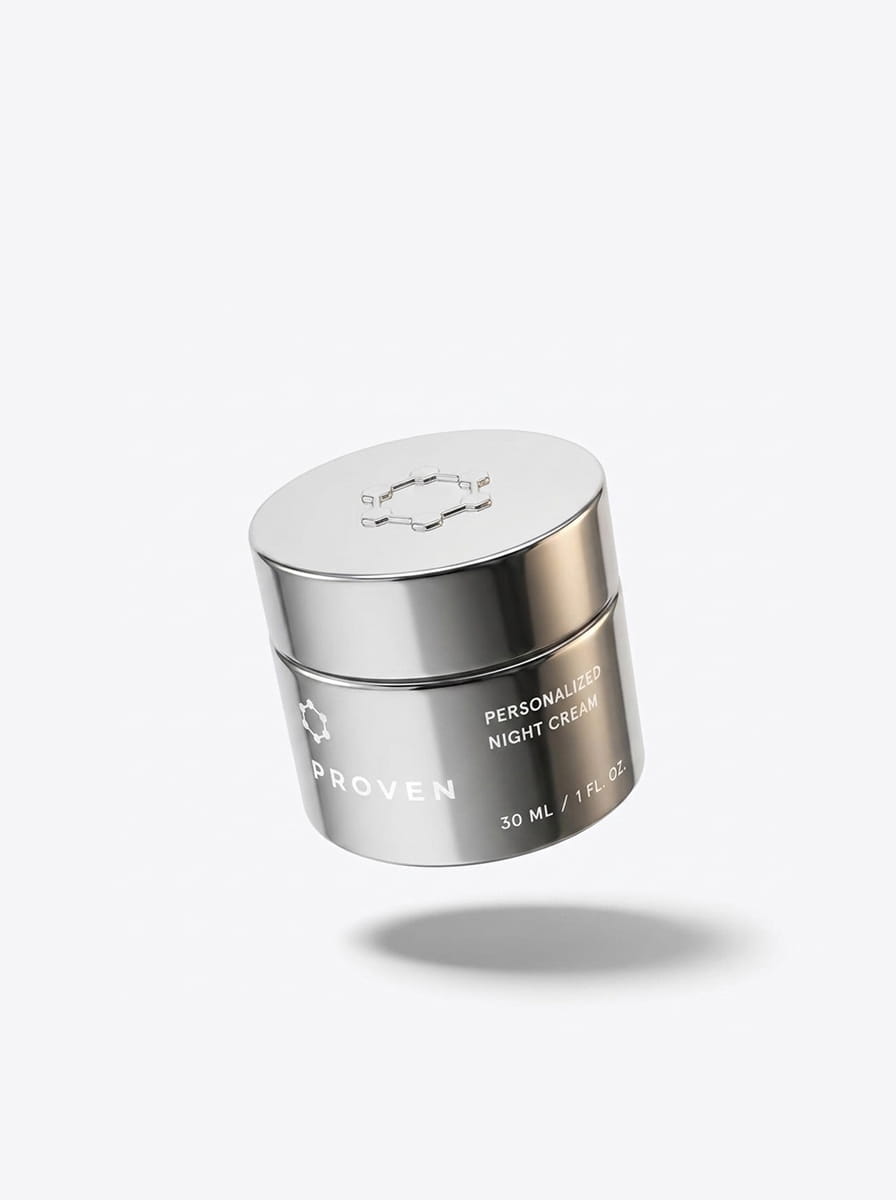
Personalized Night Cream
Overnight repair with the active ingredients your skin needs most.
25% off first order + 15% off subscription bonusTake the 3-min quiz
Clinically proven. Consciously made.
In a 28-day clinical study, 87% noted softer skin, 94% noted smoother skin, and 81% noted a brighter complexion.
Always cruelty-free. Never formulated with phthalates, parabens, SLS, or formaldehyde.
Formulated and filled in an FDA-approved US laboratory. Made stateside, end to end.
Tips for using ubiquinone (CoQ10)
Small choices that help this antioxidant do more for your skin.
- Use it morning and night Morning application helps defend against pollution and UV stress. Evening use focuses on overnight skin cell renewal and repair.
- Check the concentration Most of the clinical evidence for CoQ10’s antioxidant benefits comes from formulas at 1% or greater. Look for products that name the concentration.
- Pair with other antioxidants CoQ10 is fat-soluble and works well alongside vitamin C, vitamin E, and hyaluronic acid. Complementary actives amplify what your skin already needs.
- Separate it from strong acids CoQ10 can break down faster when layered with glycolic acid or vitamin A derivatives. Use them at different times of day to keep it stable.
- Stay consistent Our natural CoQ10 levels decline with age, and topical benefits show up with continued use. Give it steady weeks, not days.
Real results
Real results, real people.
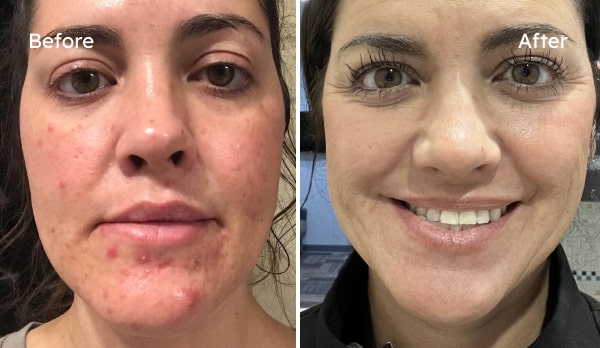
“It’s so clear and I can go without makeup and it looks amazing. I used to be so ashamed to walk around with no makeup, had terrible acne! This has been a game changer for me!”
Persistent inflammatory acne + barrier disruption = gentle sebum balance + barrier rebuild system.
1 of 6