

Keeps your skin healthy even if you spend a lot of time in the sun. The sun's heat dries out areas of unprotected skin and ultraviolet (UV) radiation can cause burning and photoaging.
INGREDIENT
Vitamin E for Skin
Vitamin E is the skin’s most abundant antioxidant that shields cells from oxidative stress. Delivered through the sebum, this lipophilic nutrient plays a vital role in the natural defenses ofthe epidermis and the maintenance of healthy skin.
- 4.7 ★50,000+ reviews
- Clinically proven28-day independent study
- MIT AI IdolTechnology of the year
- 2 U.S. patentsPersonalization first
What is Vitamin E?
Vitamin E is a fat-soluble compound that has been used in dermatology for more than fivedecades. Naturally occurring vitamin E encompasses eight chemical forms. The body utilizes α-tocopherol, which is formulated into a variety of skincare products in concentrations of 1 to 5percent.
What are the benefits of Vitamin E?
Vitamin E for skin has numerous benefits. Studies have proven that this potent antioxidant:
- Hydrates the outer skin layer and improves water-binding capacity
- Protects skin against UV damage
- Improves wound healing
- Strengthens the skin barrier function
- Delivers up to 16 hours of moisture
- Soothes skin inflammation and redness from sun exposure and pollutants
- Softens the appearance of fine lines and photo-aging
- Reduces hyperpigmentation
Vitamin E helps with these skin types
Dry skin
Vitamin E delivers up to 16 hours of moisture and is a boon for dry skin.
Normal skin
Vitamin E softens the appearance of fine lines and photo-aging.
Helps with these environmental & lifestyle factors
Keeps your skin hydrated and supple by locking in moisture even if you live in a region with dry air. Air that lacks humidity tends to dry skin out and cause itching, flaking or cracking of the skin.
Helps fight the effects of pollution on your skin. Polluted air contains small nanoparticles which cause premature aging. Clinical studies show that people with low pollution exposure levels have brighter, healthier, more radiant looking skin.
Calibrated for every age
It refines the skin, making it smoother, creating a more even skin tone, a brighter appearance, and gives you radiant skin from within.
It is a perfect fit to address the primary skin care concerns for people in their 20s and early 30s. Make it a part of your regular skin care routine for healthy, beautiful skin.
This is a great time to make it a part of your skincare routine as you start thinking about incorporating more ingredients with anti-aging benefits.
It is a great bet for consistent, everyday incorporation in your skincare routine as it not only will tighten up your anti-aging regimen but also help you achieve firmer, more youthful skin.
As skin matures, it tends to lose hydration and feel dry. This helps hydrate and plump the skin, reducing the appearance of fine lines and wrinkles.
Works well with these other ingredients
Studies have found that Vitamin E offers better photoprotection against free radical damage when combined with Vitamin C and Ferulic Acid and is less prone to oxidation. It also pairs well with ingredients like resveratrol, vitamin B, peptides, and green tea extract.
 01 / 04Key active
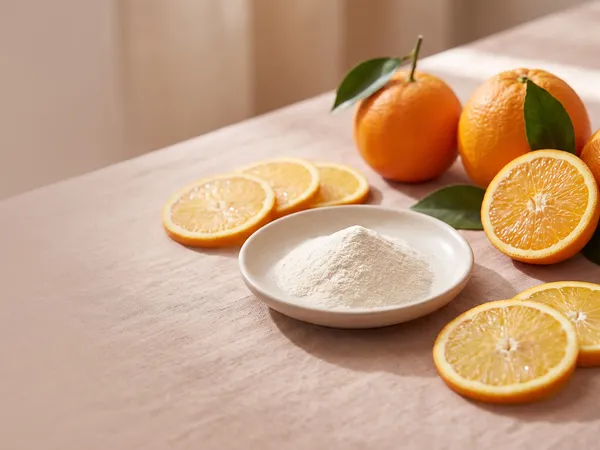
Vitamin C
A brightening, firming antioxidant that promotes collagen production and helps fade dark spots and discoloration
 02 / 04
Ferulic Acid
Protects against pollution, UV exposure, and early signs of aging
 03 / 04
Vitamin B3
Is photo-protective and has anti-inflammatory and brightening benefits
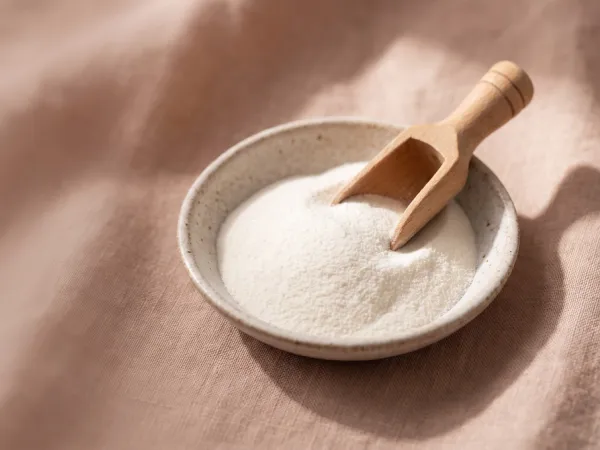 04 / 04
Peptides
Support the production of collagen and promote healthy, younger-looking skin
Usage Guide
How to use Vitamin E?
Lightweight moisturizers, oils, and serums are some of the best ways to incorporate this antioxidant into your daily routine. Always apply to freshly cleansed and dry skin.
When to use Vitamin E?
Vitamin E-enriched skincare products can be used to stave off signs of premature aging, to deliver an extra boost of moisture, and to increase photoprotection of the skin, when used before sunscreen.
What is Vitamin E found in?
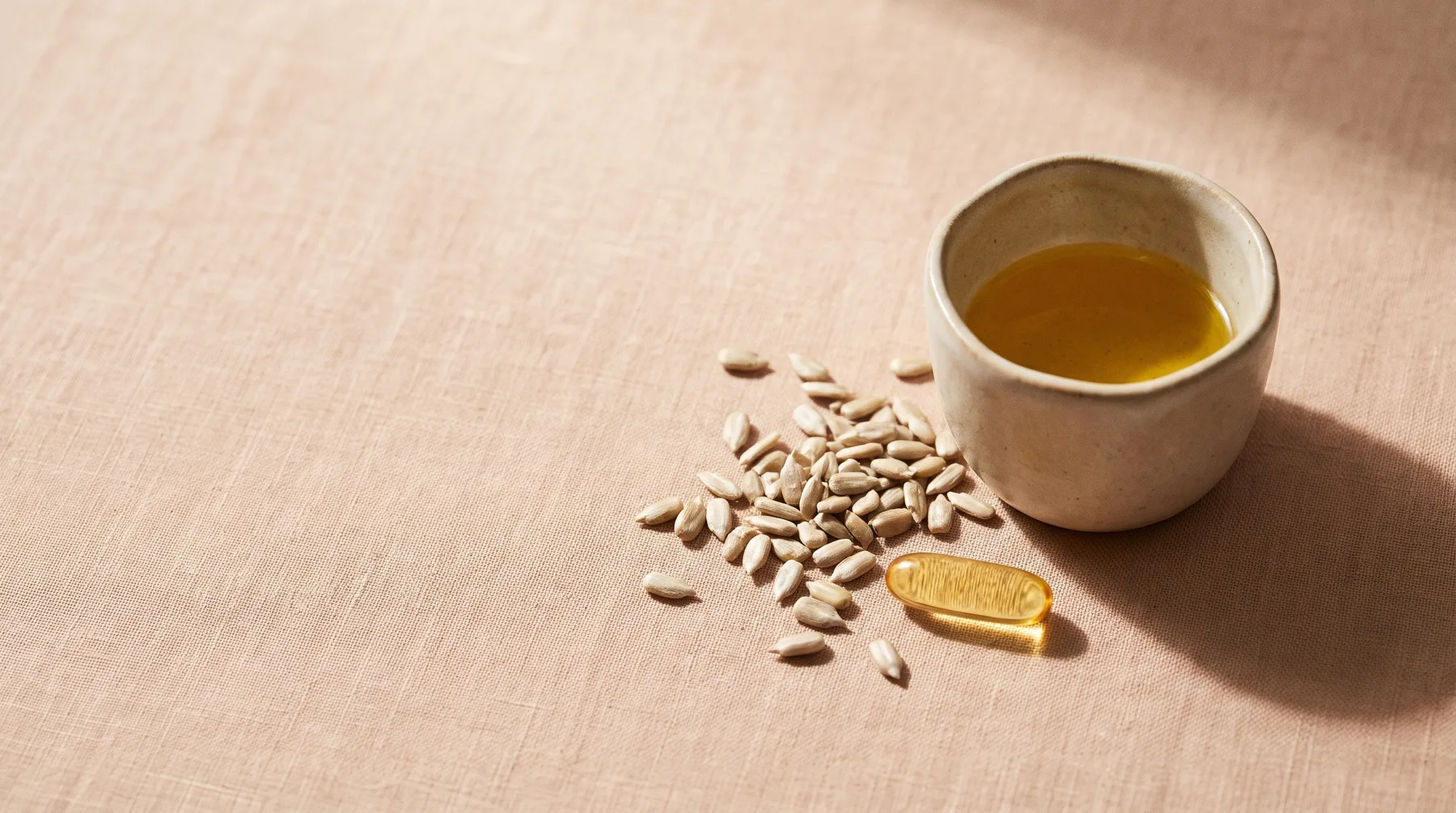
Vitamin E occurs naturally in spinach, pumpkin, rice bran, wheat germ, avocadoes, soybeans,barley, and oils derived from olives, walnuts, coconuts, palms, peanuts, and sunflowers. The tocopherol and tocopheryl acetate used in cosmetics and anti-aging skincare products are synthetically made in laboratories.
Is Vitamin E suitable for sensitive skin?
Generally, most sensitive skin types have no problem with topical Vitamin E. Less than one percent of people are allergic to this antioxidant.
Side effects of Vitamin E
Although rare, undiluted Vitamin E (from capsules) may cause a mild allergic reaction or contact dermatitis when applied directly to the skin, especially around the eyes. Do a pea-sized patch test on your hand to check for redness and itching first.
Ingredients to avoid with Vitamin E
Tocopherol can be formulated with a number of potent skincare actives without the risk of negative interaction.
Find out if you need Vitamin E
PROVEN skincare formulas are personalized to your needs, whether you’re concerned about dark under-eye circles, hyperpigmentation, or wrinkles. Find out if Vitamin E can help your complexion by completing our quick skin quiz.
The PROVEN system
Your personalized system
A cleanser, day moisturizer, and night cream — calibrated to your skin from the 3-step Skin Genome Quiz.
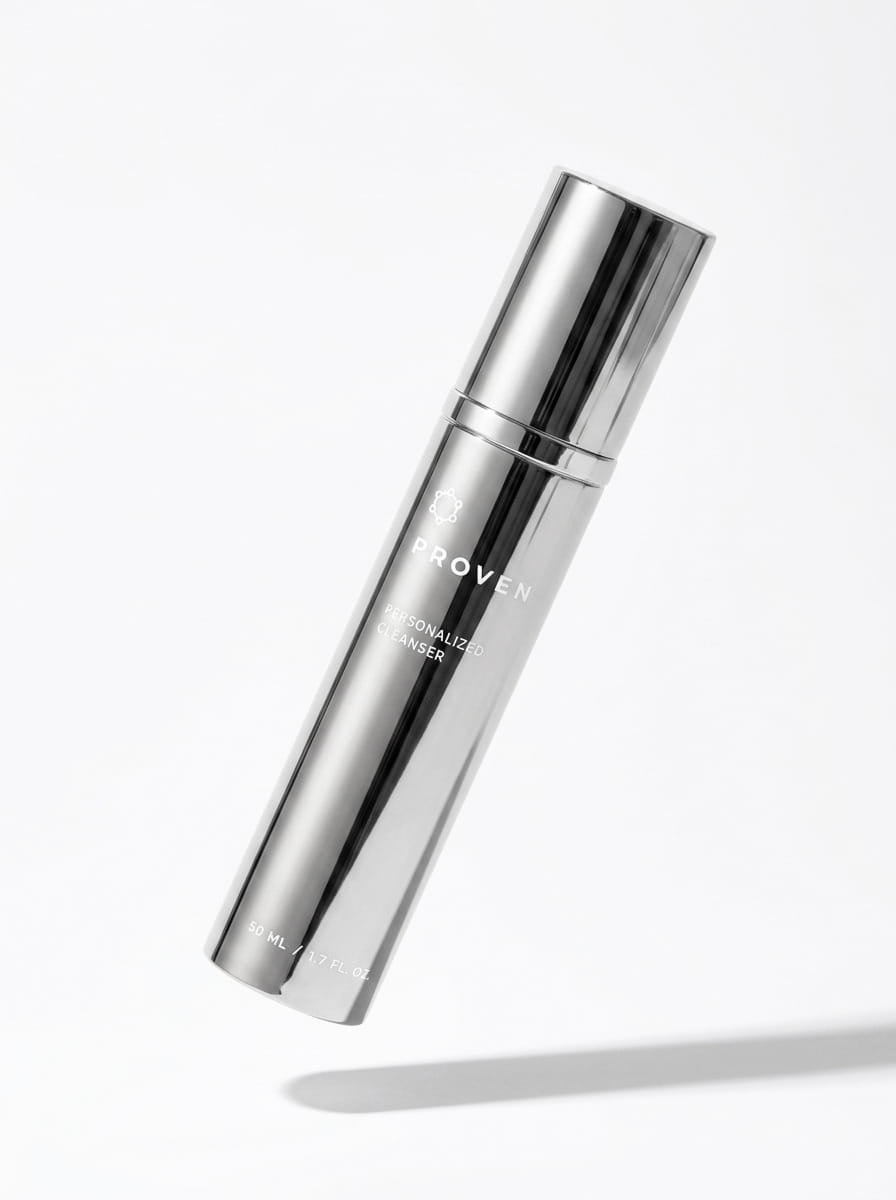
Personalized Cleanser
A gentle wash with exfoliating and toning properties — calibrated to your skin.
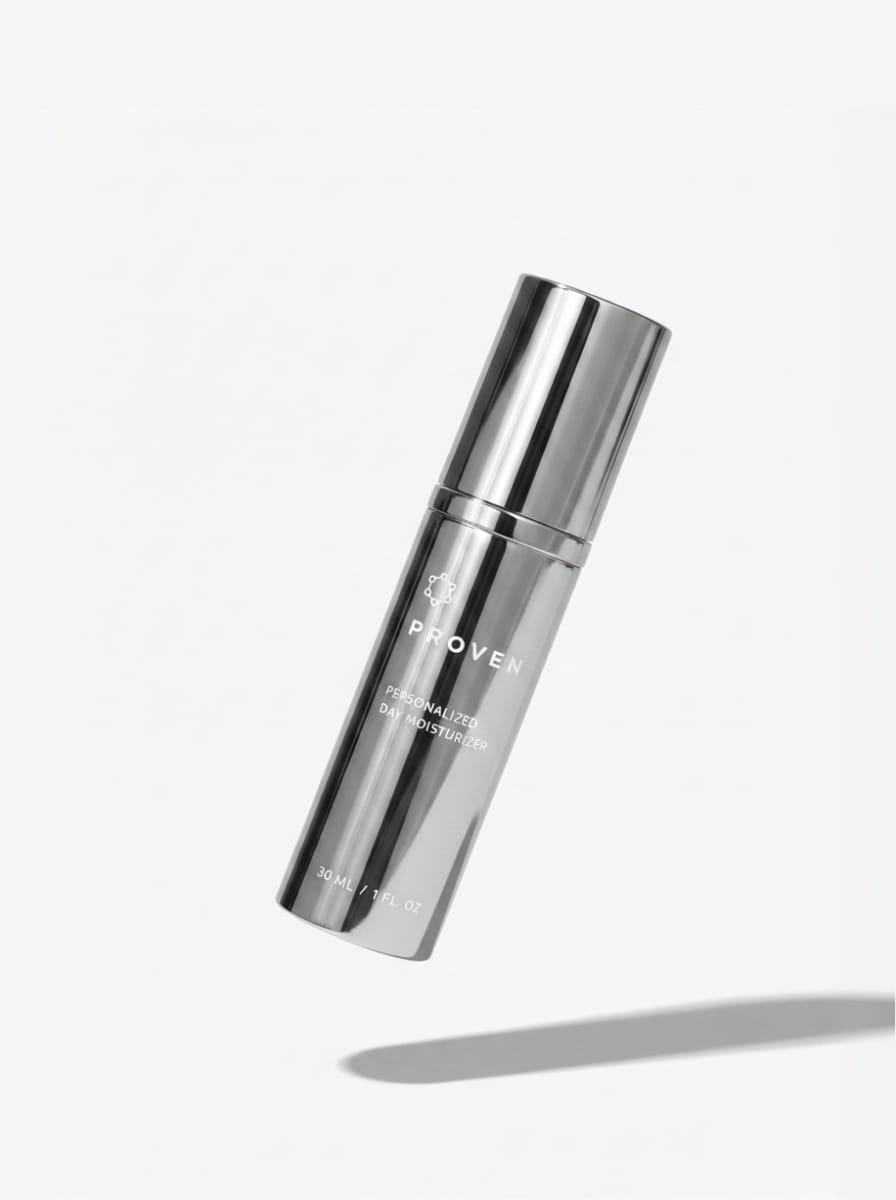
Personalized Day Moisturizer
Lightweight daytime hydration — formulated for your skin.
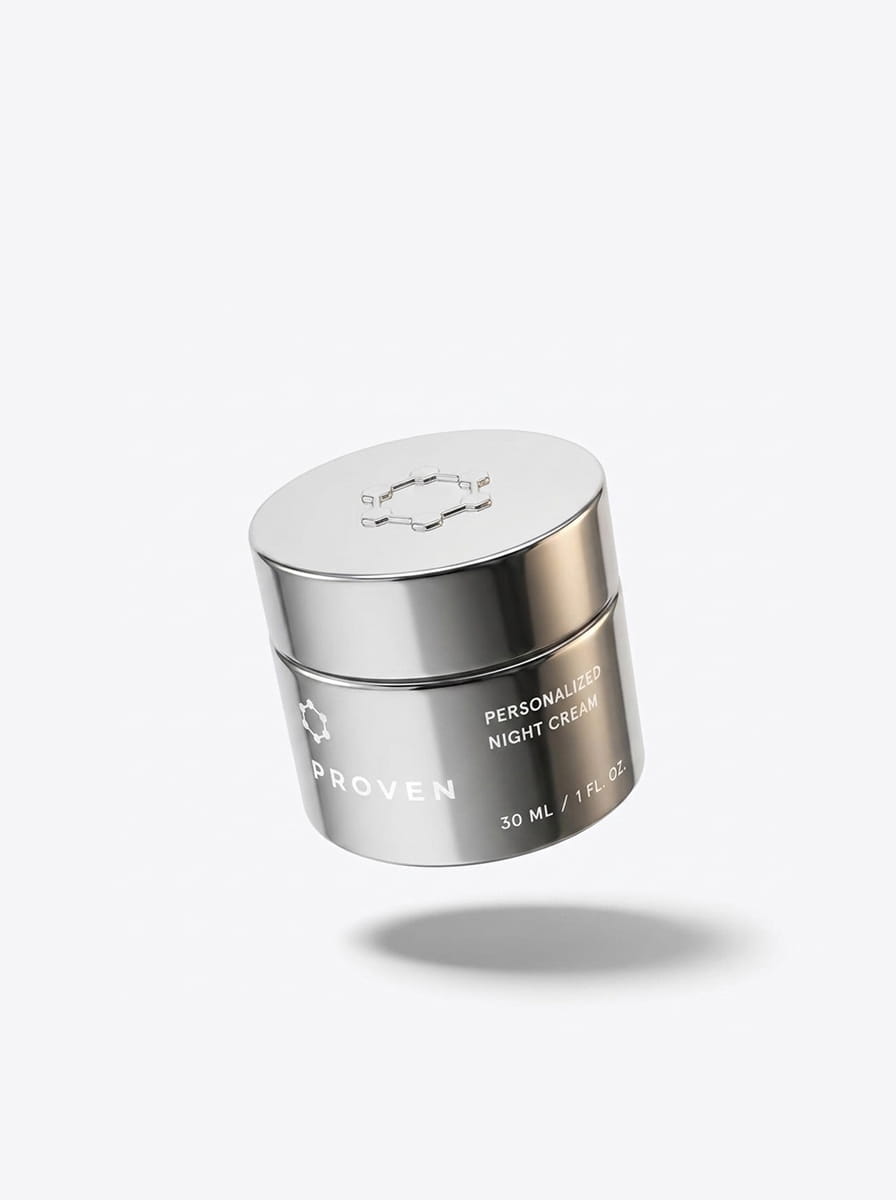
Personalized Night Cream
Overnight repair with the active ingredients your skin needs most.
25% off first order + 15% off subscription bonusTake the 3-min quiz
Clinically proven. Consciously made.
In a 28-day clinical study, 87% noted softer skin, 94% noted smoother skin, and 81% noted a brighter complexion.
Always cruelty-free. Never formulated with phthalates, parabens, SLS, or formaldehyde.
Formulated and filled in an FDA-approved US laboratory. Made stateside, end to end.
Tips for using vitamin E
Simple ways to get the most from your skin’s most abundant antioxidant.
- Layer it under sunscreen Vitamin E helps support your skin’s photoprotection when used before your SPF. It’s a daytime ally, not a replacement for sunscreen.
- Team it with vitamin C Vitamin E pairs beautifully with vitamin C and ferulic acid, a combination chosen for the way these antioxidants reinforce one another.
- Apply to clean, dry skin Lightweight moisturizers, oils, and serums are the easiest ways to work it in. Always apply to freshly cleansed, dry skin.
- Reach for it when dry Vitamin E can deliver up to 16 hours of moisture and improves the skin’s water-binding capacity, making it a genuine boon for dry skin.
- Patch test pure capsules Undiluted vitamin E from capsules can occasionally irritate, especially near the eyes. Do a pea-size patch test on your hand first.
Real results
Real results, real people.
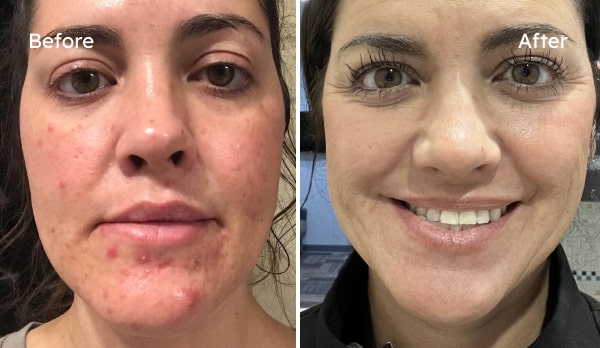
“It’s so clear and I can go without makeup and it looks amazing. I used to be so ashamed to walk around with no makeup, had terrible acne! This has been a game changer for me!”
Persistent inflammatory acne + barrier disruption = gentle sebum balance + barrier rebuild system.
1 of 6