

Helps counter the effect of high stress on your skin. Living with too much stress ramps up your body's production of cortisol—and wreaks havoc on your skin.
INGREDIENT
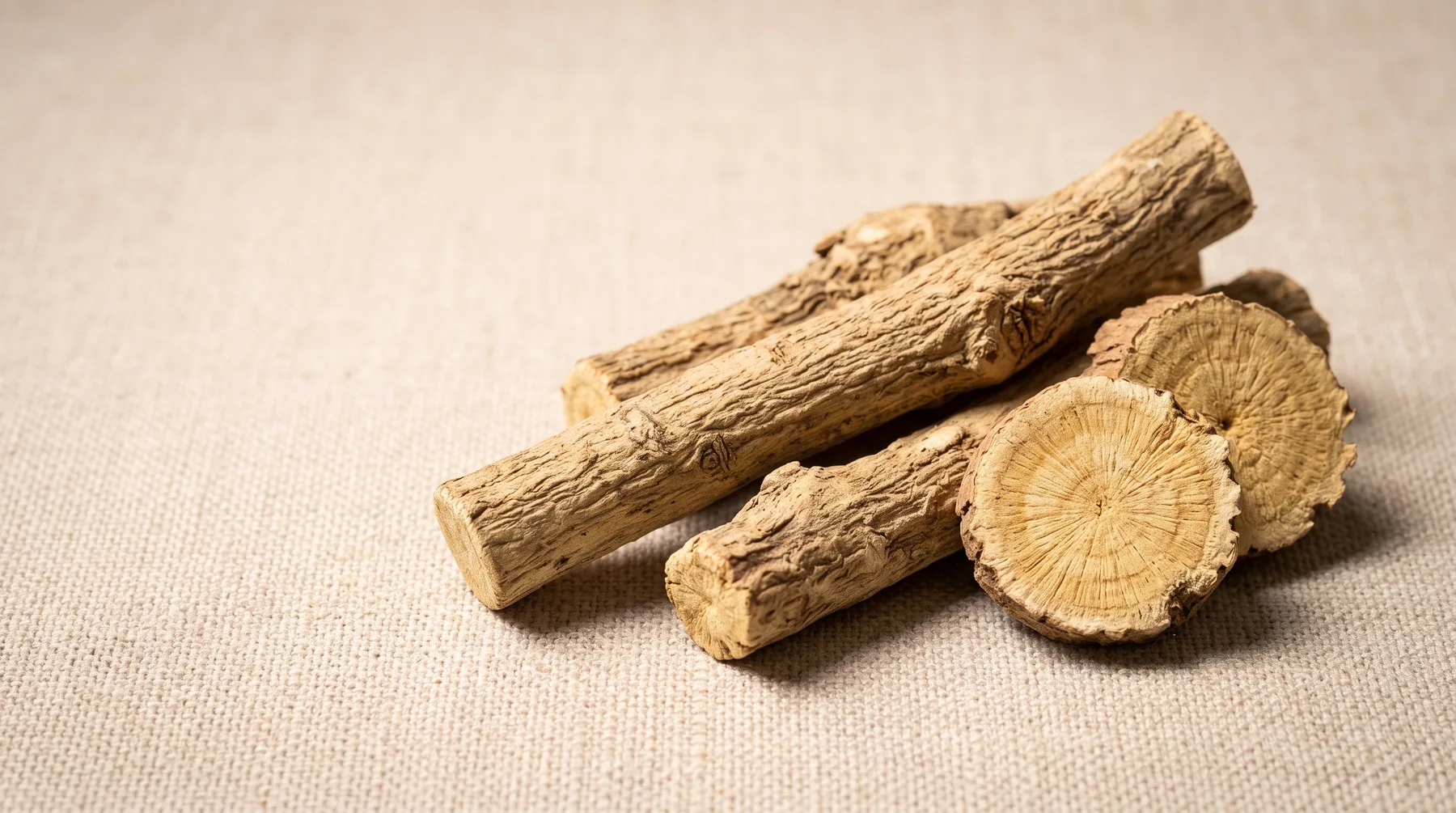
Licorice Root Extract for Skin
Licorice root extract is renowned for its antioxidant protection, anti-inflammatory activity, as well as the ability to fade dark spots and neutralize free radicals that damage skin.
- 4.7 ★50,000+ reviews
- Clinically proven28-day independent study
- MIT AI IdolTechnology of the year
- 2 U.S. patentsPersonalization first
What is licorice root extract?
Licorice root has been used as an herbal remedy and antidote for thousands of years,particularly in traditional Chinese medicine. The extract is derived from the roots or rhizomes ofthe Glycyrrhiza glabra, a plant species related to peas, beans, and legumes. The extract containsover 300 antioxidants and compounds, including glycyrrhizin, which gives the root its characteristic sweet taste. This root has been praised for several millennia for its therapeutic effects in treating everything from stomach ulcers and sunburns to skin irritation.
What are the benefits of licorice root extract?
A powerful anti-inflammatory, licorice root extract helps to soothe [atopic dermatitis](https://pubmed.ncbi.nlm.nih.gov/14522625/ and psoriasis. It is packed with a variety of potent compounds, including glycyrrhizin and glabridin. They protect the skin from UV damage and prevent tyrosinase enzyme production-- whichcombats dark spots and hyperpigmentation. In addition, it contains liquiritin, which dispersesexisting melanin, for an overall skin brightening effect. Another active molecule, licochalcone A,is reputed to fortify the skin’s defense mechanisms and control sebum production to reduceacne breakouts. Finally, the extract fights oxidative stress, which can halt signs of prematureaging.
Helps with these skin concerns
Licorice root extract helps with the following skin concerns
Licorice root extract helps with these skin types
Dry Skin
It is used to treat skin conditions like eczema and acne.
Normal Skin
It has offers skin lightening properties and offers anti-aging benefits.
Helps with these environmental & lifestyle factors
Keeps your skin healthy even if you spend a lot of time in the sun. The sun's heat dries out areas of unprotected skin and ultraviolet (UV) radiation can cause burning and photoaging.
Helps fight the effects of pollution on your skin. Polluted air contains small nanoparticles which cause premature aging. Clinical studies show that people with low pollution exposure levels have brighter, healthier, more radiant looking skin.
Calibrated for every age
It refines the skin, making it smoother, creating a more even skin tone, a brighter appearance, and gives you radiant skin from within.
It is a perfect fit to address the primary skin care concerns for people in their 20s and early 30s. Make it a part of your regular skin care routine for healthy, beautiful skin.
This is a great time to make it a part of your skincare routine as you start thinking about incorporating more ingredients with anti-aging benefits.
It is a great bet for consistent, everyday incorporation in your skincare routine as it not only will tighten up your anti-aging regimen but also help you achieve firmer, more youthful skin.
As skin matures, it tends to lose hydration and feel dry. This helps hydrate and plump the skin, reducing the appearance of fine lines and wrinkles.
Works well with these other ingredients
Licorice root extract works well with complementary skin brightening actives, such as niacinamide (Vitamin B) and Vitamin C. It also pairs nicely with green tea extract, glycerin, Coenzyme Q10, and exfoliating AHAs.
 01 / 05Key active
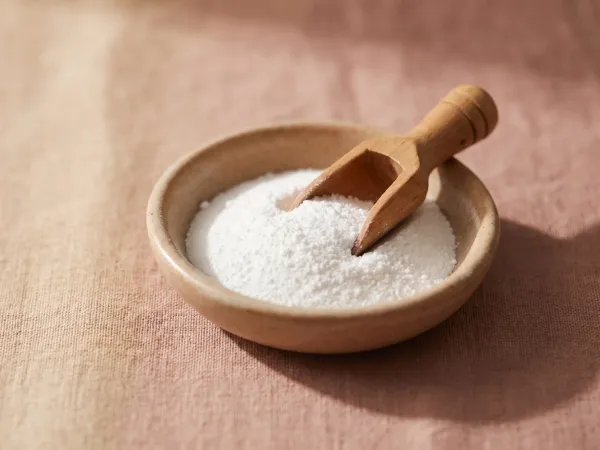
Niacinamide
Reduces the size of pores, redness and dark spots
 02 / 05
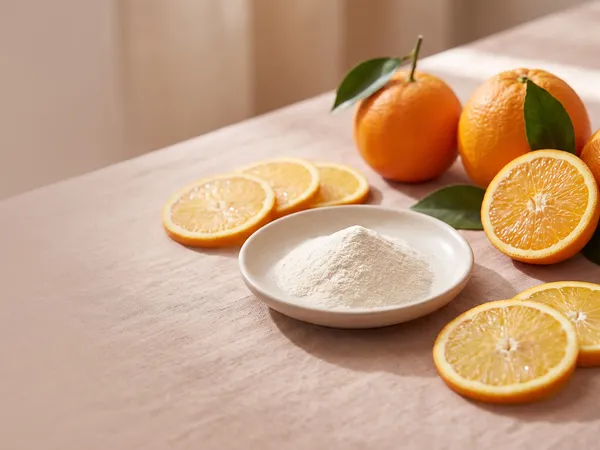
Vitamin C
A brightening, firming antioxidant that promotes collagen production and helps fade dark spots and discoloration
 03 / 05
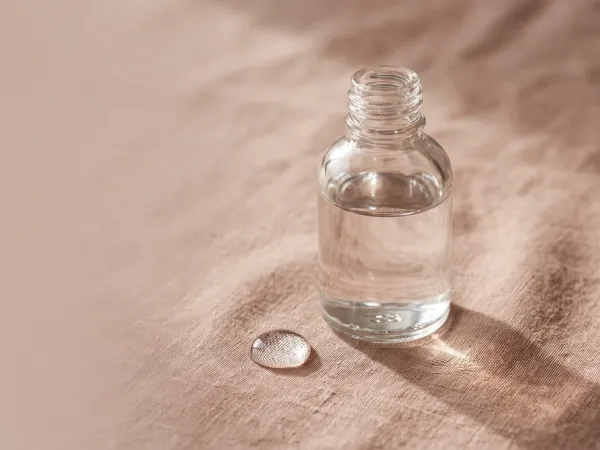
Glycerin
A plant-based humectant that hydrates, moisturizes and soothes the skin barrier
 04 / 05
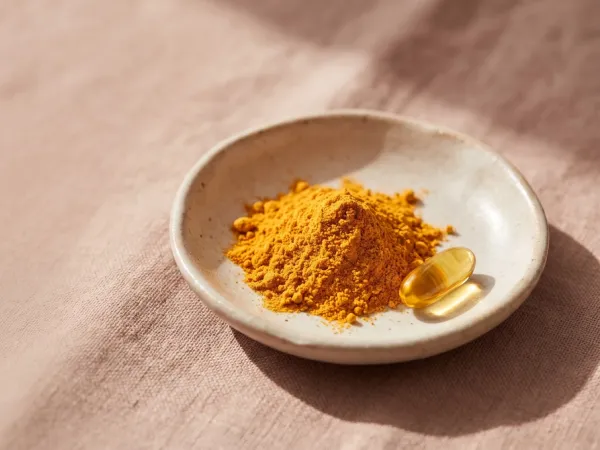
Ubiquinone
1A powerful antioxidant, helps prevent free radical damage that causes wrinkles and dry skin
 05 / 05
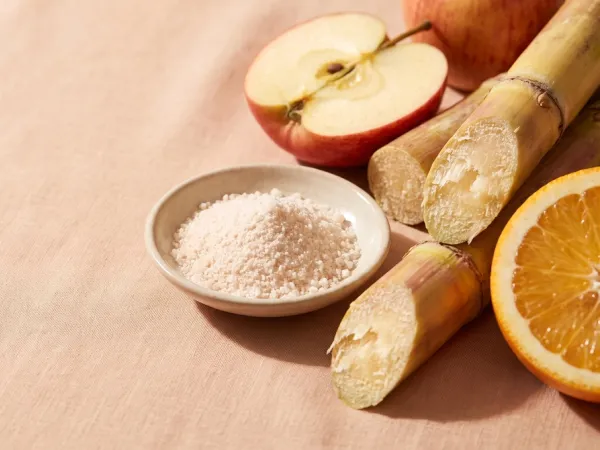
AHA
An exfoliant that helps unclog pores, get rid of dead skin cells and speed up cell turnover for an even skin tone
Usage guide
How to use licorice root extract?
Licorice root extract can be used in skincare products formulated to brighten skin tone, combat age spots or melasma, or as a moisturizing antioxidant serum. To fully protect your skin from UV radiation, and maintain the benefits of licorice extract, always apply a broad-spectrum sunscreen afterward.
When to use licorice root extract?
You can safely use licorice root extract to improve a range of skin conditions and concerns such as dull skin, eczema, acne, and oily skin, hyperpigmentation, melasma, and rosacea. Thanks to its licochalcone content, it’s ideal for alleviating red, irritated skin.
What is licorice root extract found in?
This multi-tasking active is often used in brightening serums, sheet masks, moisturizers, spottreatments, and acne-fighting gels.
Is licorice root extract suitable for sensitive skin?
Yes, licorice root has anti-inflammatory effects and is suitable for sensitive skin. Clinical studiesshow that the extract yields significant improvements in erythema (skin redness) and rosacea-prone skin.
Things to keep in mind
Licorice root extract side effects
Topical application of licorice extract seldom produces adverse side effects. It can be irritating in rare cases, so if you are new to this ingredient, it’s advisable to do a small patch test first and check other product actives if an allergic reaction occurs.
Ingredients to avoid with licorice root extract
Do not layer licorice root extract with hydroquinone or highly concentrated retinoids, as this can have an irritating effect.
Find out if you need licorice root extract
Can licorice root extract improve the health and radiance of your skin? Take the PROVENskin quiz to determine if this natural skin brightening compound is a good match for your concernsand current lifestyle.
The PROVEN system
Your personalized system
A cleanser, day moisturizer, and night cream — calibrated to your skin from the 3-step Skin Genome Quiz.
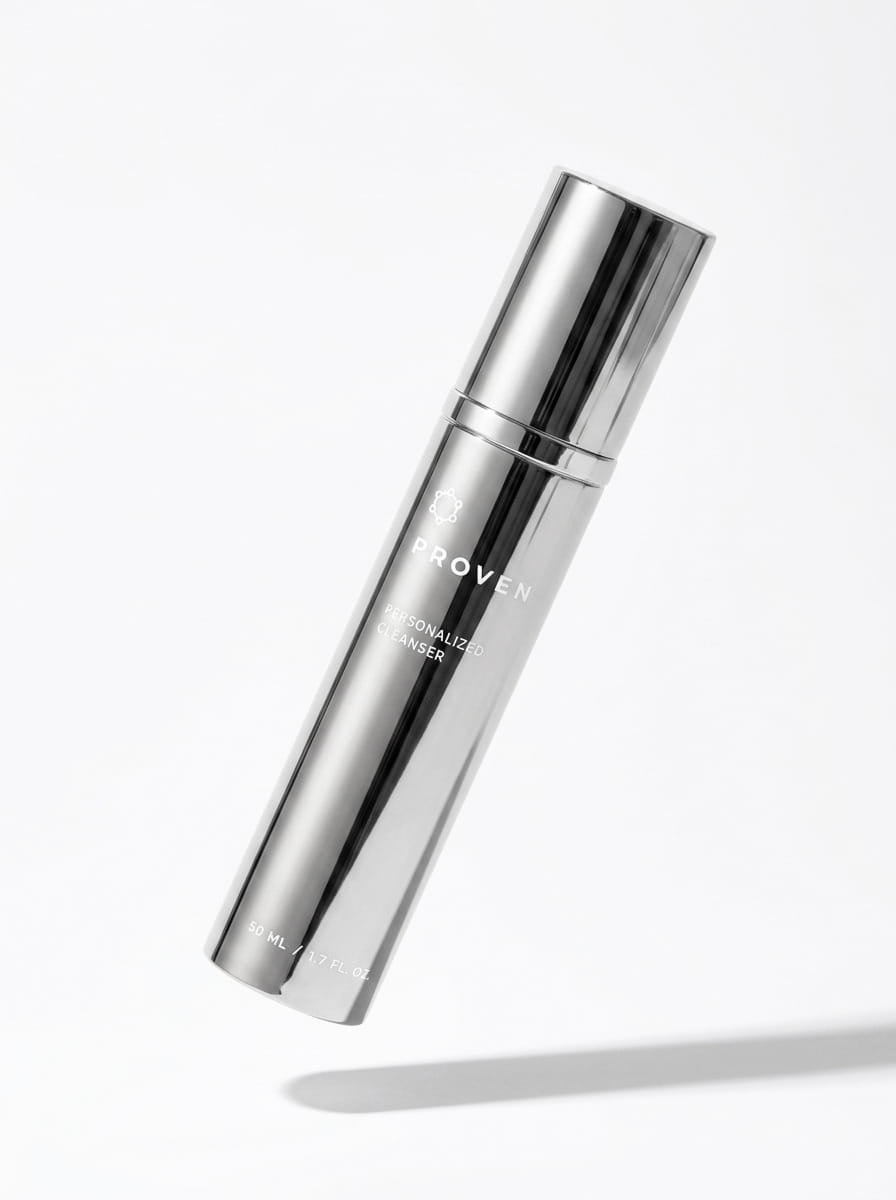
Personalized Cleanser
A gentle wash with exfoliating and toning properties — calibrated to your skin.
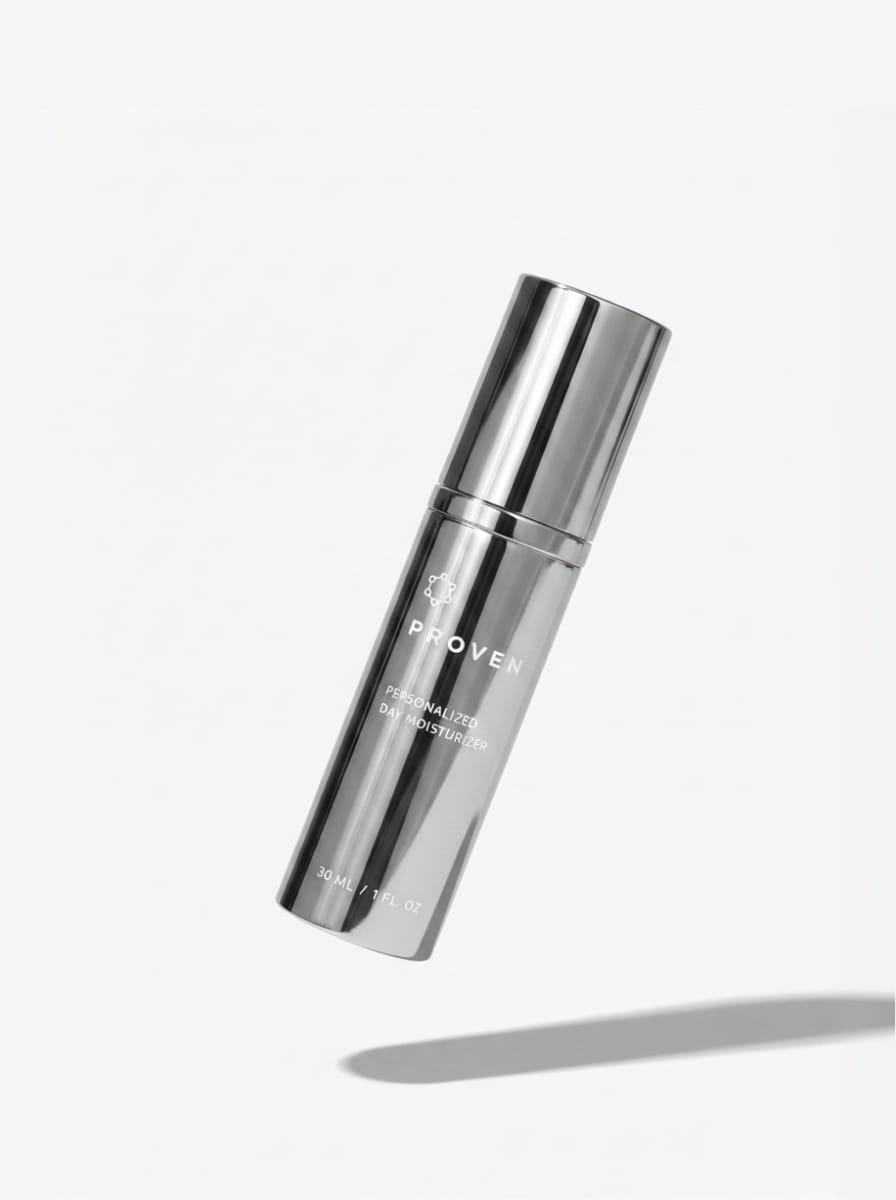
Personalized Day Moisturizer
Lightweight daytime hydration — formulated for your skin.
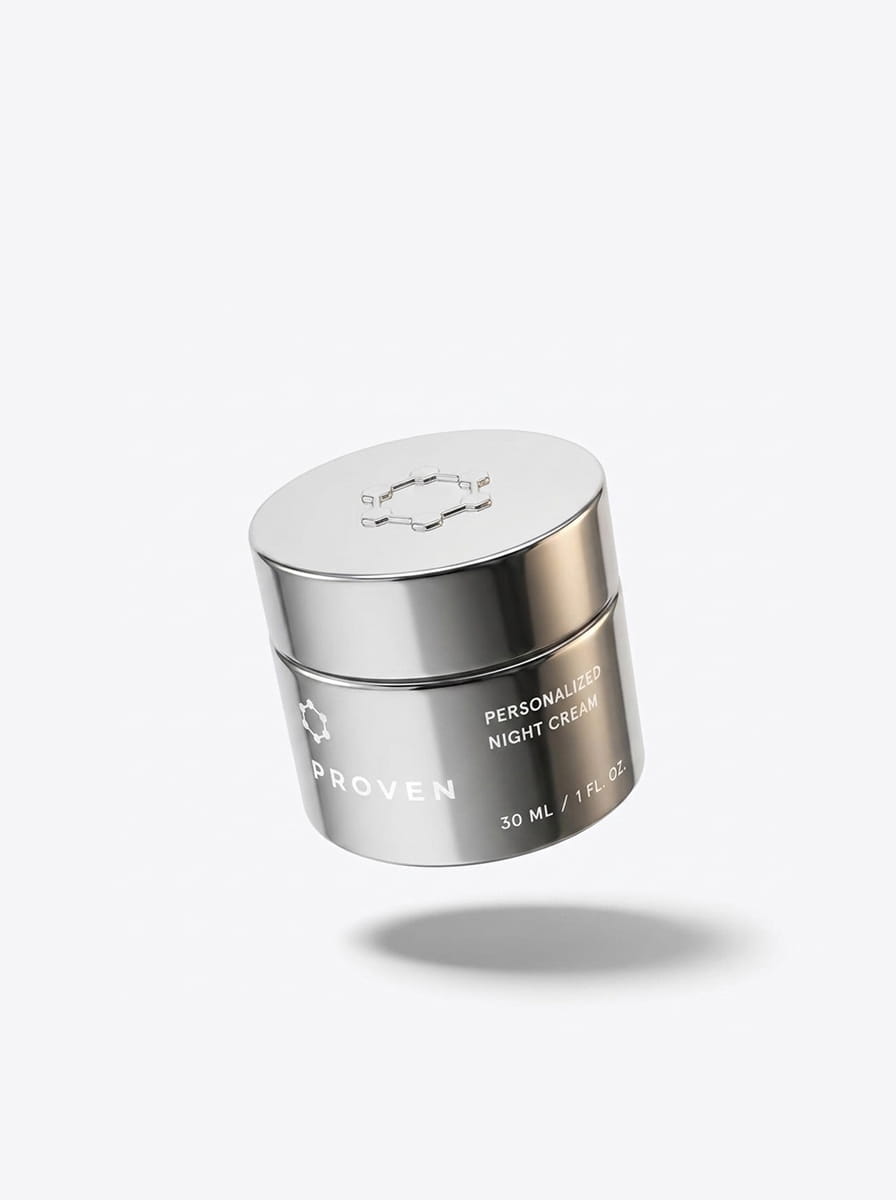
Personalized Night Cream
Overnight repair with the active ingredients your skin needs most.
25% off first order + 15% off subscription bonusTake the 3-min quiz
Clinically proven. Consciously made.
In a 28-day clinical study, 87% noted softer skin, 94% noted smoother skin, and 81% noted a brighter complexion.
Always cruelty-free. Never formulated with phthalates, parabens, SLS, or formaldehyde.
Formulated and filled in an FDA-approved US laboratory. Made stateside, end to end.
Getting the most from licorice root extract
A brightening, calming antioxidant works best when the rest of your routine works with it — here’s how to help licorice root extract do its job.
- Pair it with a brightener Layered with niacinamide or vitamin C, licorice root extract compounds their work on dark spots. Together they’re designed to address uneven tone more thoroughly than any single active can alone.
- Protect what you brighten Licorice root extract helps support a more even tone, but unprotected sun exposure brings hyperpigmentation right back. Daily SPF keeps the progress you’ve made from unraveling.
- Give it a few weeks Fading happens gradually, not overnight. Use it consistently and the change shows up over weeks, the way real skin change actually works.
- Skip the harsh pairings Keep licorice root extract away from hydroquinone and high-concentration retinoids, which can cancel out its calming benefit and leave skin irritated. It layers comfortably with gentler company: glycerin, CoQ10, and AHAs.
- Patch-test first It’s gentle enough for sensitive skin and helps soothe redness, but every complexion responds a little differently. Test a small area for a day before working it into your routine.
Real results
Real results, real people.
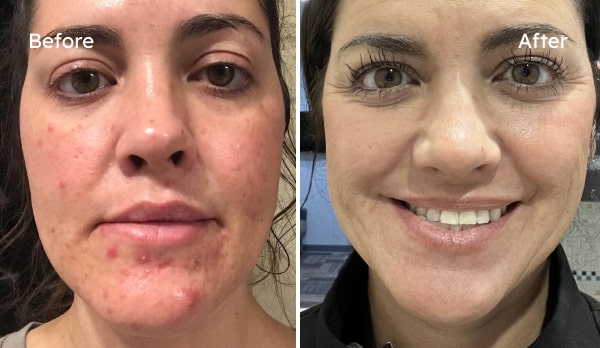
“It’s so clear and I can go without makeup and it looks amazing. I used to be so ashamed to walk around with no makeup, had terrible acne! This has been a game changer for me!”
Persistent inflammatory acne + barrier disruption = gentle sebum balance + barrier rebuild system.
1 of 6
Build your own personalized formula
Take the quizNeed more help? Email care@provenskincare.com